Sukumaram Ghritham is recorded in the Sahasrayogam among the ghee preparations and listed in the Ayurvedic Formulary of India at Part I, 6:44. It is the sweet member of the classical ghee family, and its name says as much.
Sukumara: the tender one
Sukumara means tender, soft, delicate. In classical usage the word describes a constitution or a person of fine build, and a formula carrying the name is understood as the gentle one of its group. The classical texts use such names as markers within a tradition rather than as descriptions of effect.
What the classical formula contains
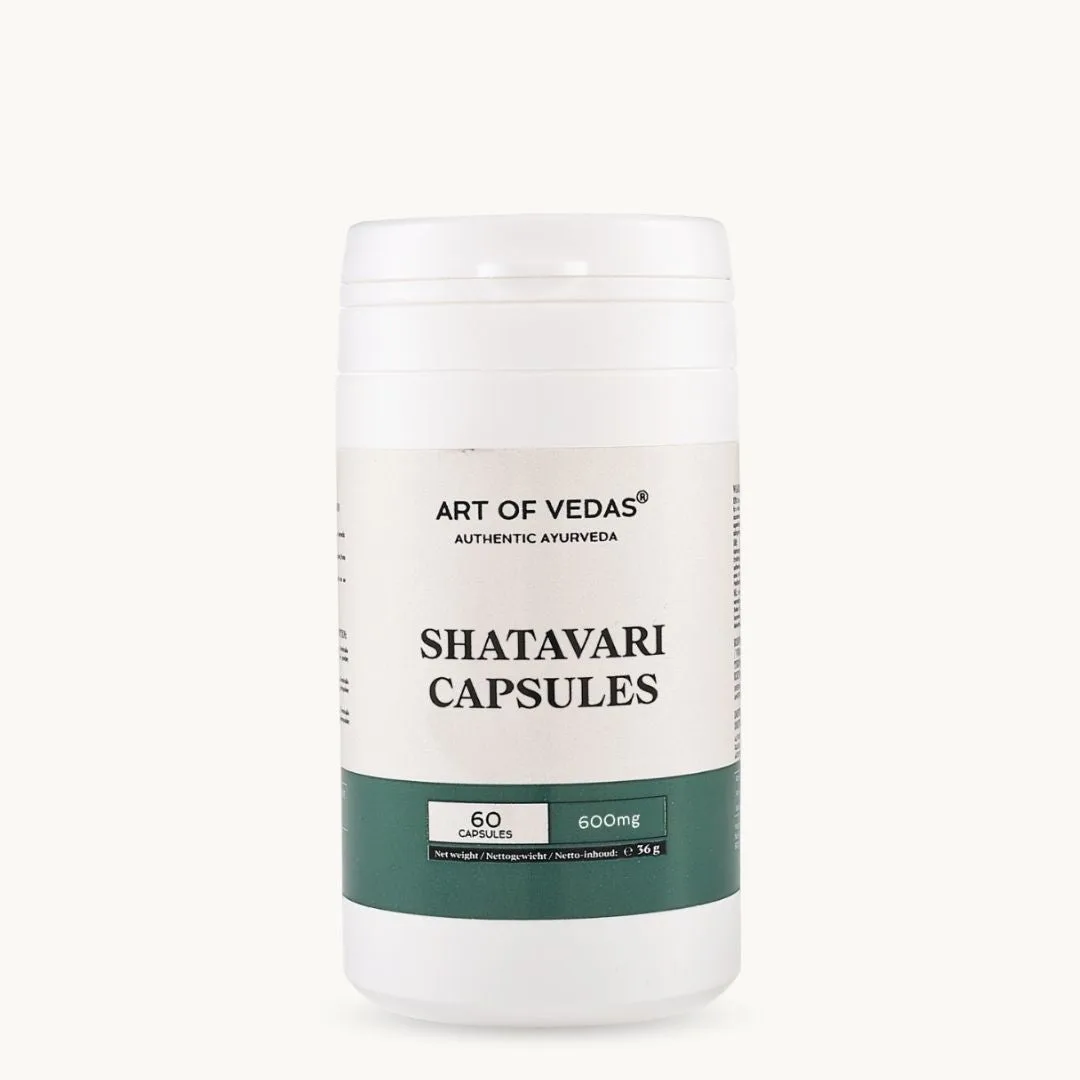
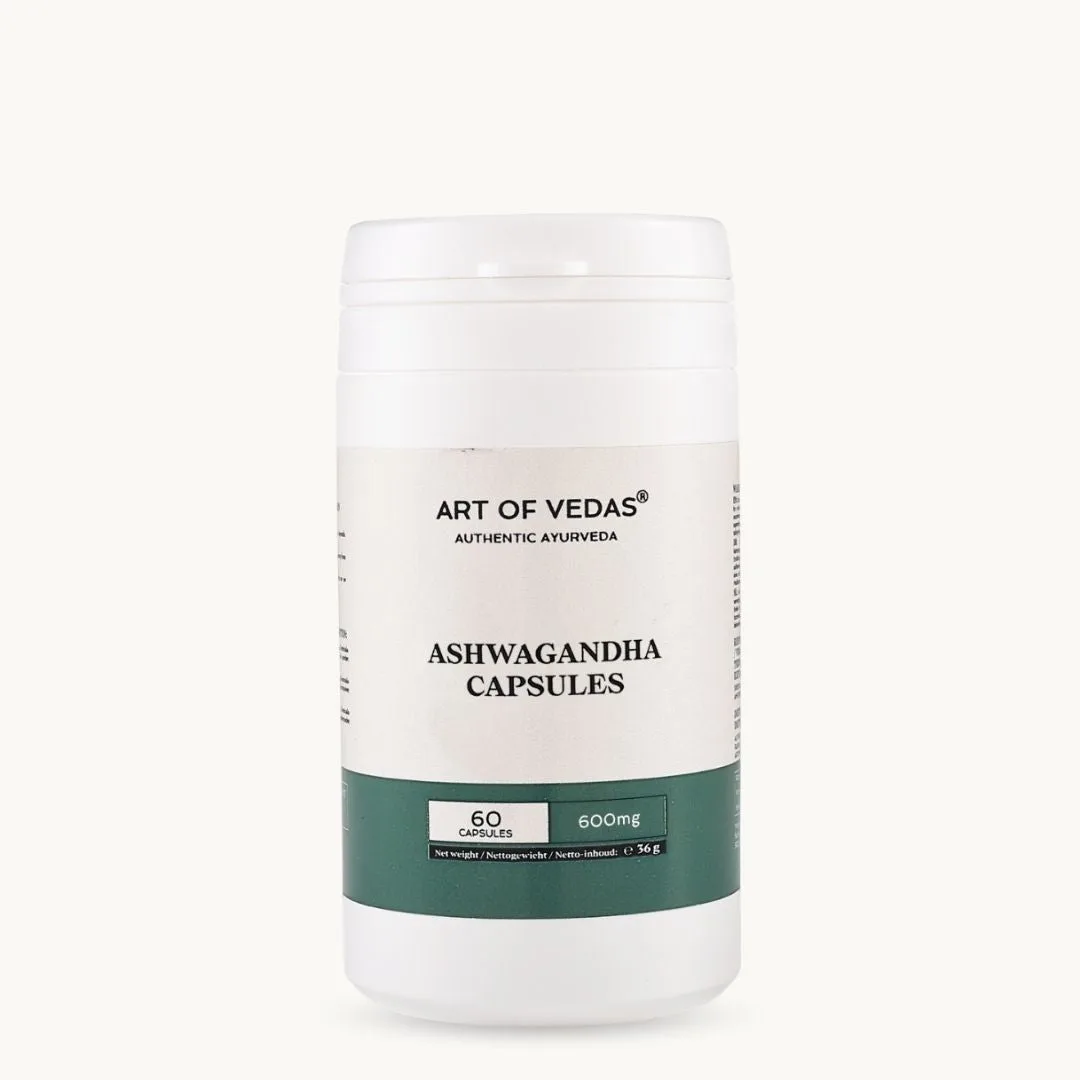
The classical Sukumaram is a large formula. The formulation literature builds it on a decoction with milk, with a long list of herbs in the paste, and the sweetening element is characteristic rather than incidental. Among the constants are Shatavari and Ashwagandha, the two roots the tradition treats as its strengthening pair, with liquorice and raisin contributing the sweet character.
The Art of Vedas Sukumaram Ghritham is a simple ghee in this tradition: ghee and milk with jaggery, Ashwagandha, Shatavari, liquorice and raisin, rounded with cumin, ginger, long pepper and rock salt. The label is the authoritative ingredient list, and the jar is not a reconstruction of the full classical formula.
Why sweetness is a classification, not a flavour note
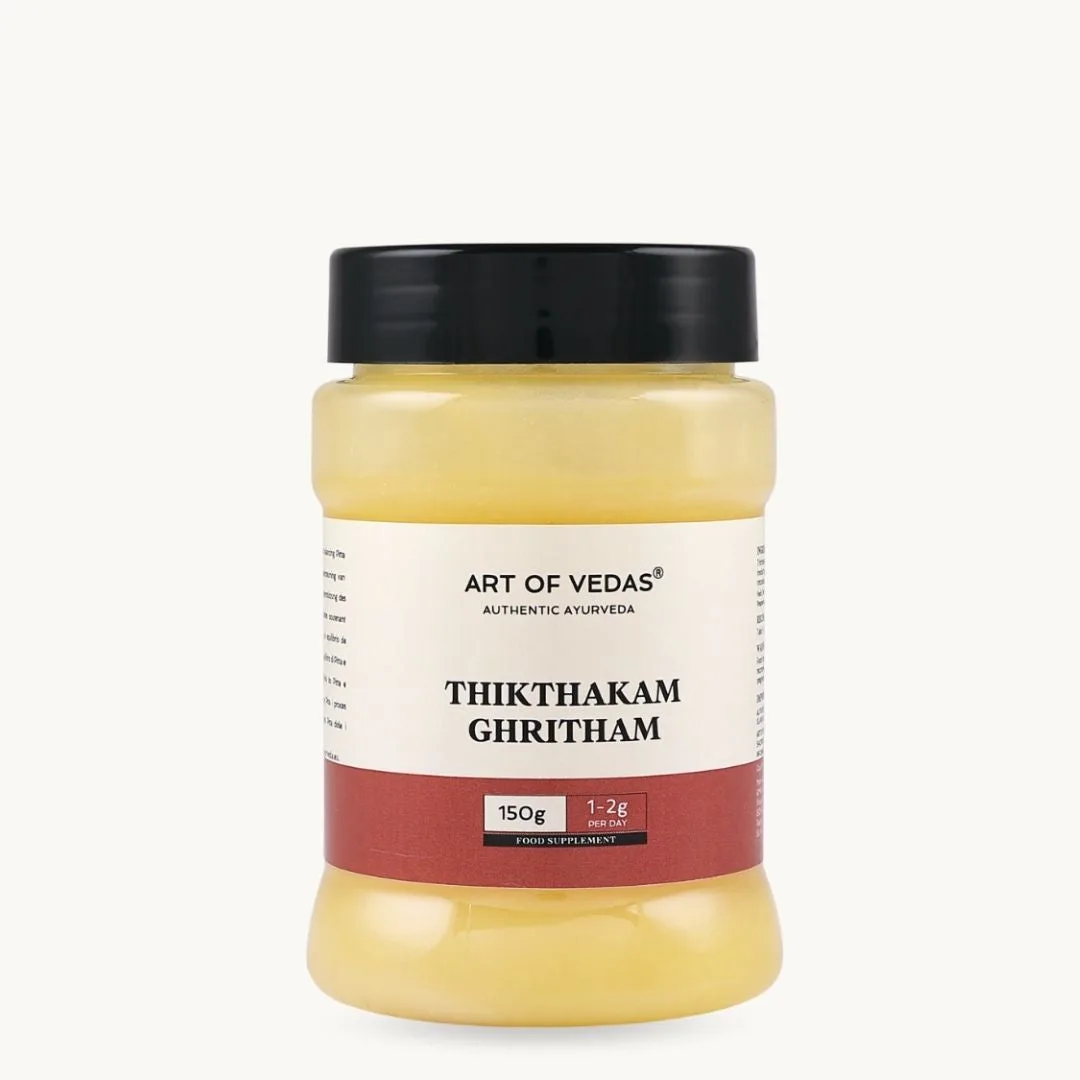
Madhura, the sweet taste, is one of the six Rasas of the classical scheme, and the texts associate it with substances described as building rather than reducing. A ghee whose paste carries Shatavari, liquorice and raisin is classified as Madhura-dominant, which is how the literature positions it against a bitter ghee such as Thikthakam Ghritham. The range comparison places the family side by side.
Frequently Asked Questions
Which text records Sukumaram Ghritham?
The Sahasrayogam, in its ghee chapter, and the Ayurvedic Formulary of India at Part I, 6:44.
What does the name mean?
Sukumara means tender or delicate. It marks the formula as the gentle one of its group; it is not a statement of effect.
Does this jar contain liquorice?
Yes. Liquorice is part of the formula, and the label carries the usual advice to avoid excessive intake if you have high blood pressure.
This article is for educational purposes and describes the classical Ayurvedic record. The products mentioned are food supplements, not a substitute for a varied, balanced diet, and are not intended to diagnose, treat, cure or prevent any disease. Take classical ghee preparations under the guidance of a qualified Ayurvedic practitioner.