Why Ayurvedic Treatments Belong in a Spa Setting
Ayurveda offers spa operators something that most conventional treatment menus lack: a coherent system. Where typical spa menus are collections of unrelated treatments from different traditions, Ayurvedic treatments connect to each other through a unified framework of constitutional assessment, complementary therapies, and progressive treatment protocols.
This systematic approach gives guests a reason to return. A single Abhyanga (traditional warm oil body massage) is pleasant; a structured sequence of Abhyanga, Shirodhara, and dietary guidance creates a transformative experience that builds loyalty and increases per-visit revenue.
The European spa market has matured beyond basic relaxation. Guests increasingly seek treatments with genuine tradition, clear methodology, and visible expertise. Ayurvedic treatments meet all three criteria when implemented authentically.
Designing an Authentic Ayurvedic Spa Menu
An authentic Ayurvedic spa menu is not a rebranding exercise. Calling a standard Swedish massage "Abhyanga" or dripping warm oil on a forehead without proper technique does not constitute Ayurvedic treatment. Guests who have experienced authentic Ayurveda will notice the difference, and online reviews will reflect it.
Authenticity starts with three foundations: trained therapists, quality products, and classical treatment protocols. Without all three, the menu is Ayurvedic in name only.
Foundation Treatments
Build your Ayurvedic menu around treatments that are distinct from your existing offerings and deliverable with your current team size.
- Abhyanga: the warm oil full-body massage; this is the gateway treatment for most guests; it differs from Western massage in its use of warm medicated oil, long flowing strokes, and constitutional oil selection; duration: 60-90 minutes
- Shirodhara: the continuous stream of warm oil on the forehead; this is the signature Ayurvedic treatment that most guests recognise visually; it creates a distinctive experience unavailable in non-Ayurvedic settings; duration: 30-45 minutes (often combined with Abhyanga)
- Udvartana: dry herbal powder massage; an excellent complement to oil-based treatments, offering variety and addressing guests who prefer non-oil options; duration: 45-60 minutes
- Kizhi: warm herbal bolus massage; the visual and tactile experience of herbal boluses is unique and memorable; can be offered as full-body or localised treatments; duration: 45-60 minutes
- Mukha Abhyanga: Ayurvedic facial treatment using medicated oils and marma point therapy; fills the facial treatment slot on your menu with an Ayurvedic alternative; duration: 45-60 minutes
Signature Combinations
Combination treatments create higher-value offerings and showcase the systematic nature of Ayurvedic therapy. These packages also differentiate your spa from competitors who offer only single treatments.
- Abhyanga + Shirodhara (90-120 minutes): the classic pairing; full-body oil massage followed by forehead oil stream; this is the most popular Ayurvedic spa combination worldwide and the treatment most guests will request by name
- Udvartana + Abhyanga (90-120 minutes): stimulating dry powder massage followed by nourishing oil massage; a complementary sequence that addresses both lightness and nourishment
- Abhyanga + Kizhi + Steam (120-150 minutes): the classical Panchakarma preparatory sequence adapted for spa use; oil massage, herbal bolus therapy, and steam therapy in sequence
- Full Panchakarma Day (3-4 hours): a premium offering combining Abhyanga, Kizhi, Shirodhara, steam, and rest with herbal tea; positions your spa at the top of the market
Dosha-Based Menu Structure
One of Ayurveda's most accessible concepts for guests is the Dosha system. Organising part of your menu around constitutional types creates an engaging selection process and demonstrates the personalised nature of Ayurvedic treatment.
How to Implement Dosha Selection
Offer a brief constitutional assessment at booking or check-in. This need not be a full Ayurvedic consultation. A simple questionnaire covering basic constitutional tendencies (warm/cold preference, skin type, energy patterns, digestion) allows the therapist to select the appropriate oil and adjust treatment parameters.
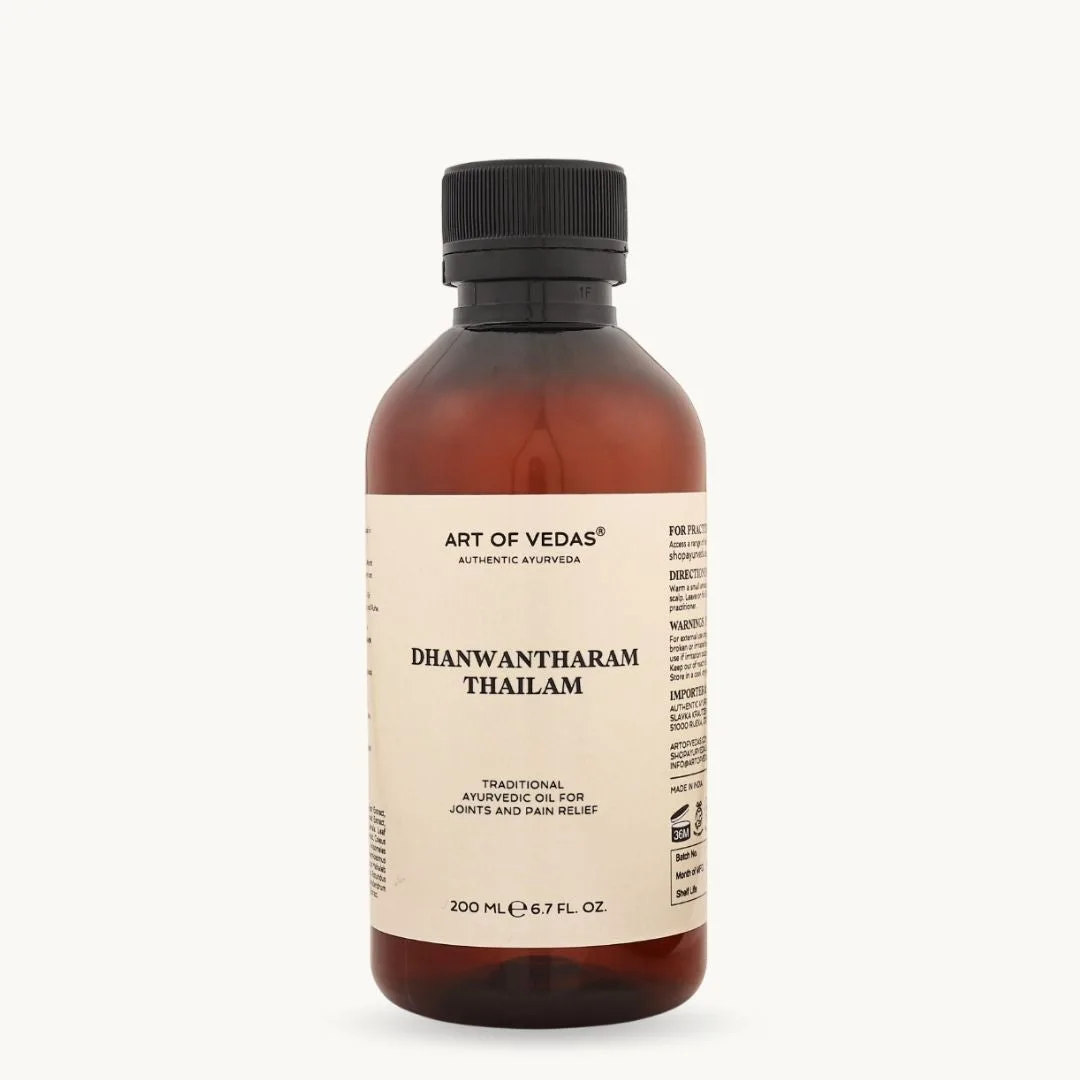
- Vata programme: warming oils (Dhanwantharam Thailam, Balashwagandhadi Thailam), slower pace, firm grounding strokes, warm room, longer duration
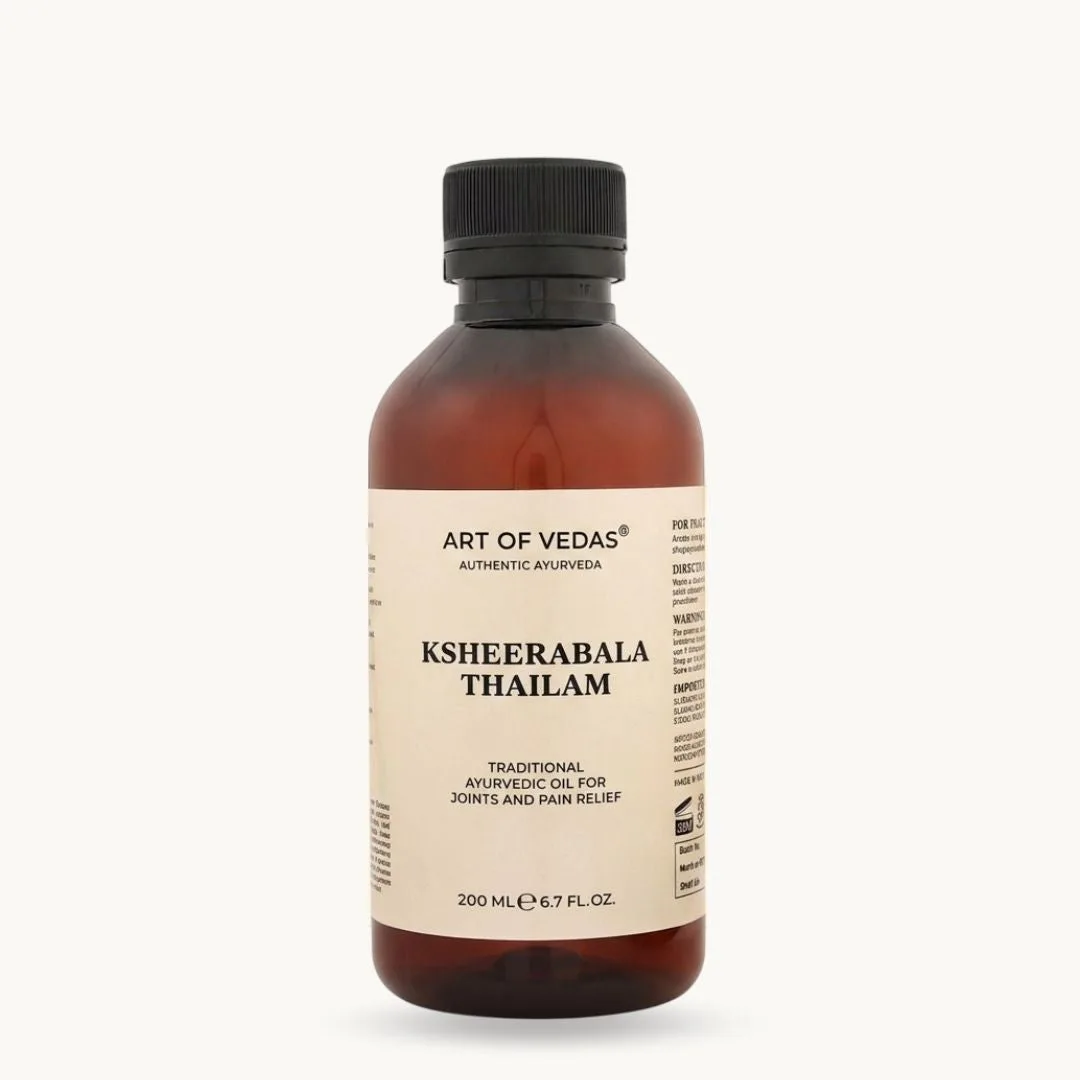
- Pitta programme: cooling oils (Ksheerabala Thailam, coconut-based preparations), moderate pace, soothing strokes, comfortable room temperature
- Kapha programme: stimulating approach with Udvartana or lighter oils, more vigorous strokes, inclusion of dry treatments, energising herbal selections
This personalisation adds perceived value without significantly increasing treatment time. The oil selection and technique adjustments happen within the standard treatment framework.
Staffing and Training
The quality of your Ayurvedic menu depends entirely on your therapists. No amount of beautiful treatment rooms or premium products compensates for poorly trained hands.
Training Requirements
- Abhyanga: minimum 40 hours of supervised practical training in traditional Ayurvedic oil massage technique; this is not equivalent to standard massage training, as the stroke patterns, oil application, and Marma (vital point) awareness are specific to Ayurveda
- Shirodhara: specific training in equipment setup, oil temperature management, flow rate calibration, and client comfort; common errors (inconsistent flow, wrong oil temperature, poor head positioning) are immediately apparent to the guest
- Kizhi: hands-on training in bolus preparation, temperature management, and rhythmic application under supervision
- Constitutional assessment: basic Dosha recognition training enables therapists to make informed oil and technique choices
Invest in ongoing training. Send therapists to workshops, bring in guest trainers, and build a culture of skill refinement. The Ayurvedic tradition values the skill of the practitioner's hands as the primary therapeutic instrument.
Staffing Models
Most Ayurvedic spa treatments require a single therapist. Two-therapist synchronised Abhyanga is a premium offering that doubles the labour cost but creates a distinctive experience. Pizhichil requires two therapists plus an oil assistant, making it viable only for high-end properties with dedicated Ayurvedic programmes.
Consider your staffing model when designing the menu. A menu that promises four-handed treatments or Pizhichil but cannot deliver them consistently due to staffing gaps damages credibility more than not offering them at all.
Product Selection for Spa Use
Spa-grade Ayurvedic products must meet two standards simultaneously: classical authenticity and EU regulatory compliance. Both are non-negotiable.
- All oils applied to guest skin must comply with EU Cosmetic Product Regulation (EC 1223/2009)
- Products must carry proper labelling including INCI ingredients, batch number, and expiry date
- Medicated Thailams should be prepared according to classical formulations, not simplified versions created for cost efficiency
- Bulk purchasing (5L and above) reduces cost per treatment and ensures consistent stock for high-volume operations
Avoid the temptation to use generic massage oils as substitutes for classical Thailams. The aroma, texture, and warmth of properly prepared Ayurvedic oils are an integral part of the guest experience. Guests who have experienced authentic Thailams will notice if you switch to cheaper alternatives.
Treatment Room Setup for Spa Environments
Ayurvedic treatments require specific room adaptations that differ from standard spa treatment rooms:
- Oil-resistant flooring: non-porous, non-slip surfaces that can be cleaned between guests
- Drainage: floor drains are essential for Pizhichil and helpful for high-volume Abhyanga rooms
- Warming equipment: oil warmers, Shirodhara stands, and bolus heating stations need dedicated electrical points and counter space
- Ventilation: warm medicated oils produce distinctive aromas; adequate ventilation prevents overwhelm in enclosed treatment rooms while maintaining treatment room warmth
- Shower access: guests leave Ayurvedic oil treatments covered in medicated oil; a private shower directly accessible from the treatment room is essential
- Ambient temperature: Ayurvedic treatment rooms run warmer than standard spa rooms (24-28 degrees Celsius); independent climate control per room is ideal
Guest Education and the Treatment Journey
Most spa guests arrive with little or no knowledge of Ayurveda. The treatment journey should include educational touchpoints that build understanding and engagement without being didactic:
- At booking: a brief description of what to expect, including the use of warm medicated oils and the constitutional approach
- At check-in: a simple Dosha questionnaire or brief conversation with the therapist about preferences and current state
- During treatment: the therapist can briefly explain key elements ("This is Dhanwantharam Thailam, a classical Ayurvedic oil traditionally used to support comfortable movement")
- Post-treatment: a printed or digital card with the client's Dosha type, the oils used, and simple home-care recommendations
This educational thread transforms a single treatment into an ongoing relationship with Ayurvedic wellness. Guests who understand their Dosha and the logic behind their treatment are more likely to rebook, purchase home-care products, and recommend the experience to others.
Common Mistakes in Ayurvedic Spa Implementation
Avoid these frequent errors that undermine Ayurvedic spa programmes:
- Renaming existing treatments: calling a Swedish massage "Abhyanga" or a hot stone treatment "Kizhi" is immediately transparent to informed guests and damages credibility
- Insufficient training: sending therapists to a two-day workshop and declaring them Ayurvedic practitioners; proper training takes weeks to months, not days
- Generic oils: using standard massage oil with added essential oils instead of classically prepared medicated Thailams; the quality difference is perceptible
- No constitutional approach: offering identical treatments to every guest without any Dosha assessment removes Ayurveda's core differentiator
- Overclaiming: marketing treatments with health claims that violate EU regulations; Ayurvedic spa treatments support wellbeing, they do not treat or cure conditions
Pricing Ayurvedic Spa Treatments
Ayurvedic treatments justify premium pricing for three reasons: specialised therapist training, higher product costs (medicated Thailams vs. generic massage oils), and treatment authenticity rooted in a recognised classical system.
Price your Ayurvedic treatments 20-40% above standard massage services of equivalent duration. This reflects the genuine cost difference and positions the treatments as premium offerings. Underpricing signals that the Ayurvedic elements are superficial rather than substantive.
Combination packages and treatment courses offer guests better per-session value while increasing total spend. A five-session Abhyanga course or a three-day Ayurvedic programme generates predictable revenue and deepens guest engagement with the Ayurvedic approach.
Marketing Authentic Ayurvedic Treatments
Market the authenticity and tradition of your Ayurvedic programme, not exotic mystique. European spa guests respond to credibility, expertise, and genuine tradition. Communicate clearly what makes your Ayurvedic treatments distinct from conventional spa offerings.
- Name treatments using their classical names (Abhyanga, Shirodhara, Udvartana) with clear descriptions in the local language
- Explain the constitutional approach: guests choose or are matched with treatments based on their individual type
- Highlight therapist qualifications and ongoing training
- Feature the quality and origin of your medicated oils and herbal preparations
- Avoid mystical or exoticised language; Ayurveda is a systematic healthcare tradition, not an esoteric practice
Retail as a Revenue Extension
An Ayurvedic spa programme creates a natural retail opportunity. Guests who experience authentic treatments are receptive to home-care products that extend the experience between visits.
Effective Ayurvedic retail for spa environments includes:
- Self-massage oils: smaller bottles of the same Thailams used in treatment, with instructions for daily Abhyanga at home
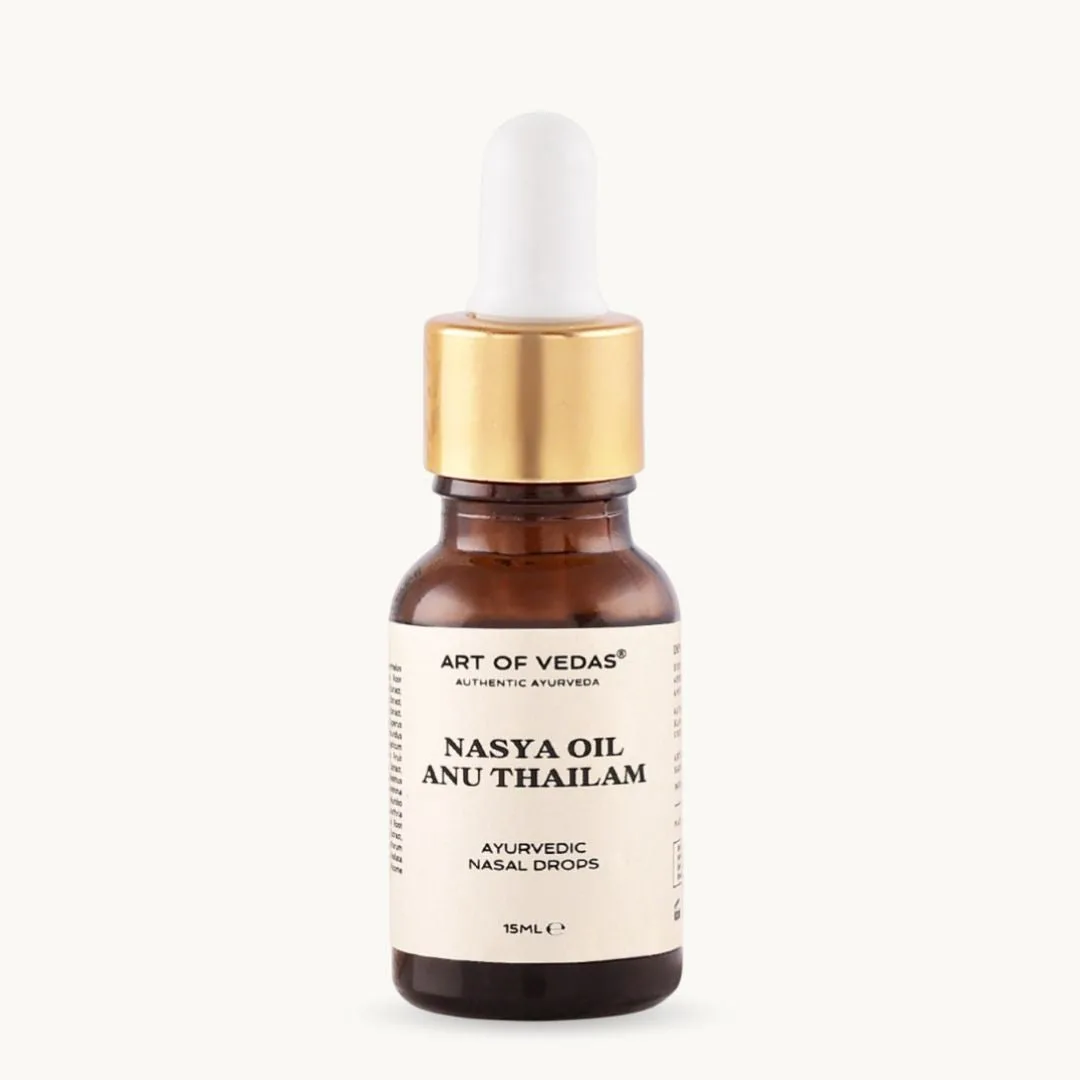
- Nasya oil: Anu Thailam in consumer-sized bottles for daily nasal care; this is a genuine Ayurvedic self-care recommendation, not a retail gimmick
- Herbal teas and food supplements: Dosha-specific herbal blends that complement the treatment programme
- Tongue scrapers and Kansa wands: traditional Ayurvedic self-care tools that are tactile, affordable, and reinforce the Ayurvedic lifestyle message
Position retail as an extension of clinical care, not as a sales channel. When the therapist recommends a specific oil for the guest's Dosha type after treatment, it carries credibility that a retail display alone cannot achieve. Train therapists to make personalised recommendations based on the constitutional assessment they performed during the treatment.
Seasonal Programming
Ayurveda recognises six seasons (Ritus), each with specific treatment recommendations. Adapting your spa menu seasonally demonstrates genuine Ayurvedic knowledge and gives returning guests a reason to try new treatments.
- Winter (Vata season): emphasise warming, nourishing treatments; feature Pizhichil, warm oil Abhyanga with heavier Thailams, Kizhi with warming herbs
- Spring (Kapha season): introduce Udvartana, stimulating treatments, lighter oil selections; this is traditionally the time for deeper cleansing protocols
- Summer (Pitta season): shift to cooling treatments; Shirodhara with cooling oils, lighter touch Abhyanga, cooling herbal boluses; reduce treatment room temperature slightly
- Autumn (Vata transition): return to grounding, warming treatments as the season shifts; focus on stability and nourishment
Seasonal menu rotations require modest adjustments (primarily oil selection and treatment emphasis) rather than entirely new treatments. They demonstrate depth of knowledge and keep your programme dynamic throughout the year.
Measuring Success
Track the performance of your Ayurvedic programme with metrics that reflect both business health and treatment quality:
- Rebooking rate: guests who return for a second Ayurvedic treatment indicate satisfaction and perceived value
- Upgrade rate: guests who move from single treatments to combination packages or courses
- Retail attachment: percentage of Ayurvedic treatment guests who purchase home-care products
- Therapist utilisation: are your Ayurvedic-trained therapists fully booked, or is there capacity for growth?
- Guest feedback: specifically note comments about authenticity, therapist skill, and treatment distinctiveness
Art of Vedas supplies spas and wellness hotels across Europe with professional-grade Ayurvedic oils, herbal powders, and treatment accessories. Browse our Shirodhara guide and Abhyanga guide for detailed treatment protocols to support your team's training.