This article is part of our How to Balance Your Dosha: The Classical Ayurvedic Seasonal Approach guide series.
Spring is Ayurveda's natural cleansing season - and the classical reasoning is elegant. During winter, the body wisely accumulates Kapha - heaviness, density, stored energy - as protection against cold. This accumulation is appropriate and necessary; winter Agni is strong, the body needs insulation and reserves, and the heavy, nourishing winter diet provides exactly what the season requires.
But when spring arrives and temperatures rise, this accumulated Kapha begins to liquefy and mobilise - exactly as snow melts. The Kapha that was stored safely in the tissues now flows into the channels, producing the characteristic spring symptoms: congestion, sinus heaviness, lethargy, sluggish digestion, water retention, and a pervasive sense of heaviness that makes March and April feel like wading through treacle.
The Ritucharya approach to spring is straightforward: help the body clear what it no longer needs.
The Spring Agni Pattern
Agni weakens in spring - the transition from winter's strong internal fire to spring's gentler warmth reduces digestive capacity precisely when the body needs to process and eliminate accumulated Kapha. This creates the characteristic spring digestive pattern: heaviness after meals, loss of appetite (particularly in the morning), a thick white tongue coating (visible Ama accumulation), and a sense that food is sitting unprocessed.
This weakened Agni is why the spring diet must lighten - the body cannot handle the heavy, rich winter diet when Agni is diminishing, and continuing to eat heavily compounds Kapha accumulation rather than clearing it.
The Classical Spring Cleanse Protocol
Diet: Lighten Decisively
Shift to the Kapha-pacifying diet - this is the season it is most specifically indicated. Lighter grains (barley, millet, buckwheat), abundant leafy greens, legumes, pungent spices (ginger, black pepper, turmeric, fenugreek, mustard), and reduced dairy, wheat, sugar, and heavy foods.
Morning warm water with honey and ginger: This classical spring combination stimulates sluggish morning Agni, helps dissolve Kapha mucous, and supports gentle daily elimination. Raw honey is the only sweetener that reduces Kapha - take it in warm (not hot) water.
Reduce or skip breakfast: Spring is the one season where intermittent fasting specifically benefits most constitutions. If appetite is genuinely absent in the morning, honour that - the body is signalling that it needs digestion time, not more food. A warm ginger tea may be sufficient until genuine hunger appears.
Eat the main meal at midday: When Agni is at its daily peak. Keep dinner light and early.
Herbs: Support the Clearing
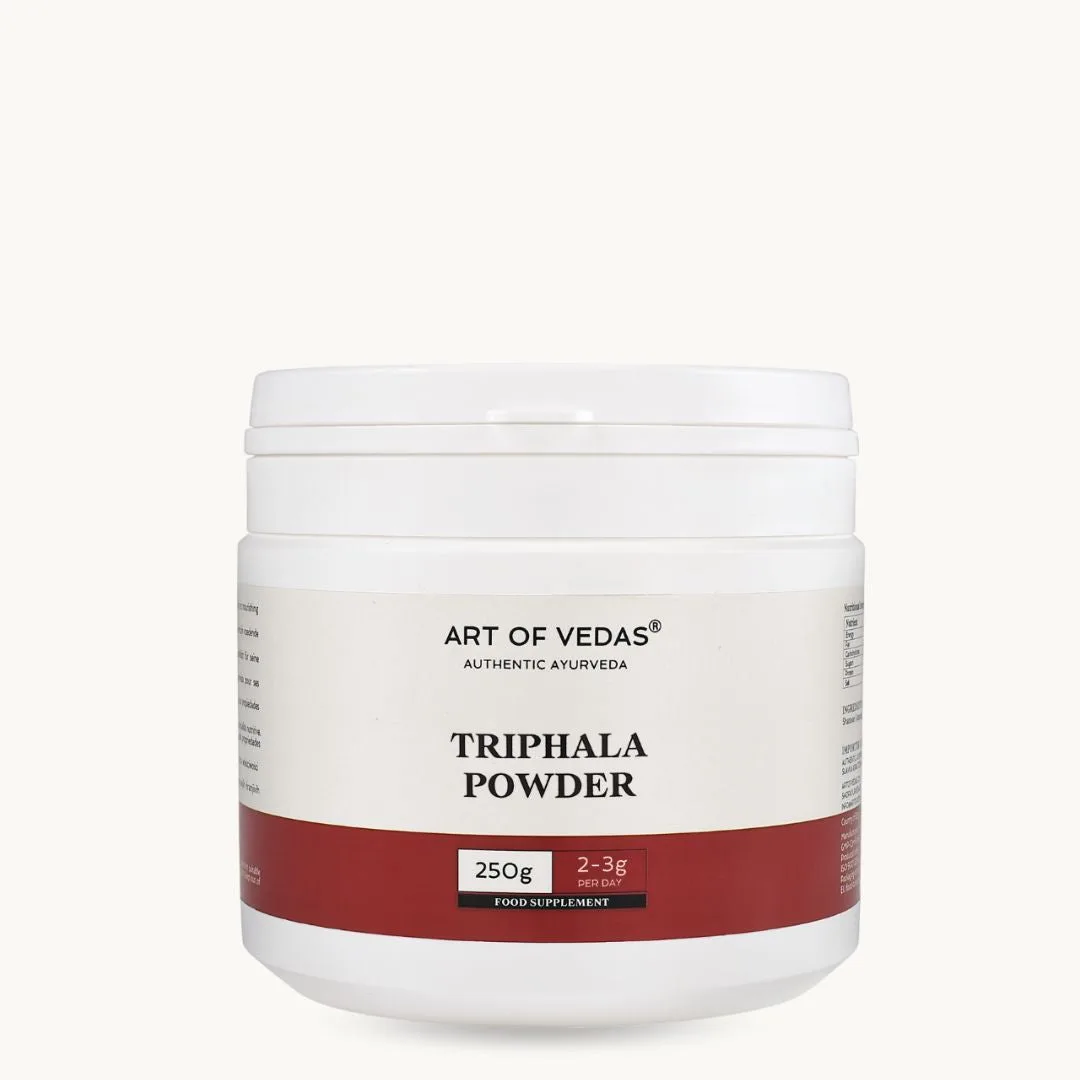
Triphala: The premier spring supplement - its astringent, bitter, and gently warming qualities directly counteract Kapha accumulation. Take before bed with warm water to support overnight Ama clearing.
Trikatu (ginger, black pepper, long pepper): The classical Agni-kindling formula - specifically indicated for Manda Agni (the sluggish Kapha digestive fire). A pinch before meals stimulates appetite and digestive efficiency.
Turmeric: Its bitter, blood-purifying, Kapha-reducing qualities make it a spring essential - in food, in or as a simple preparation with honey.
Routine: Activate
Rise before 6 AM: Before the Kapha period of the morning (6-10 AM). Sleeping past 6 AM in spring is sleeping directly into Kapha time - producing the very heaviness you are trying to clear.
Vigorous exercise: Spring is the most important season for physical activity. The body needs movement to mobilise and clear accumulated Kapha. Brisk walking, vigorous yoga, swimming, cycling - any activity that generates warmth, sweat, and circulation.
Garshana (dry brushing): Before Abhyanga, brush the body with a dry silk or wool glove in brisk strokes toward the heart. This stimulates lymphatic flow, exfoliates dead skin, and activates the Kapha that settled in the tissues during winter. Follow with lighter, warming Abhyanga - less oil than winter, applied with stimulating technique.
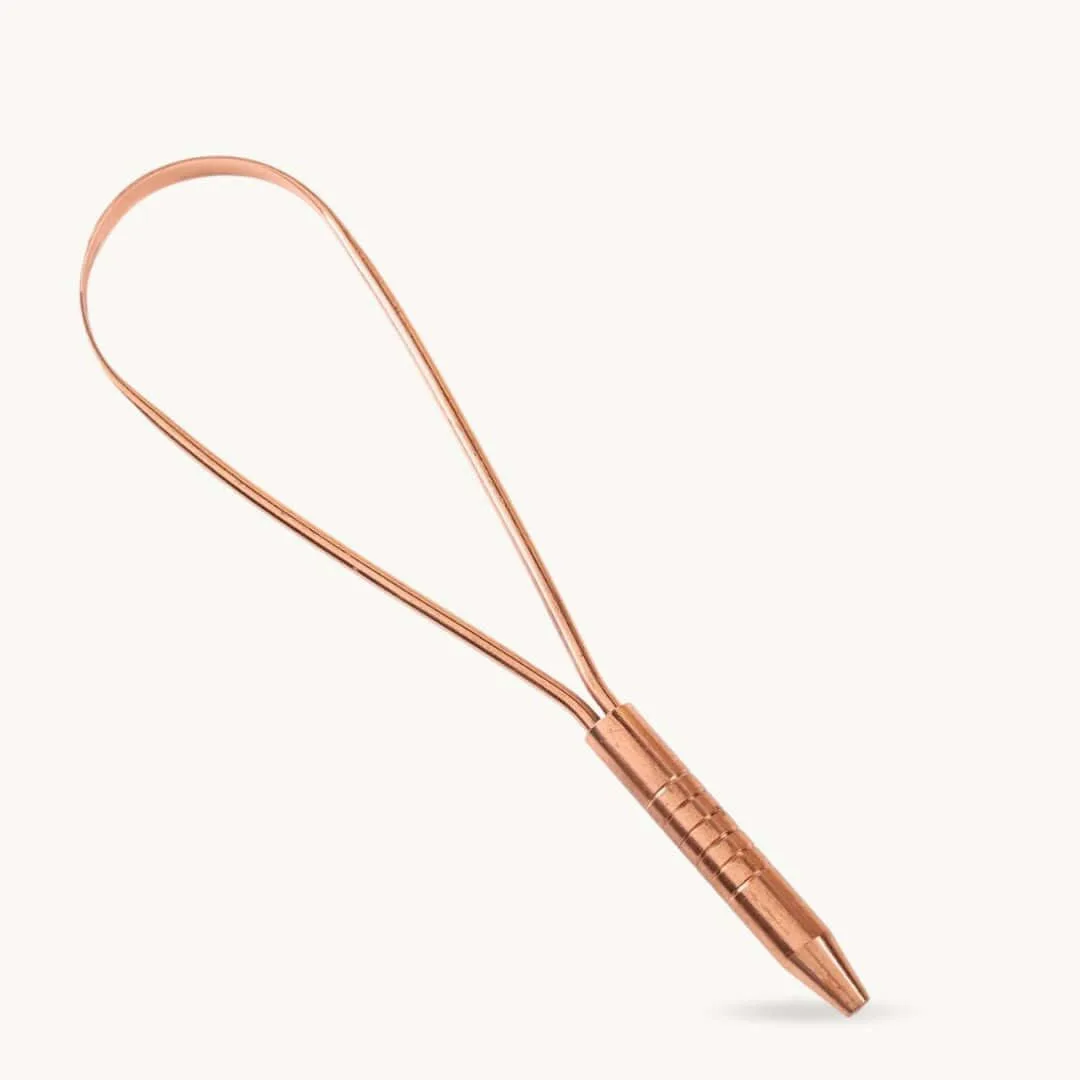
Tongue scraping: Spring is when the copper tongue scraper earns its keep. The thick white morning coating - heaviest during Kapha season - is direct evidence of Ama and Kapha in the oral cavity. Scraping it away daily removes this residue and stimulates Bodhaka Kapha (the taste-perceiving sub-Dosha) to function more clearly.
Gentle Purification
Spring is the traditional season for Panchakarma - specifically Vamana (the Kapha-clearing procedure). Full clinical Panchakarma requires practitioner supervision, but gentler home practices support the body's natural spring clearing:
Simple home practices like daily Triphala, a brief kitchari mono-diet for 1-3 days (rice and mung dal with digestive spices - the simplest, most easily digestible meal that allows Agni to rest and recover), and increased warm water intake through the day support the eliminative processes without the intensity of clinical procedures.
Duration and Transition
The spring cleanse is not a weekend event - it is a seasonal adaptation lasting approximately 6-8 weeks (March through April in most European climates). As temperatures warm and summer approaches, gradually reintroduce more variety and richness to the diet while maintaining the lighter eating habits and exercise routine that spring has established.
For a spring cleanse programme tailored to your constitution - particularly important if you are a Kapha-dominant type for whom spring is the most challenging season - an Ayurvedic consultation provides clinical guidance on the depth and duration of cleansing appropriate for your individual pattern.
Classical Ayurvedic seasonal knowledge for educational purposes. Not medical advice. Consult a healthcare professional before undertaking any dietary cleanse or fast.