Churnams: Classical Ayurvedic Herbal Powders
Churnam (Choorna, Choornam) - finely powdered herb or herb combination - is the oldest and simplest pharmaceutical form in Ayurveda. Before decoctions, before fermentations, before medicated oils, there were powders: herbs dried, ground, and administered directly. This simplicity is not a limitation but an advantage - Churnams provide the most direct contact between herb and digestive system, the most flexible dosing, and the broadest range of administration methods of any Ayurvedic preparation form.
Why Powders Remain Relevant
In an era of capsules, tablets, and standardised extracts, the classical powder form persists in Ayurvedic practice for specific reasons:
Taste activation: Ayurvedic pharmacology recognises that the Rasa (taste) of a preparation initiates physiological responses before absorption even begins. When Trikatu touches the tongue, Agni activation begins immediately. Capsules bypass this mechanism entirely. For formulations where taste is therapeutically important, Churnam is the preferred form.
Flexibility: Churnams can be mixed with warm water, honey, ghee, or food - each Anupana (vehicle) directing the herbs toward different tissue targets. The same Churnam can serve different therapeutic purposes depending on the vehicle used.
Topical versatility: Many Churnams serve dual internal/external roles. Triphala Churnam is taken internally for digestive support and applied externally as an eye wash or wound-cleaning preparation. Turmeric Churnam is consumed for internal Agni support and applied as Ubtan for skin care.
Cost-effectiveness: Churnams are the most economical form of Ayurvedic preparation - no processing beyond drying and grinding means lower manufacturing costs and higher herb-per-dose concentration.
Major Classical Formulations
Digestive Churnams
Trikatu Churnam: The "three pungents" - ginger, black pepper, and long pepper. The classical Agni-stimulating formula, traditionally used to kindle digestive fire, reduce Ama, and enhance the absorption of other medicines. Often prescribed alongside other preparations to boost their efficacy.
Hingvashtak Churnam: An eight-ingredient digestive formula centred on Hingu (asafoetida) - traditionally valued for bloating, gas, and Vata-type digestive disturbance. One of the most commonly prescribed digestive Churnams.
Avipattikara Churnam: A Pitta-pacifying digestive powder - traditionally used for acid excess, heartburn, and Pitta-type digestive discomfort. Contains Triphala, Trikatu, and cooling herbs in precise balance.
Rasayana Churnams
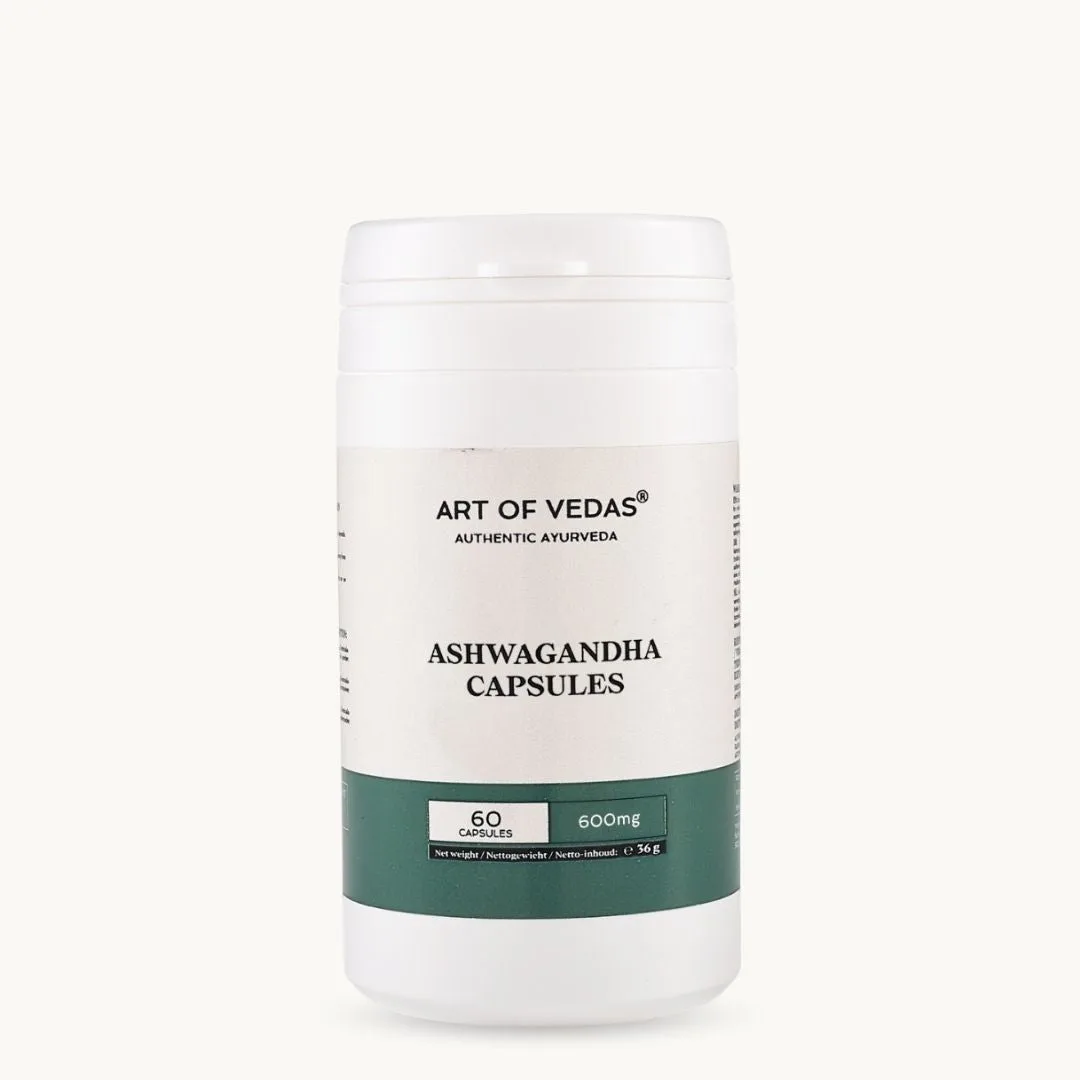
Ashwagandha Churnam: Single-herb powder of Ashwagandha root - traditionally taken with warm water and ghee as a Vata-pacifying Rasayana. The classical form for Ashwagandha consumption in Ayurveda.
Shatavari Churnam: Single-herb powder of Shatavari root - the premier female Rasayana, traditionally taken with warm water. Cooling, nourishing, and Pitta-pacifying.
Multi-Purpose Churnams
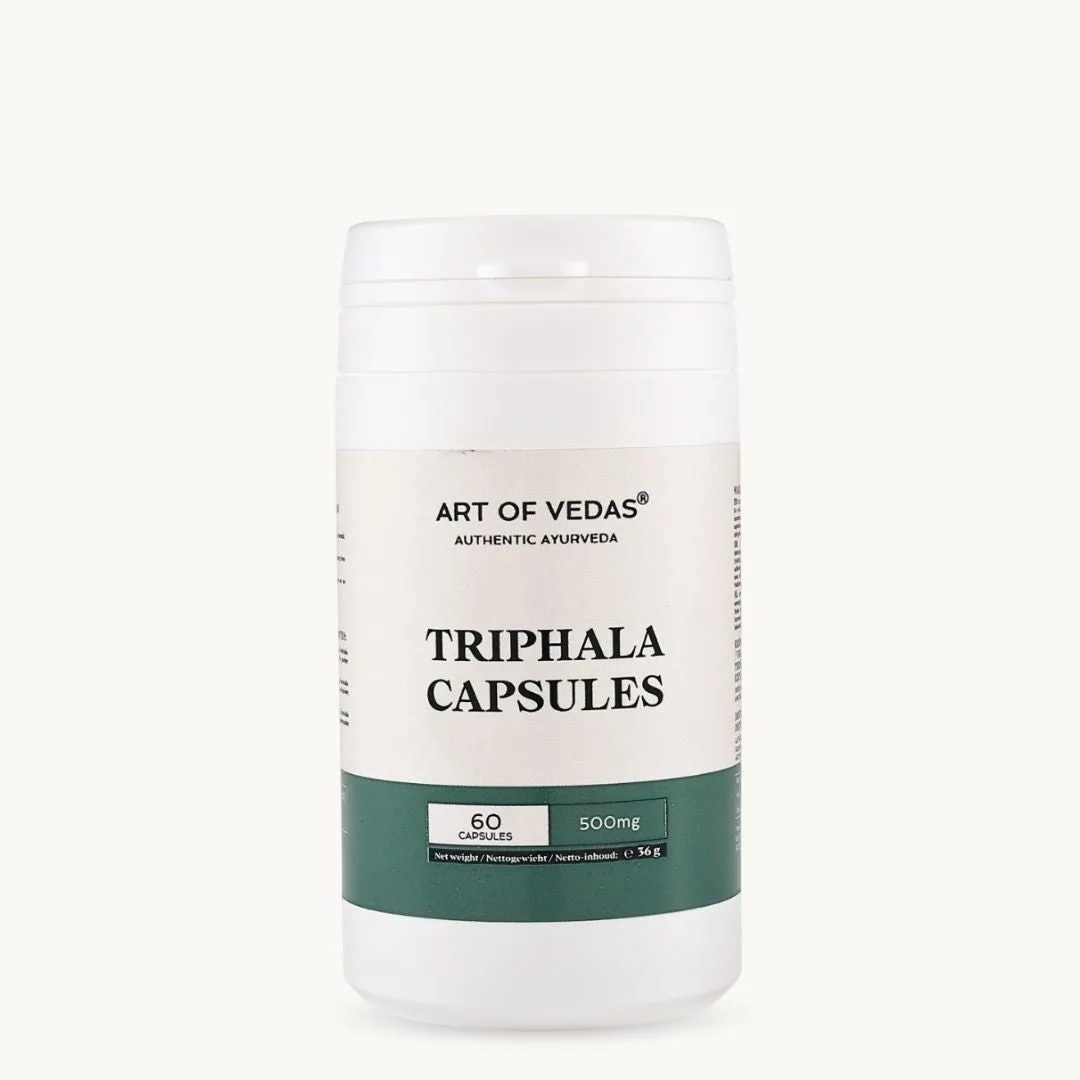
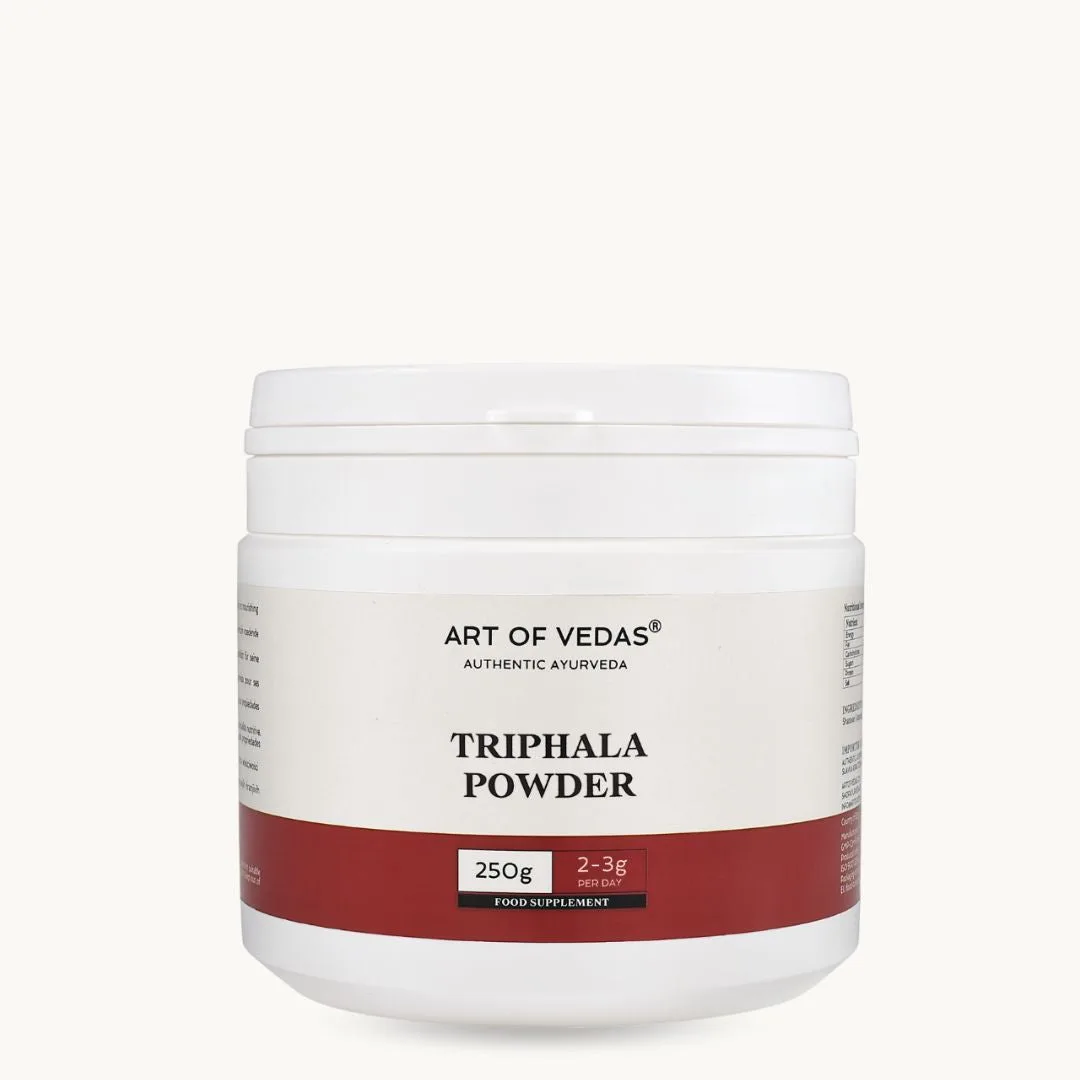
Triphala Churnam: The most versatile preparation in the Ayurvedic pharmacy - three fruits (Amalaki, Bibhitaki, Haritaki) that together balance all three Doshas. Internal for digestive regulation; external for numerous applications.
Sitopaladi Churnam: A classical respiratory support formula - traditionally used for cough, respiratory congestion, and Kapha accumulation in the respiratory tract.
Saraswata Churnam: A Medhya formulation traditionally valued for memory, concentration, and mental clarity.
Administration
With warm water: The most basic method - dissolve or stir the Churnam into warm water and drink. Direct, fast-acting, and suitable when Agni is adequate.
With honey: Traditionally used for Kapha conditions - honey's scraping (Lekhana) quality combines with the herbs to reduce accumulation. Classical rule: never heat honey.
With ghee: Targets fat-soluble tissues and provides a nourishing, Pitta-pacifying vehicle. Appropriate for Rasayana Churnams and when deeper tissue penetration is desired.
with warm water: The classical Anupana for Rasayana powders like Ashwagandha and Shatavari. Milk adds its own tissue-building quality and masks bitter tastes.
Mixed into food: Some Churnams - particularly the spice-based digestive formulas - can be sprinkled on food or stirred into cooking.
Standard dosage is typically 3, 6g (approximately half to one teaspoon), one to three times daily, as prescribed. The genuine supplements guide covers quality markers for purchasing Churnams.
For guidance on which Churnam formulations suit your constitution and health goals, an Ayurvedic consultation provides personalised recommendations.
Classical Ayurvedic knowledge for educational purposes. Food supplement - not intended to diagnose, treat, cure, or prevent any disease.