Kansa Vatki: The Classical Bowl Massage Tool
Among the traditional tools used in Ayurvedic body and foot care practice, the Kansa Vatki (also written Kansa Vati or Vatki) holds a distinctive place. Unlike the Kansa wand - which is designed for focused facial and local massage - the Vatki is a small, bowl-shaped cup designed specifically for the feet, and specifically for the classical practice of Pada Abhyanga: the Ayurvedic foot massage.
Made from the sacred Kansa (bell metal) alloy - an ancient combination of copper and tin used in India for ritual and healing objects for thousands of years - the Vatki is used with oil and circular strokes on the soles of the feet. Classical Ayurvedic tradition places the foot massage among the most important of all daily self-care practices, connecting the health of the feet directly with the health of the entire body through the network of Marma points concentrated in the sole.
What Is the Kansa Vatki?
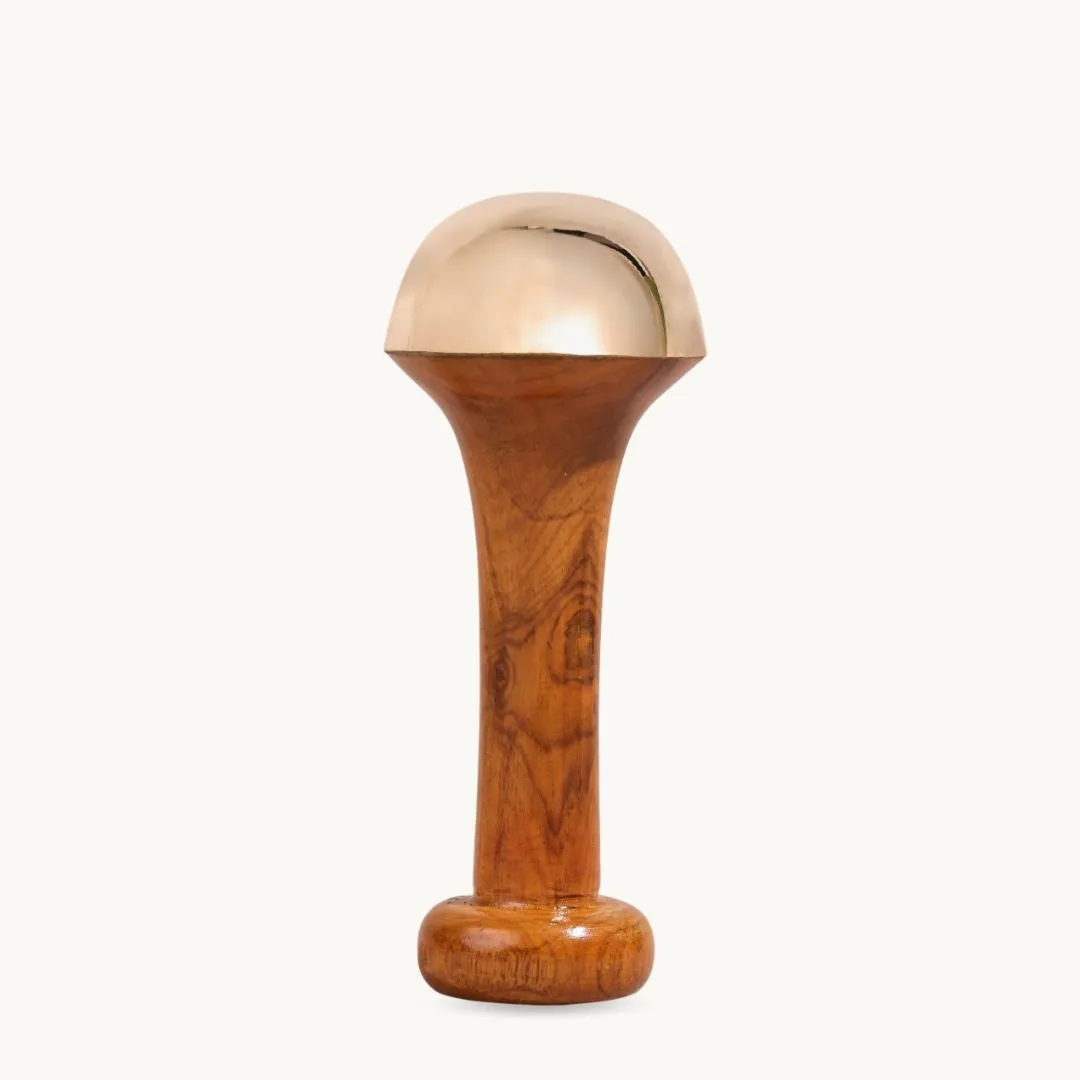
The Kansa Vatki is a dome-shaped or shallow bowl form, typically five to eight centimetres in diameter, held in the palm of the hand and used to apply pressure and circular friction to the sole of the foot. Its rounded form allows it to move smoothly across the plantar surface while maintaining consistent contact with the Marma points and reflex areas mapped in classical Ayurvedic anatomy.
The metal itself - Kansa, or bell metal - is understood in Ayurveda to have specific properties. Copper-tin alloy has been used in Ayurvedic practice and Indian metallurgy since ancient times. The classical texts describe copper-containing preparations as beneficial for Pitta-related heat and inflammation, and traditional understanding holds that the Kansa metal draws heat from the body tissues during massage - particularly evident in the mild yellowing of oil on the skin that practitioners often observe, attributed in traditional explanation to the drawing-out of excess Pitta heat.
Pada Abhyanga: The Classical Foot Massage Practice
Pada Abhyanga - the Ayurvedic foot massage - is described in the Ashtanga Hridayam (Sutrasthana, Chapter 2) as one of the components of ideal daily self-care in Dinacharya. Vagbhata's description of the benefits of regular foot oil application includes support for the vision (Chakshushya), strength and stability of the feet and legs, and beneficial effect on sleep quality.
The classical explanation draws on the understanding that the soles of the feet contain a high concentration of Marma points - the vital junctions of Prana, Tejas, and Ojas described in classical Ayurvedic anatomy. The Kshipra marma (between the first and second toe), the Talahridaya marma (at the centre of the sole), and the Kurcha marma (at the ball of the foot) are among the most significant. Regular stimulation of these points through oil massage is understood to support the health of the corresponding regions of the body and the functioning of the nervous system and sense organs.
How to Use the Kansa Vatki for Pada Abhyanga
Preparation
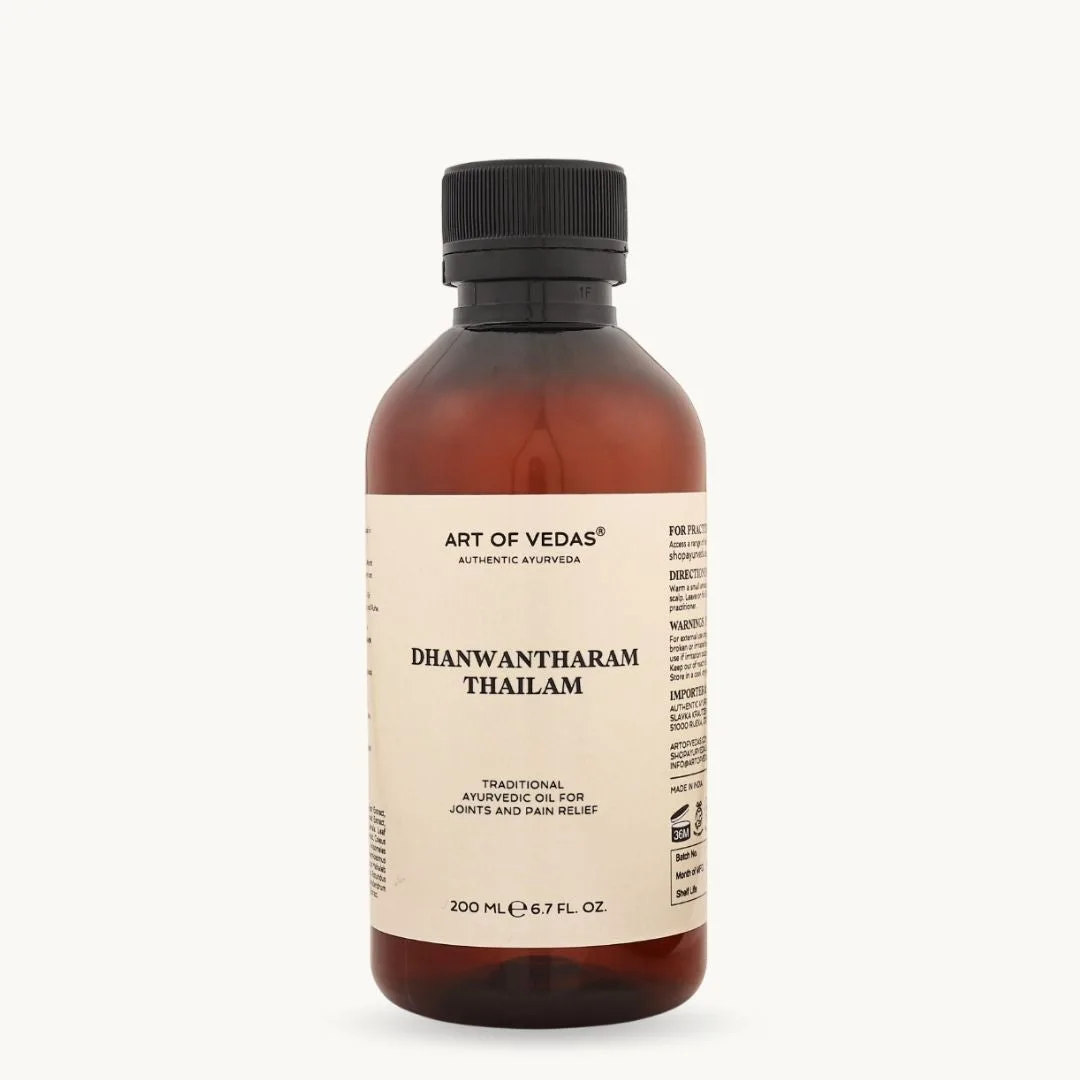
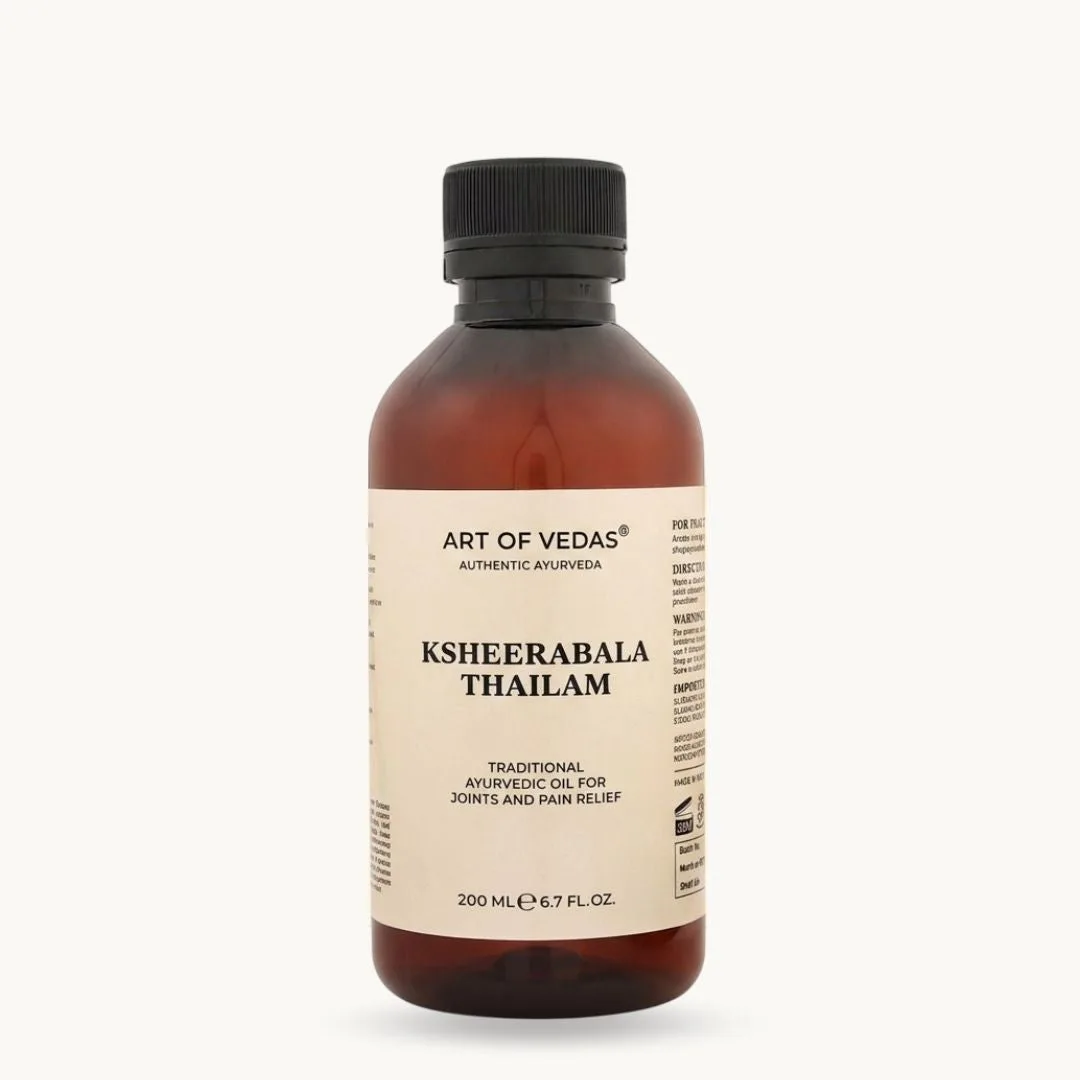
- Choose your oil: Sahacharadi Thailam is the classical recommendation for foot and lower leg massage - with its specific lower-body Vata-balancing and Pada (foot) application context in the classical texts. Dhanwantharam Thailam, Ksheerabala Thailam, or plain sesame oil are also appropriate. See our Sahacharadi Thailam guide.
- Warm the oil: Apply a small amount of oil (one teaspoon per foot) to the bottom of the Vatki or directly to the sole, warmed by the bowl held in the palm.
- Create a comfortable position: Sit comfortably in a chair or on the floor with one foot resting on the opposite thigh, accessible for massage.
The Massage Technique
- Initial contact: Apply the oiled Vatki to the centre of the sole (Talahridaya marma) with light pressure and hold briefly before beginning movement.
- Circular strokes: Using the full dome of the Vatki, move in circular patterns covering the entire plantar surface - from the heel to the ball, across the arch, and around the periphery of the foot.
- Direction: Work from the heel upward toward the toes, then from the outer to inner arch. The movement can alternate between circular and linear strokes moving toward the heart to support lymphatic and venous return.
- Pressure variation: The Vatki allows for comfortable variation of pressure - lighter strokes over the arch and bony prominences, firmer circular movements at the heel pad and ball of the foot.
- Toes: Use the edge of the Vatki to work along the base of the toes and the toe joints - areas associated with the Kshipra marma and reflex areas of the upper body and head.
- Duration: Five to ten minutes per foot is a meaningful practice. Even three to five minutes of regular daily Vatki massage offers cumulative benefit over time.
Completion and Care
- After completing both feet, allow the oil to absorb for a few minutes before standing.
- Clean the Vatki with warm water and a soft cloth after use. Avoid harsh detergents that may affect the metal patina.
- The Vatki develops a natural patina with regular use - this is expected and does not indicate a problem with the tool.
The Best Time for Kansa Vatki Foot Massage
The Ashtanga Hridayam places Pada Abhyanga ideally in the evening, as part of a pre-sleep ritual. The classical rationale is that the grounding, calming effect of foot massage supports Nidra (sleep quality) by settling Vata in the lower body and drawing awareness and energy downward - counterbalancing the upward movement of excess Vata that may disrupt sleep.
An evening Kansa Vatki practice - five to ten minutes per foot with warm Sahacharadi Thailam or sesame oil, followed by warm socks to retain the oil warmth - is one of the simplest and most effective Dinacharya practices for supporting rest and overall wellbeing. See our complete Dinacharya guide.
Kansa Vatki versus Kansa Wand: Understanding the Difference
Practitioners new to Kansa tools often ask about the difference between the Kansa Vatki and the Kansa Wand. They are complementary tools with different applications:
- Kansa Wand: Designed primarily for facial massage - the rounded wand head works across the face using specific strokes that stimulate Marma points, support lymphatic drainage, and address Pitta heat. See our Kansa wand guide.
- Kansa Vatki: Designed specifically for foot and plantar massage - the bowl form sits naturally in the palm and allows circular, even pressure across the sole.
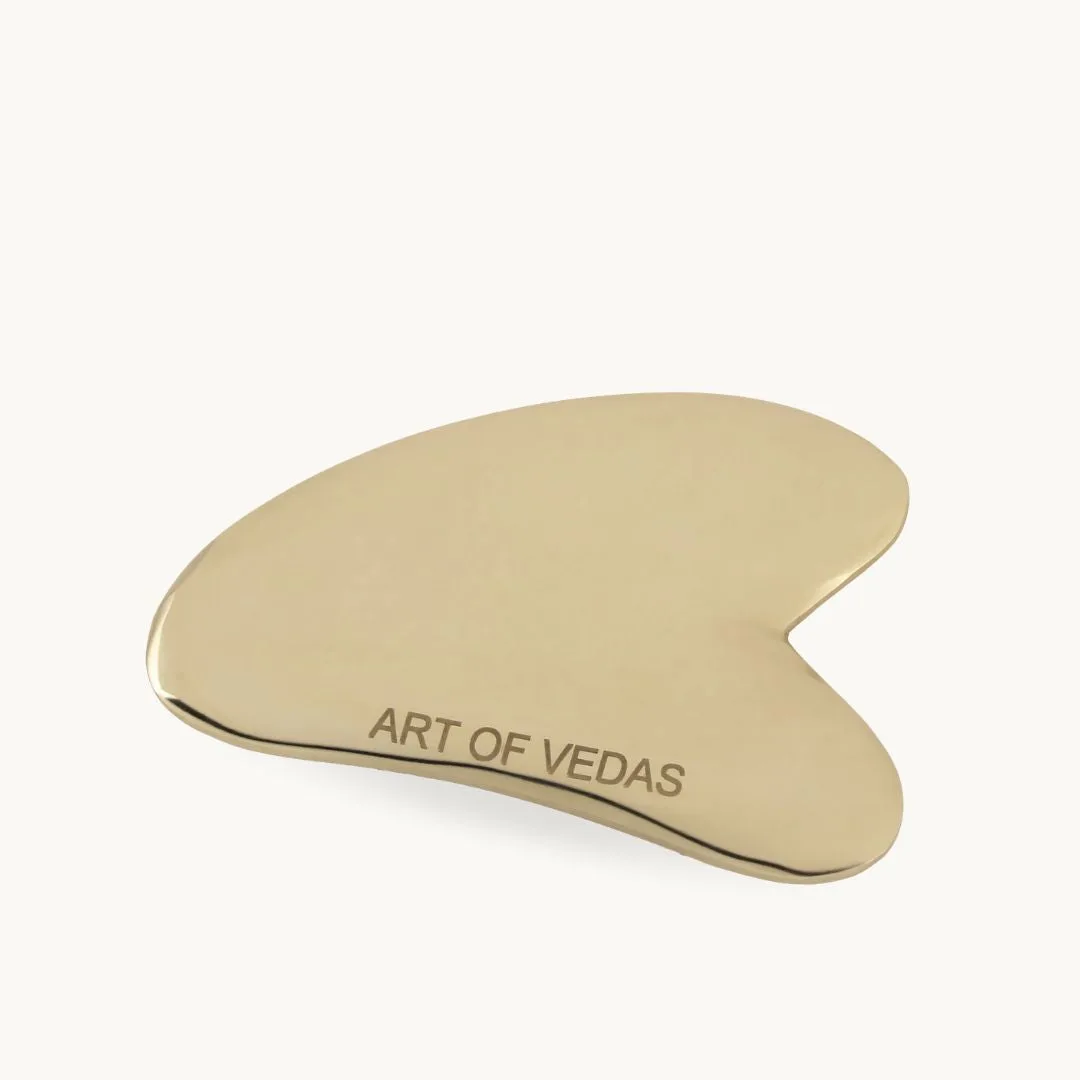
- Kansa Abhyanga Wand: A larger wand designed for full-body Abhyanga and local massage on the body - thighs, arms, back - where a longer handle and larger contact surface are appropriate.
For a complete Kansa practice, the Vatki and the wand are natural companions - wand for the face in the morning, Vatki for the feet in the evening.
Frequently Asked Questions
What is a Kansa Vatki used for?
The Kansa Vatki is used primarily for Pada Abhyanga - the classical Ayurvedic foot massage. Its bowl shape and Kansa metal composition are specifically suited to the plantar surface of the foot, where it is used with oil in circular strokes to stimulate Marma points, support circulation, and provide the grounding and calming effect that classical texts associate with regular foot massage.
What oil do I use with the Kansa Vatki?
Sahacharadi Thailam is the classical recommendation for foot and lower body massage in the Ayurvedic tradition. Dhanwantharam Thailam, Ksheerabala Thailam, and plain sesame oil are also appropriate. Warm the oil slightly before use and apply a small amount to the sole or directly to the bowl of the Vatki before beginning.
Why does the oil turn yellow during Kansa foot massage?
The mild yellowing of oil on the skin during Kansa massage is one of the most commonly observed phenomena in Kansa practice. In traditional Ayurvedic explanation, this is attributed to the drawing-out of excess Pitta heat from the body tissues by the copper-tin alloy. From a practical standpoint, it is a normal and expected occurrence - simply wipe the Vatki clean periodically during the massage if it becomes discoloured.
How often should I use the Kansa Vatki?
Daily use is the classical recommendation for Pada Abhyanga in the Dinacharya context. Even five minutes per foot daily offers cumulative benefit. For those who cannot manage daily practice, three to four times per week in the evening remains a meaningful and beneficial routine.
Can the Kansa Vatki be used on other parts of the body?
While the Vatki is specifically designed for foot use, its bowl form can also be used on the palms of the hands, where a similar concentration of Marma points (Talahridaya of the hand) are located. For broader body massage, the Kansa Abhyanga Wand is the more appropriate tool.
The Kansa Vatki in Your Daily Practice
The Kansa Vatki is one of the most accessible and immediately impactful Ayurvedic tools to incorporate into daily life. Unlike some practices that require significant time or preparation, a simple five to ten minute evening Vatki foot massage requires only a small amount of oil, a few minutes of quiet attention, and the tool itself.
Explore the Kansa Vatki from Art of Vedas, made from traditional Kansa bell metal in the classical proportion. Browse our full range of Kansa ritual tools, or continue reading about the complete Kansa practice in our Kansa wand guide and Dinacharya daily routine guide.
This article is for informational and educational purposes only. The Kansa Vatki is a traditional Ayurvedic wellness tool intended for use as part of a self-care ritual. It is not a medical device and is not intended to diagnose, treat, cure, or prevent any medical condition. Consult a qualified Ayurvedic practitioner for personalised guidance.
Explore more in this series
- Kansa Abhyanga Wand: Classical Body Massage Guide
- Kansa Gua Sha: Ayurvedic Facial Tool Guide
- Kansa Metal in Ayurveda: The Sacred Bronze Alloy
- Kansa Scalp Massager: Classical Shiro Abhyanga Tool Guide
- Kansa Vatki Foot Massage: The Classical Ayurvedic Bowl Ritual for Grounding and Sleep
- Kansa Vatki: The Classical Ayurvedic Foot Massage Guide
- Kansa Wand Benefits: The Classical Ayurvedic Bronze Massage Tool
- Kansa Wand: What It Is, What It Does and Why the Alloy Matters
- Kansa Wand: The Classical Ayurvedic Facial Massage Tool