Nasya (nuh-syuh) is the classical Ayurvedic practice of introducing medicated substances through the nasal passages. It is one of the five primary Panchakarma procedures described in the Charaka Samhita - ranking alongside Vamana (emesis therapy), Virechana (purgation), Basti (enema therapy) and Raktamokshana (blood-letting) as a primary classical purification method. At the same time, in its gentlest form - the daily Pratimarsha Nasya with just two drops of medicated oil per nostril - it is among the most accessible and practically sustainable of all classical daily practices.
This guide covers the complete classical context of Nasya: its theoretical foundation in the classical texts, the different types and their appropriate contexts, the Dinacharya integration of daily nasal oil practice, seasonal considerations and the complete range of classical nasal care tools and oils available at Art of Vedas. For those specifically seeking a guide to the daily home practice with Anu Thailam, the Anu Thailam complete guide covers that in detail. This guide addresses the broader classical framework.
The complete nasal care range from Art of Vedas is available in the Ayurvedic Nasal Care collection.
Nasa Dwaram Shiro Dwaram: The Classical Anatomical Principle
The foundational classical statement about Nasya is contained in the Ashtanga Hridayam, Sutrasthana Chapter 20: "Nasa hi shiraso dwaram" - the nose is the gateway to the head. This deceptively simple anatomical observation is the entire theoretical basis for Nasya as a therapeutic modality. If the nose is the gateway to the head, then substances introduced through the nose gain direct access to the head's internal structures - the brain, the sensory organs, the cranial channels and the Marma (vital energy) points of the cranial region - in a way that no other external route provides.
The classical texts develop this principle into a detailed pharmacological model. The channels of the head are described as originating in and being nourished through the internal cranial space. Prana Vata - the sub-type of Vata governing reception, breath, mental intake and the downward movement of food - moves through the head, sensory organs and chest, with its primary seat in the cranial region. When substances are introduced through the nasal route, the classical texts describe them as being carried by Prana Vata's natural movement through the cranial channel network, reaching the sensory organs, the cognitive structures and the connections to the cervical, thoracic and upper body channels.
This is the classical anatomical basis for the range of benefits attributed to Nasya - including improved vision, hearing clarity, voice quality, sleep, and the relief of conditions above the collarbone (Jatrurddhva Vikaras) - benefits that would be inexplicable if the nose were simply being moisturised and the benefits local. The classical model explains them as systemic effects delivered through the Prana Vata channel network from the nasal gateway inward.
The Classical Types of Nasya
The Charaka Samhita, Siddhi Sthana Chapter 9, and the Ashtanga Hridayam, Sutrasthana Chapter 20, provide detailed classifications of Nasya into five primary types, each with a different therapeutic purpose and clinical context:
1. Navana Nasya (Snehana or Shodhana Nasya): The classical oil-based Nasya - introduction of medicated oil or ghee into the nasal passages for nourishing (Snehana) or purifying (Shodhana) effect. This is the category of Nasya most relevant to the clinical use of Anu Thailam. Snehana Navana introduces small quantities of medicated oil primarily for nourishment, lubrication and Vata pacification. Shodhana Navana introduces slightly larger quantities or more penetrating formulations for the classical purpose of clearing accumulated Kapha and Pitta from the head channels. Within this category, the sub-types of Pratimarsha (daily, gentle, 2 drops per nostril) and Marsha (clinical, larger quantity) reflect the home practice vs. clinical Panchakarma distinction.
2. Avapida Nasya (Juice-based Nasya): Introduction of fresh herbal juices or pressed preparations through the nasal route. This is a more intensive form of Nasya reserved for clinical contexts under qualified practitioner supervision - described in the classical texts for specific Kapha and Pitta head conditions requiring the more powerful action of fresh herbal juice rather than the gentler medicated oil.
3. Dhmapana Nasya (Powder Nasya): Introduction of finely powdered herbal preparations through the nasal route using a tube (Nasapana) - a clinical procedure used in specific Kapha conditions characterised by very heavy accumulation, loss of consciousness presentations or conditions requiring the most penetrating Tikshna (sharp) action possible. This form is exclusively a clinical Panchakarma procedure.
4. Dhuma Nasya (Medicated Smoke Nasya): Inhalation of medicated smoke through specially prepared herbal preparations - used in certain classical Kapha respiratory conditions. A clinical procedure.
5. Pratimarsha Nasya (Daily Gentle Nasya): The gentle daily home practice - specifically designed for self-administration without clinical supervision, appropriate for all constitutions and ages. Two drops of medicated oil per nostril, performed with the classical technique described in the Anu Thailam guide. This is the form of Nasya that the Ashtanga Hridayam prescribes as "nityam" - daily - for everyone as part of the ideal Dinacharya.
The Classical Indications: What Nasya Treats
The Ashtanga Hridayam, Sutrasthana Chapter 20, lists the following classical indications for Nasya - grouped by the category most effectively addressed:
Indications for nourishing (Snehana) Nasya with medicated oil: Shirahshula (head pain and tension); Ardhavabhedaka (one-sided head conditions); Dantaharsha and Danta Shoola (dental sensitivity and pain, reflecting Vata accumulation in the upper jaw channels); Mukhashosha (dryness of the mouth); Karna Shoola (ear pain with Vata character); loss of strength in the hair, eyebrows and beard; dryness of the nasal passages; loss of smell (Anosmia, attributed to Prana Vata channel obstruction); Manya Stambha (cervical stiffness); Grivastambha (neck rigidity); and conditions of Prana Vata excess throughout the head channels.
Indications for clearing (Shodhana) Nasya: Murcha (fainting or mental cloudiness with Kapha character); Shirogurutva (heaviness of the head on waking); Tandra (mental dullness and drowsiness); persistent post-nasal drip and mucus accumulation; Svarabheda (voice change or hoarseness); Netra Vikara (eye conditions with Kapha or Pitta character affecting the visual channels); and conditions attributed to Kapha and Pitta accumulation in the head channels more broadly.
General benefits of regular daily Pratimarsha Nasya (from the Ashtanga Hridayam, Sutrasthana Chapter 2): Clarity of the sensory organs (Indriya Prasadana); voice quality (Svara Shuddhi); strength of the neck, head and shoulder muscles (Manya Bala); slowing of greying and hair loss; vision clarity (Drishtiprasadana); and the broad preventive action described as Jatrurddhva Vikara Nashana - prevention of all conditions above the collarbone through regular maintenance of the head channel network.
Contraindications: When Not to Perform Nasya
The classical texts are specific about the conditions under which Nasya should not be performed. Knowing these contraindications is as important as knowing the indications:
Always avoid Nasya when: there is active fever (Jwara); immediately after eating (the classical texts specify that Nasya should always be performed on an empty stomach or at least three hours after a meal); immediately after bathing or before bathing (the classical recommendation is to perform Nasya after tongue scraping but before bathing); during or immediately after vigorous exercise or intense physical exertion; in children under seven years (the Pratimarsha form can be used for older children under guidance); when pregnant without qualified practitioner guidance; when there is acute upper respiratory infection with fever; and when there is recent head injury.
The Charaka Samhita also describes specific seasonal windows during which clinical Nasya (Marsha form) should not be performed - primarily during cloudy or rainy weather and during the monsoon months in the Indian seasonal calendar, reflecting the classical understanding that certain atmospheric conditions affect the efficacy and safety of Shodhana procedures.
Nasya in the Dinacharya Sequence
The Ashtanga Hridayam, Sutrasthana Chapter 2, places Nasya within the full Dinacharya (daily routine) sequence. The classical order of morning practices is: waking at Brahma Muhurta (approximately 90 minutes before sunrise), elimination, teeth cleaning (Danta Dhavana) and tongue scraping (Jihva Nirlekhana), then Nasya (nasal oil application), then Gandusha/Kavala (oil pulling or herbal gargling), then Anjana (eye care), then physical exercise (Vyayama), then Abhyanga (full body oil application), then bathing.
This sequence reflects the classical logic of working from the most subtle (head and sensory organ nourishment through Nasya) toward the most physical (exercise and Abhyanga). Nasya is positioned early in the sequence - after the mouth and teeth are cleaned but before the body oil - because the nasal passages are being nourished and prepared, not detoxified, and their preparation should precede the more physical practices.
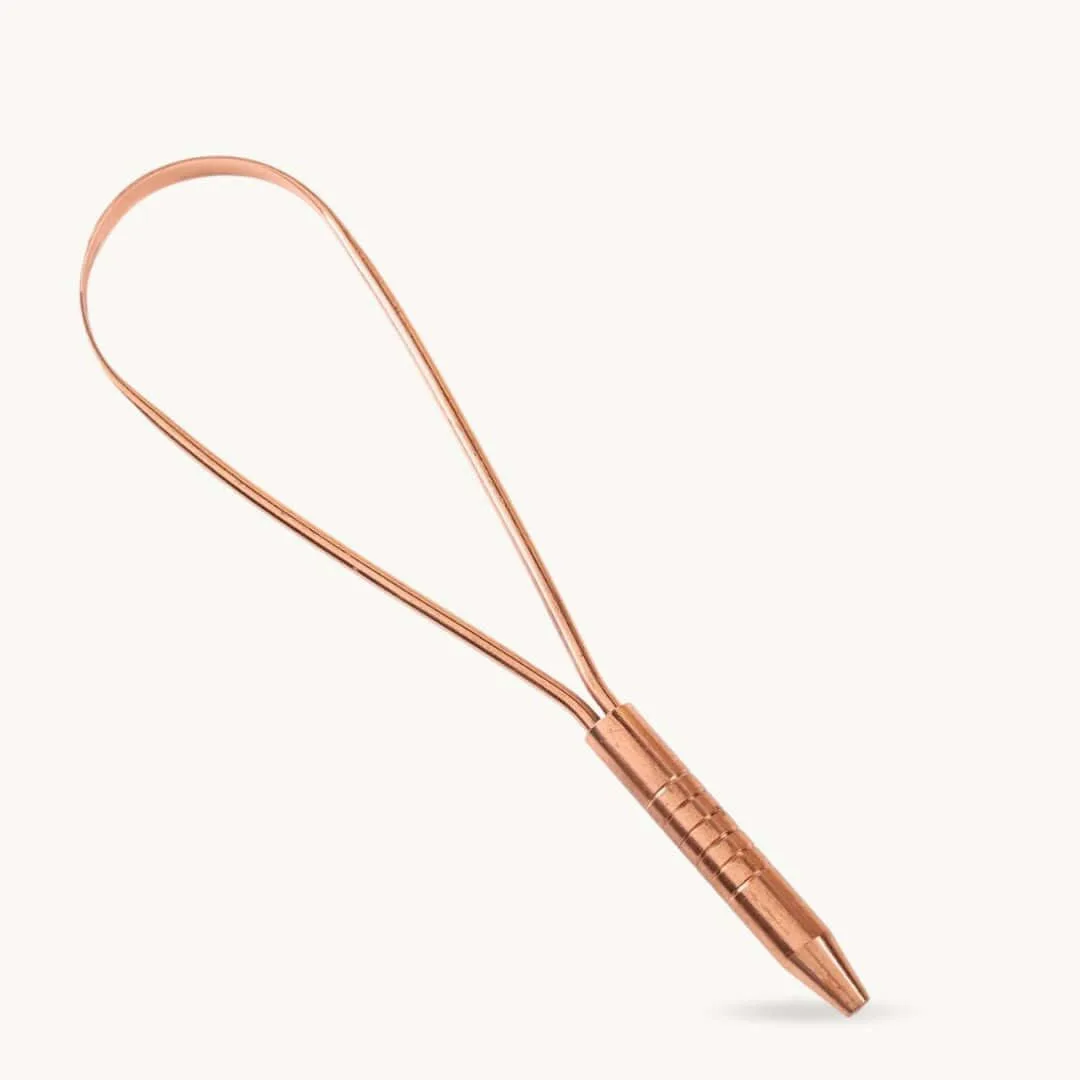
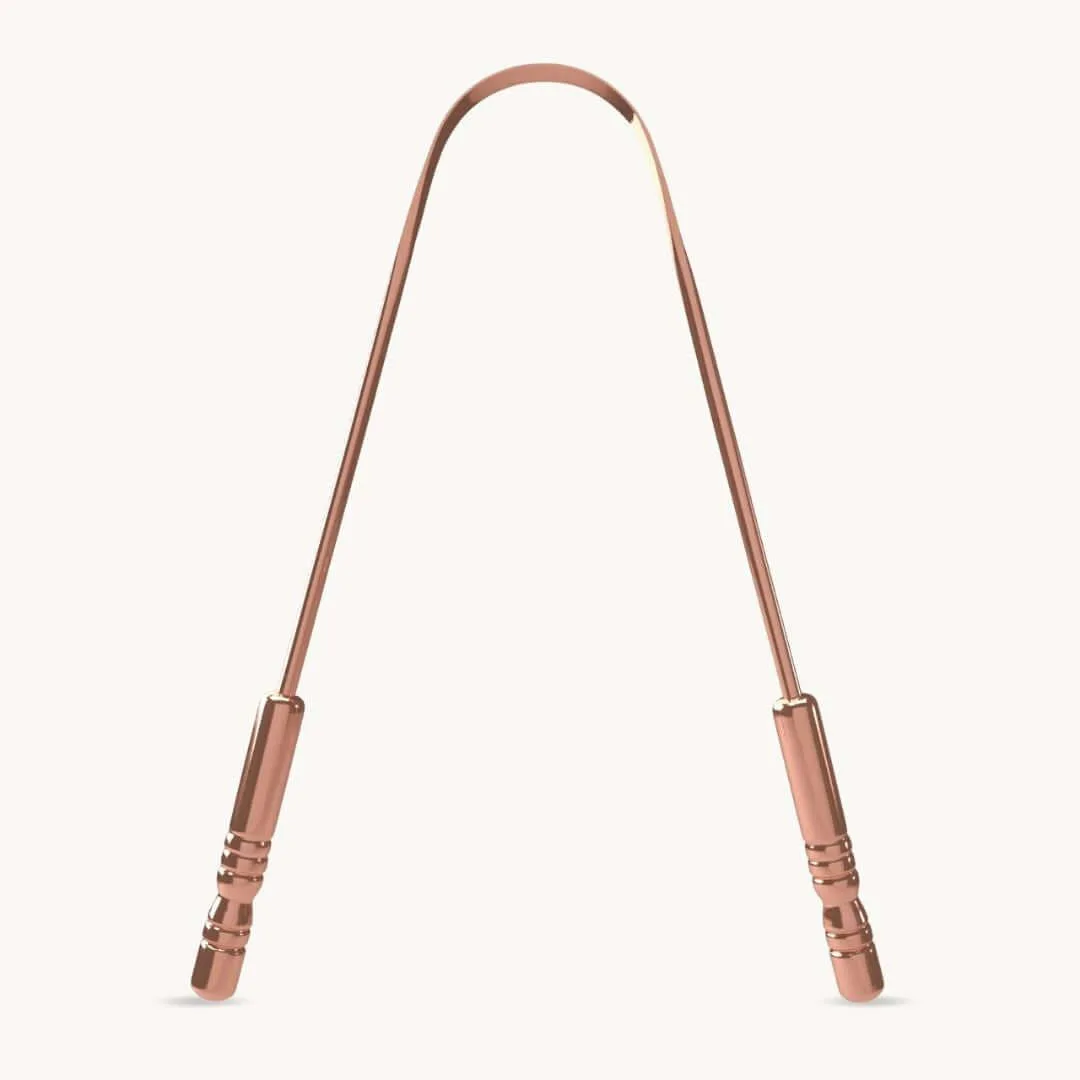
For home practice, the practical minimum Dinacharya that captures the most classical benefit in the least time is: tongue scraping, then Nasya with two drops of Anu Thailam per nostril, then warm water (from a copper vessel if following the full Dinacharya - the copper glass and copper tongue scraper from Art of Vedas cover the copper tool dimension of the morning routine), then Abhyanga before bathing. This 25-minute sequence delivers the primary benefits of the classical Dinacharya in a format sustainable for a working schedule.
The Nasya Vessels: Classical and Contemporary
The classical texts describe specific vessels for Nasya oil warming and application. The traditional form is a small metal vessel - brass in the classical Indian context - with a specific shape designed to hold the oil at the correct temperature and to allow precise drop-by-drop application. Art of Vedas offers the Gokarna Nasya Vessel in both a small format for personal daily use and a large format for practitioner use or household practice where multiple people use the same vessel. These are traditional brass vessels following the classical shape and material specification - warming the oil in brass before application aligns with the classical protocol and provides the gentle warming that the Ashtanga Hridayam consistently prescribes for oil applied to the nasal passages.
The practical combination for a complete home Nasya practice: the Anu Thailam as the medicated oil, the Gokarna small brass vessel for warming it, and the classical Pratimarsha technique described in the Anu Thailam guide. The full nasal care range is at the Ayurvedic Nasal Care collection.
Seasonal Nasya: When to Increase the Practice
The Ashtanga Hridayam describes seasonal variation in the intensity and importance of Nasya practice. Two seasons are identified as most important for consistent Nasya:
Sharad (autumn transition) and Hemanta (early winter): As temperatures drop and air becomes dry, Vata aggravates and the nasal passages dry and contract. This is the season when Snehana Nasya - nourishing, lubricating oil application - is most urgently needed as a protective measure. Consistent daily Pratimarsha Nasya with Anu Thailam through the autumn-winter transition directly protects the nasal mucosa against the Vata-aggravating dry, cold air of this season.
Vasanta (spring): As temperatures rise and Kapha begins to liquefy and flow from its winter accumulation sites, the head channels are loaded with melting Kapha - producing the characteristic spring congestion, heavy head, dull senses and persistent morning mucus of this season. Spring Nasya with the Tikshna-herb Anu Thailam directly counters the Kapha accumulation and supports the clearance of the head channels as the season transitions. Daily Nasya through spring is described in the classical texts as the single most effective preventive practice for spring Kapha head conditions.
The broader seasonal Abhyanga and Dinacharya framework - in which Nasya sits - is covered in the Abhyanga complete guide.
Frequently Asked Questions
What is the difference between Nasya as a Panchakarma treatment and daily Pratimarsha Nasya?
Clinical Panchakarma Nasya - the Marsha, Navana or more intensive forms - is administered under qualified Ayurvedic practitioner supervision as part of a formal purification programme. It involves specific preparation protocols (Poorvakarma: Snehana and Swedana), larger quantities of medicated oil or other preparations, and post-procedure rest and dietary protocols. Daily Pratimarsha Nasya - two drops of Anu Thailam per nostril - is a gentle, daily maintenance practice that can be self-administered without clinical supervision. The two practices share the same nasal route and the same Prana Vata channel theory but differ completely in intensity, purpose and context.
Can I use Nasya if I wear contact lenses?
Yes - the daily Pratimarsha Nasya practice does not affect contact lens wear. The gentle two-drop application to the nasal passages does not interact with the eyes directly. Remove contact lenses before any eye-adjacent application of oil to the face, but standard Nasya practice is unrelated to contact lens use.
Is there a risk of oil reaching the lungs with Nasya?
With the standard Pratimarsha Nasya (two drops per nostril), there is no risk of oil reaching the lungs. The nasal passage leads to the pharynx and the nasopharynx - the oil either absorbs into the nasal mucosa, moves to the nasopharynx where it can be gently expelled, or a small amount may enter the throat as a slight post-nasal drip. The quantity used in Pratimarsha Nasya (two drops) is far too small to reach the trachea or bronchi under normal circumstances. The more intensive clinical forms of Nasya with larger quantities require positional protocols specifically to prevent this - another reason why these forms require qualified practitioner guidance.
Can Nasya replace a nasal saline rinse?
Nasya and saline nasal rinsing are different practices serving different purposes. Saline rinsing is a mechanical flushing practice that removes surface debris and thins mucus - a physical cleansing approach. Nasya with medicated oil is a pharmacological nourishment and channel-support practice - the herbs in the oil act on the nasal mucosa and are carried through the Prana Vata channels into the head structures. Many Ayurvedic practitioners recommend saline clearing before Nasya in those with significant congestion, as it allows the medicated oil to reach the clean mucosa more effectively.
How long should I maintain a daily Nasya practice before expecting results?
For the protective and preventive benefits - lubricating the nasal passages, supporting sensory clarity, maintaining head channel health - the classical texts describe daily practice as the standard. Benefits of consistent daily practice accumulate over weeks to months. The more immediate benefits - reduced nasal dryness, a sense of clarity on waking, reduced morning congestion - are typically noticeable within the first week of consistent practice. The deeper benefits described in the Ashtanga Hridayam - improved vision, voice quality, hair strength - develop over months of unbroken daily practice.
Nasya is a classical Ayurvedic practice. The daily Pratimarsha form described in this guide is suitable for general home practice by healthy adults. For clinical Nasya procedures, chronic nasal conditions or any use during pregnancy, consult a qualified Ayurvedic practitioner. Anu Thailam from Art of Vedas is a traditional medicated oil for Nasya practice and is not intended to diagnose, treat, cure or prevent any disease.