Sweda - sweating or sudation - is one of the two primary therapeutic actions in classical Ayurvedic treatment, the other being Snehana (oleation, oil application). Where Snehana nourishes and loosens, Sweda mobilises and opens - the two together constitute Purvakarma, the preparatory phase of classical Panchakarma treatment that makes the body ready for the main cleansing procedures.
Pinda Sweda is the most sophisticated of the classical Sweda treatments that combines both actions simultaneously: boluses (Pinda - literally balls or bundles) filled with medicated herbs and rice are dipped in warm medicated oil and applied to the body with rhythmic pressure. The result is the simultaneous delivery of Snehana (from the oil) and Sweda (from the heat and the herbs' own warming properties) to the body's tissues, channels, and marma points - a combination that no single-modality treatment can replicate.
What Pinda Sweda Is
The classical description of Pinda Sweda appears in detail in the Sushruta Samhita and Ashtanga Hridayam. The treatment involves:
The boluses (Pinda): Cloth bundles - traditionally made from a double layer of cotton muslin - filled with the selected therapeutic medium. The classical types are defined by their contents:
- Shashtika Shali Pinda Sweda (also called Navarakizhi tradition): boluses filled with Shashtika Shali rice (a specific classical short-grain rice with documented Brimhana, nourishing, qualities) cooked in a combination of milk and herbal decoction. This is the most nourishing and building Pinda Sweda - the milk and rice provide Brimhana quality while the decoction delivers specific herbal action. Classically indicated for Vata depletion conditions.
- Churna Pinda Sweda (Podikizhi): boluses filled with medicated herbal powder (Churnam). The powder mixture is selected for its specific Dosha action - warming, Kapha-reducing powders for conditions of Kapha accumulation and cold; specific herb combinations for musculoskeletal Vata. The dry powder produces a different quality of Sweda than the moist rice preparation.
- Patra Pinda Sweda (Elakizhi): boluses filled with fresh leaves - classically including Eranda (castor) leaf, Arka leaf, Nirgundi, and other locally available therapeutic plants. The fresh leaves release their volatile oils and compounds directly into the tissue as they are applied with heat. This is the most aromatherapeutic of the classical Pinda Sweda preparations - the characteristic scent of Elakizhi is distinctive and immediate.
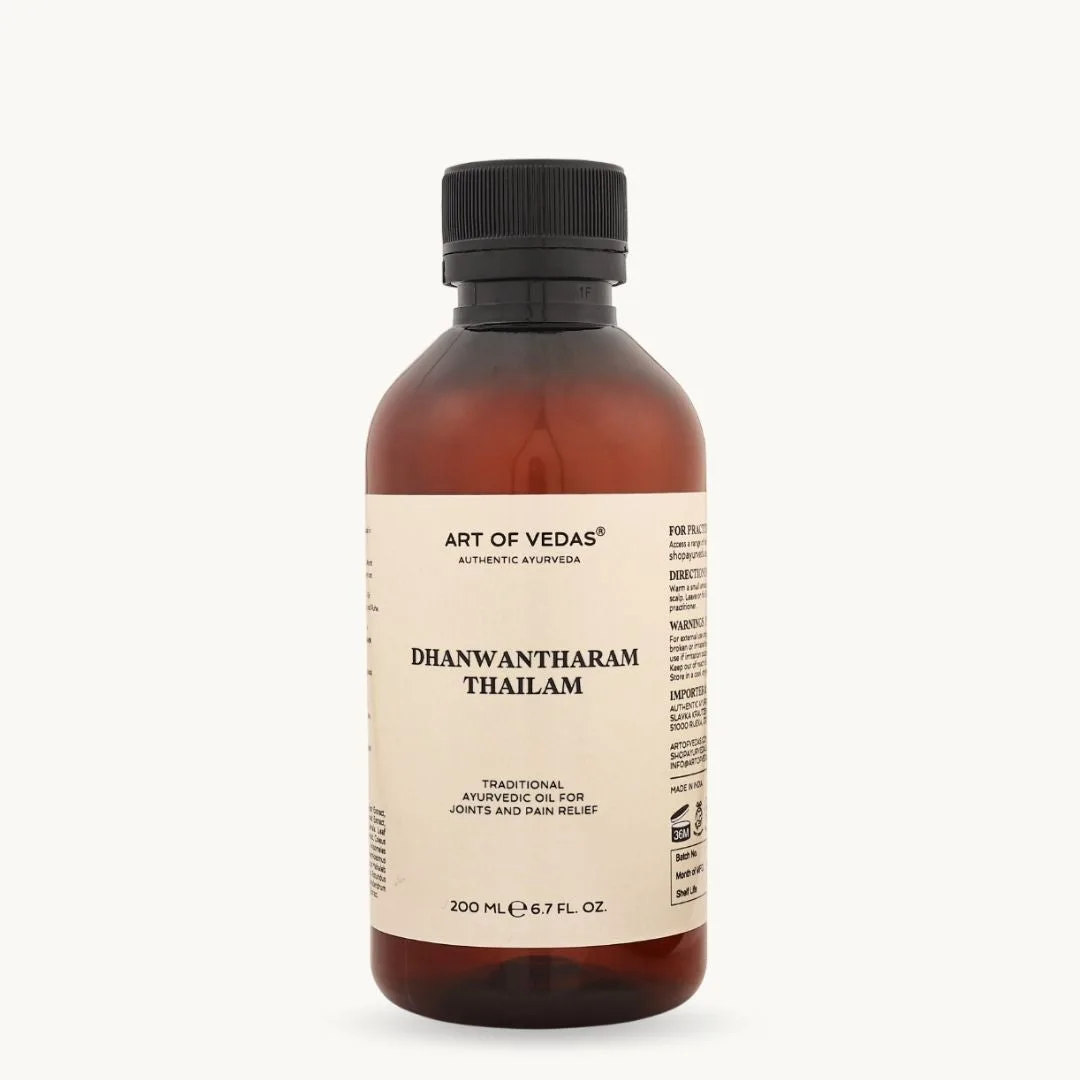
The medium: The boluses are continuously kept warm by dipping in heated medicated oil or medicated decoction (Kashayam) between applications. The classical oil selection adapts to the treatment's purpose: Dhanwantharam Thailam for general Vatahara Pinda Sweda, Ksheerabala for nourishing and building applications, Mahanarayana for intensive musculoskeletal Vata work.
The application: The practitioner applies the warm boluses to the body in rhythmic, directional strokes and presses, moving along the body's channels and systematically covering the tissue regions targeted in the treatment plan. Pinda Sweda is applied after the classical full body Abhyanga (oil massage) in the classical treatment sequence - the Abhyanga prepares the tissue and opens the channels; the Pinda Sweda delivers deeper heat and action into the prepared tissue.
Classical Mechanisms: How Pinda Sweda Works
The classical pharmacological reasoning for Pinda Sweda's effects operates through several simultaneous mechanisms:
Svedana (sudation): The heat from the warm boluses opens the Srotas (body channels) through which Dosha, Dhatu, and Mala (waste products) flow. Classical texts describe Sweda as liquefying and mobilising accumulated Dosha - particularly Kapha (which is already heavy and dense) and the cold-Vata that has accumulated in the musculoskeletal tissue - allowing it to move through the opened channels toward elimination.
Snehana (oleation): The oil coating the boluses is pressed into the skin and underlying tissue with each application, delivering the classical Thailam's properties (Vatahara, nourishing, penetrating) through both the physical pressure and the skin's receptivity following the preceding Abhyanga.
Direct herbal action: The herbs within the boluses - whether rice cooked in decoction, powders, or fresh leaves - release their active compounds through the combination of heat and pressure directly into the tissue. This is the mechanism that distinguishes Pinda Sweda from simple heat application: the tissue is receiving the specific therapeutic properties of the herbs simultaneously with the heat and oil.
Marma stimulation: The application of warm boluses to specific marma points - the vital energy junctions - during Pinda Sweda is a significant aspect of the treatment when performed by a skilled classical practitioner. The combination of heat, pressure, and oil at a marma point amplifies the response at that point beyond what any single modality produces alone.
Classical Indications
Classical texts describe the primary indications for Pinda Sweda as:
Musculoskeletal Vata conditions: Joint stiffness, restricted mobility, and the aching cold-pain pattern associated with Vata accumulation in the joints and muscle tissue are the primary classical indication. The heat of Pinda Sweda directly counters the cold quality of Vata in the musculoskeletal tissue, while the Vatahara herbs and oil address the underlying Dosha imbalance.
Vata nervous system depletion: The Brimhana quality of Shashtika Shali Pinda Sweda makes it a primary classical treatment for conditions of nervous tissue depletion - Majja Dhatu deficiency in classical terms, the tissue layer that encompasses the nervous system.
Post-exertion recovery: Athletes and those in physically demanding work benefit from the deep muscle nourishment and Sweda-stimulated circulation of Pinda Sweda applied post-exertion.
Kapha accumulation in the musculoskeletal system: The Churna Pinda Sweda (powder bolus) preparation is specifically indicated when Kapha is the primary Dosha in a musculoskeletal presentation - heaviness, fluid accumulation in the joints, the dense stiffness of Kapha-type conditions.
Pinda Sweda in the Context of Panchakarma
In classical Ayurvedic clinical practice, Pinda Sweda is performed as part of a complete Panchakarma course under the direction of an AYUSH-certified Ayurvedic physician. The classical treatment protocol is:
- Clinical assessment: the Ayurvedic physician assesses the patient's constitution (Prakriti), current imbalance (Vikriti), and specific tissue-layer and channel involvement.
- Abhyanga sequence: each Pinda Sweda session is preceded by classical full body Abhyanga - typically with the same medicated oil that will be used in the bolus dipping medium.
- Pinda Sweda: the bolus treatment follows immediately after Abhyanga, applying the warm boluses systematically across the targeted body regions. A full session typically takes 45, 60 minutes following the Abhyanga.
- Rest and recovery: following treatment, the patient rests in a warm environment. The channels remain open for some time after Svedana, and cold exposure or sudden activity are classically avoided.
- Course duration: classical Pinda Sweda courses typically run 7, 14 consecutive days for significant conditions.
The Panchakarma guide covers the complete Purvakarma and Panchakarma framework within which Pinda Sweda sits.
Identifying Genuine Classical Pinda Sweda
As Ayurvedic treatments have spread through the European wellness market, "herbal stamp massage" and "herbal bolus treatment" have become common menu items in spas and wellness centres - often bearing little relationship to classical Pinda Sweda in their execution. The markers of genuine classical practice:
Classical preparation. The specific rice, herb combinations, decoctions, and oils used are determined by classical text references, not by general "relaxing herbs."
Classical sequence. Pinda Sweda preceded by Abhyanga is the classical protocol. Bolus massage applied without prior oil massage is missing the Snehana preparation that makes the tissue receptive.
AYUSH-qualified practitioner. The treatment is designed and supervised by a classically trained Ayurvedic physician.
Proper oils. The boluses are dipped in genuine classical Thailams - Dhanwantharam, Ksheerabala, or Mahanarayana depending on the clinical indication - not generic massage oils.
The guide to identifying genuine Ayurvedic products and practices covers the broader framework for evaluating authenticity.
Professional Consultation
Pinda Sweda is a professional clinical treatment and is not recommended as a home practice - the proper preparation of boluses, maintenance of the correct temperature throughout treatment, appropriate selection of herbs and oils, and classical application technique require professional training and clinical oversight.
If you are interested in Pinda Sweda as part of a Panchakarma course or as a standalone treatment, an Ayurvedic consultation with one of our AYUSH-certified Ayurvedic doctors provides a classical assessment and can advise on whether Pinda Sweda is appropriate for your constitution and current situation.
This guide presents classical Ayurvedic knowledge about Pinda Sweda for educational purposes. Pinda Sweda is a professional clinical treatment that should be performed by a qualified Ayurvedic practitioner. This information is not medical advice and is not intended to diagnose, treat, cure or prevent any disease.