Anyone selling Ayurvedic products in Europe will tell you they are authentic. Everyone will mention tradition. Most will claim a connection to ancient wisdom. So the question "why Art of Vedas?" deserves a specific answer, not a collection of marketing language.
Here is ours.
We Started From the Texts
The Art of Vedas product range was built by going back to the classical Ayurvedic source texts - Charaka Samhita, Ashtanga Hridayam, Sushruta Samhita, Sahasrayogam and others - and identifying which formulations are described in those texts for each category of use.
This sounds obvious. It is less common than it should be.
A significant proportion of products marketed as Ayurvedic in Europe are formulated by mixing herbs that are individually associated with Ayurveda, without reference to classical compound preparations or the classical pharmacological framework that explains how those herbs interact. The result looks Ayurvedic. It uses Ayurvedic ingredients. But it is not classical Ayurveda.
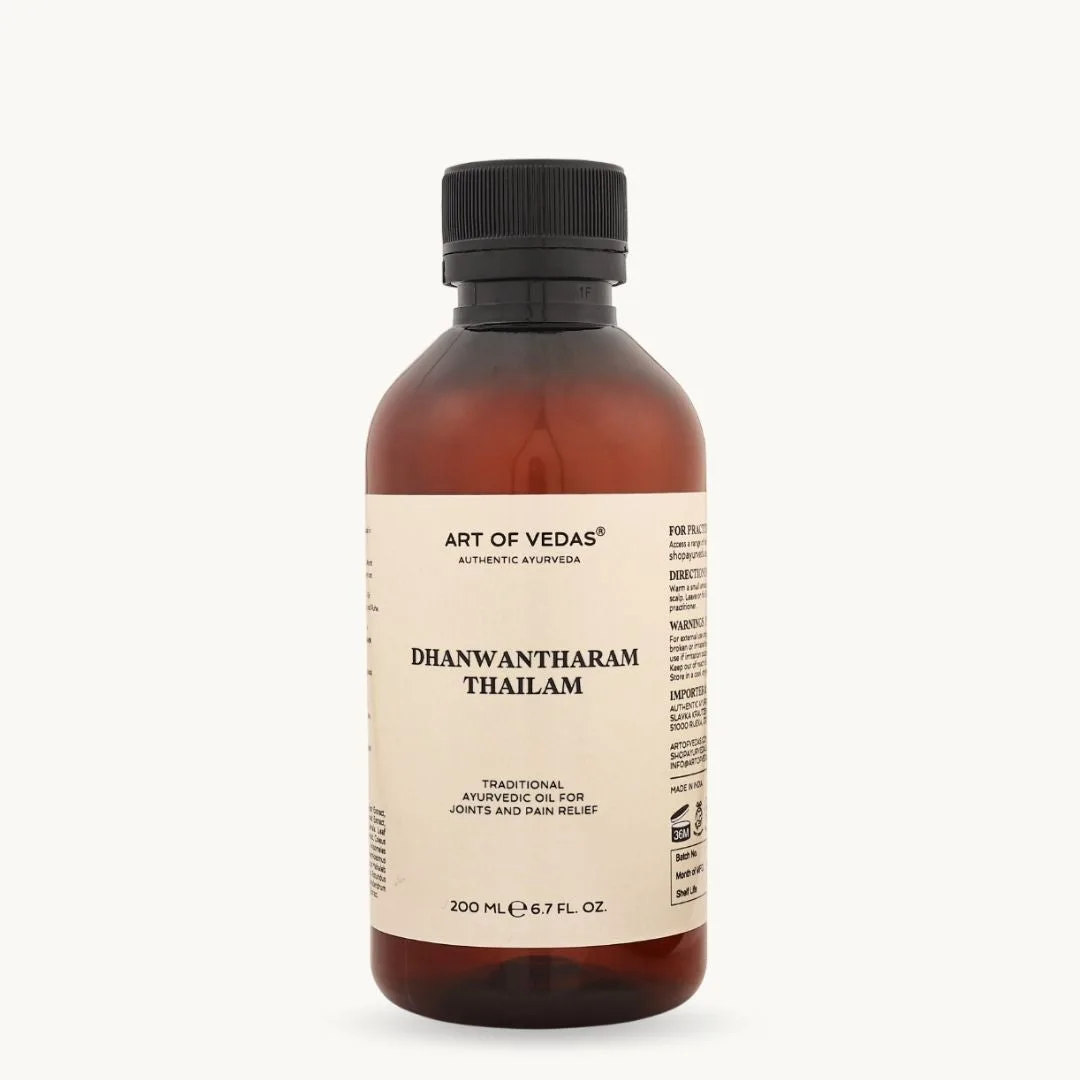
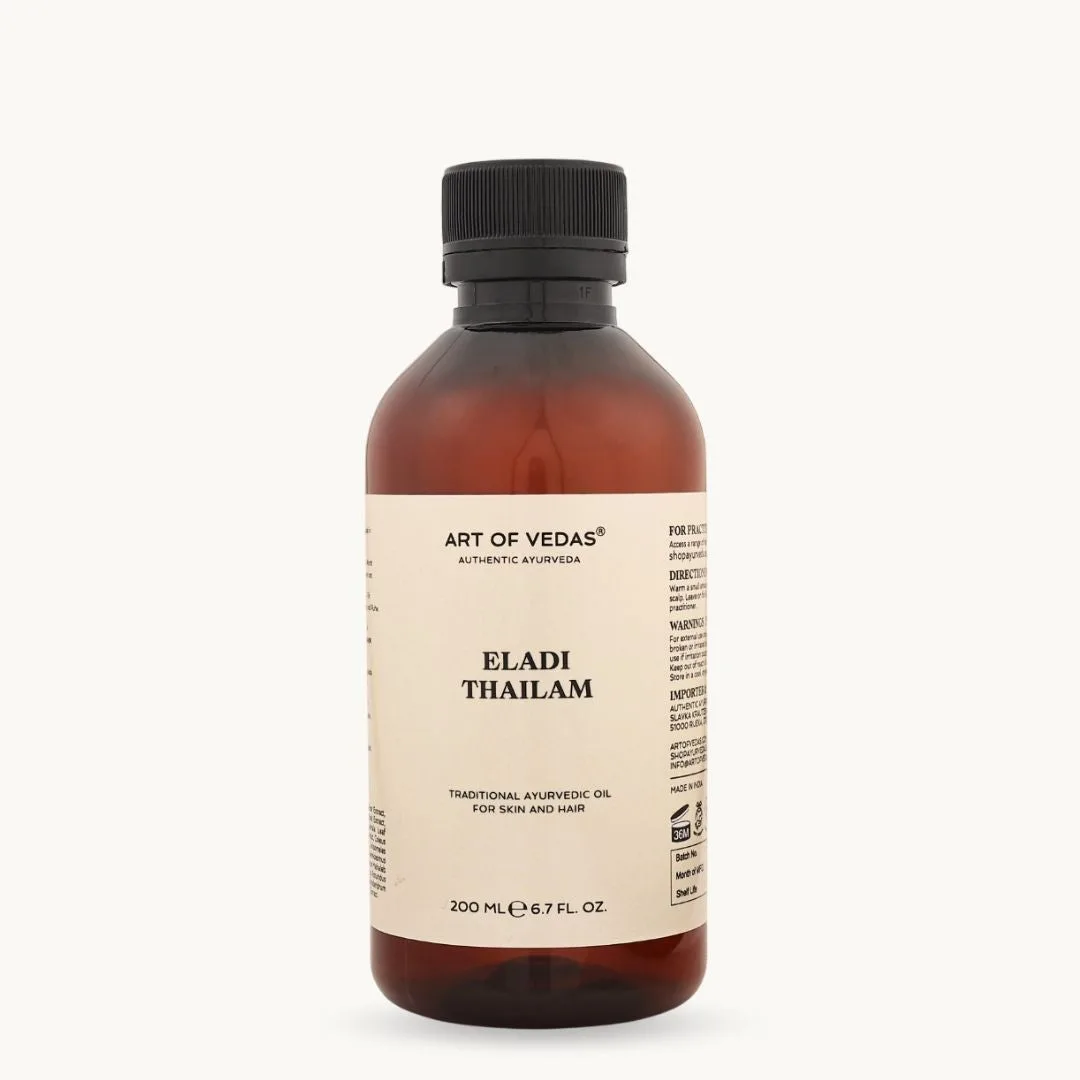
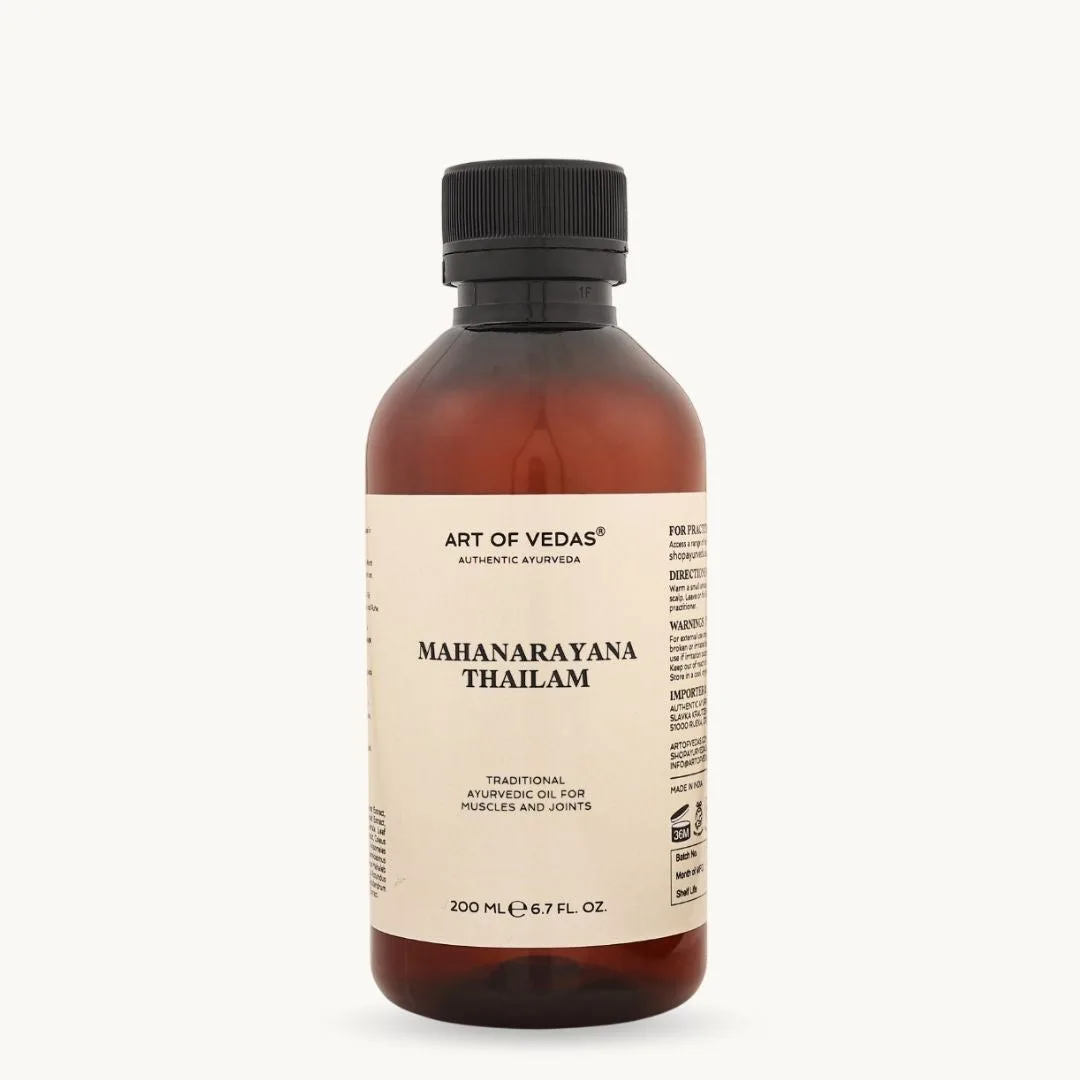
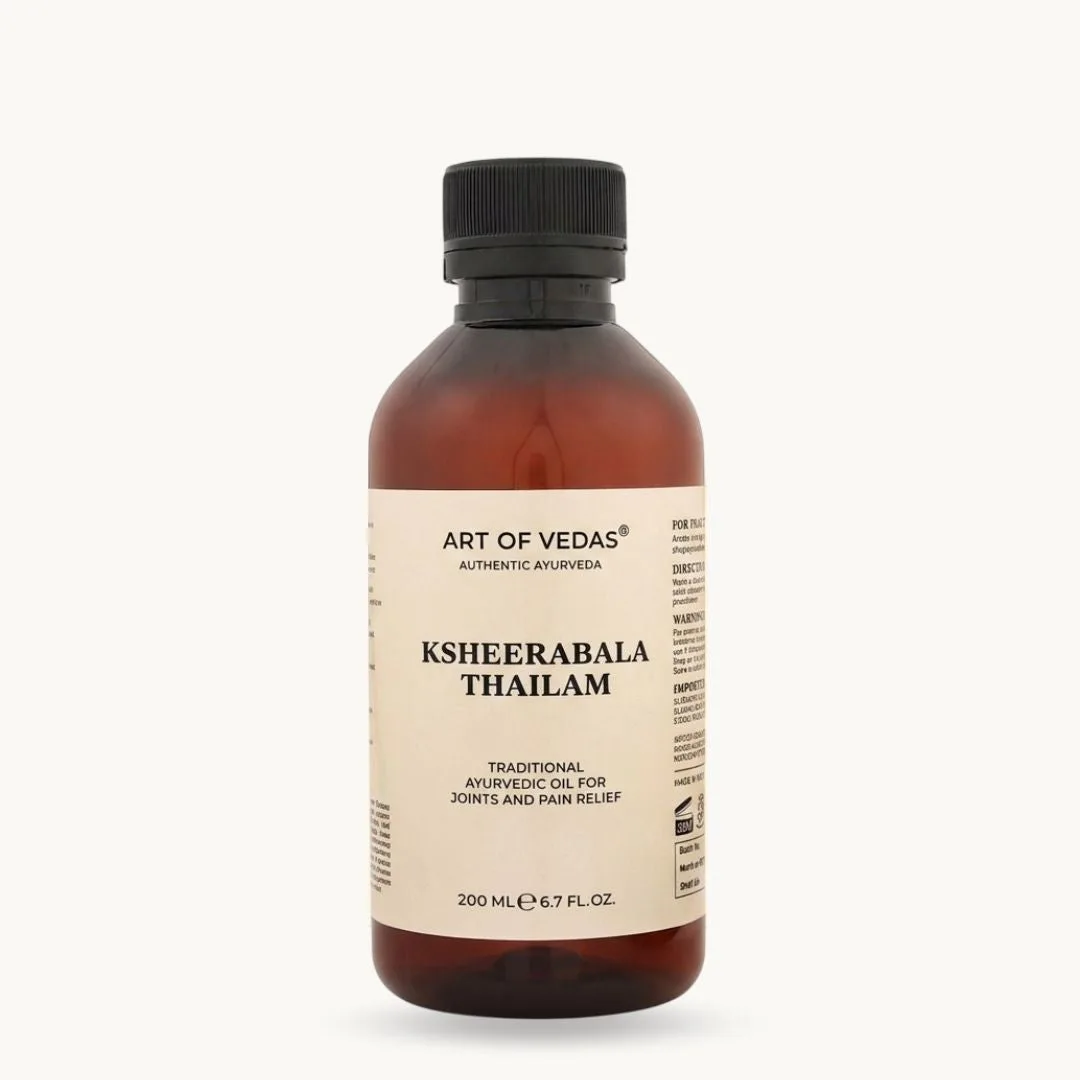
Classical compound preparations like Dhanwantharam Thailam, Eladi Thailam, Mahanarayana Thailam, Anu Taila and Ksheerabala Thailam are not marketing names we attached to formulas we created. They are named preparations described in classical texts, with defined ingredient lists, defined preparation methods and defined classical indications - formulations that have been prepared in Ayurvedic pharmacies in India for centuries.
The Art of Vedas range is built around these classical preparations. Where we have developed or adapted formulas, we are transparent about that distinction.
India Sourcing, European Standards
Our products are carefully made - specifically because India is where the authentic Ayurvedic manufacturing tradition exists. This is not a cost decision; it is a quality decision.
The herbs used in classical Ayurvedic preparations are grown in specific regions of India where the classical texts describe them as being most potent. Bala, Brahmi, Ashwagandha, Shatavari, Bilva, Usheera, Chandana - these herbs are grown and harvested in India, processed by Ayurvedic manufacturers who have maintained traditional preparation methods across generations.
What we insist on for European markets: carefully made manufacturing and compliance with European food supplement and cosmetics regulations. Traditional preparation methods and modern quality standards are not in conflict - they are both necessary.
Classical Preparation Methods Matter
The Ayurvedic preparation of a Thailam (medicated oil) is not a simple infusion of herbs in oil. The classical Taila Paka (oil cooking) process involves cooking the herb paste (Kalka), liquid vehicle (Kwatha - herbal decoction) and the oil base together over a defined period, at controlled temperatures, with specific tests to determine when the preparation is complete.
This process - slow, labour-intensive, difficult to industrialise - is what creates the genuinely medicated oil described in classical texts. The herbs are not added to the oil. They are cooked into it, over time, until the pharmacological properties of the herbs are carried in the oil itself.
Shortcuts exist. Manufacturers can add herbal extracts to an oil base quickly and cheaply, and the resulting product will have herbal constituents in it. But it is not the same process, and classical Ayurvedic practitioners and text-based scholarship are clear about the distinction.
Art of Vedas oils are prepared using the classical Taila Paka method. This is not a small detail - it is the basis of what makes a classical Thailam what it is.
The Range We Have Built
22 classical Ayurvedic Thailams and body oils - covering the primary Vata, Pitta and Kapha oil applications, specific joint and muscle preparations, facial oils and scalp oils.
Kansa ritual tools - Kansa wands, body tools and accessories cast in authentic Kansa alloy (copper, tin and zinc), in partnership with traditional craftsmen who have maintained this craft tradition.
Classical Ayurvedic supplements - Rasayana herbs and classical supplement preparations including Ashwagandha, Shatavari, Triphala, Brahmi and compound preparations, carefully selected.
Nasya oils and nasal care - Anu Taila prepared according to the classical compound formula.
The Kansa Tools: Craft and Material Science
Our Kansa wands and tools are made in partnership with traditional artisans in India who have worked with Kansa alloy for generations. The alloy composition matters - the specific ratios of copper, tin and zinc that define Kansa produce a material with distinct properties from standard bronze or copper tools.
The hand-casting process, the finishing and the final weight and balance of each tool are the result of craft knowledge that cannot be replicated by mass manufacture. Every wand in our range has been individually cast and finished.
Read more about Kansa and why the alloy matters
The Practitioners Behind the Products
Art of Vedas was founded in connection with the European Ayurvedic clinical community. Our founders are not marketing professionals who discovered Ayurveda - they have direct and sustained engagement with classical Ayurvedic clinical practice and with the European practitioner community that applies it.
This is why our AYUSH-certified doctor consultation service exists as part of the Art of Vedas offering - not as an add-on, but because the clinical consultation is central to how Ayurveda actually works. Products without guidance are less effective. Guidance without quality products is incomplete.
What We Do Not Claim
We do not claim that our products treat, cure, prevent or diagnose any medical condition. This is a legal requirement in Europe, and also the correct description of what Ayurvedic products are.
Ayurveda is a system of health maintenance, constitutional balance and prevention - it is not a pharmaceutical system making acute treatment claims. Classical Ayurvedic texts describe the properties of herbs and preparations in terms of their effects on Dosha, Agni, Dhatu and Srotas - a pharmacological framework that does not map directly onto contemporary disease-language.
When we say a preparation is "traditionally used in Ayurveda to support" something - that is the accurate description. It is not hedging. It is classical Ayurvedic framing.
Starting Your Ayurvedic Practice
The most important thing to understand about Ayurvedic products is that they are most effective within the context of a practice - a daily routine, constitutional awareness and some understanding of how the tools fit together.
Start here: Discover your Dosha type with our free assessment.
Understand your constitution: Complete guide to the three Doshas and what they mean for daily life.
Begin with the daily practice: The complete Dinacharya guide - Ayurvedic daily routine.
Get personal guidance: Book an online consultation with an AYUSH-certified Ayurvedic doctor. Available from anywhere in Europe.
For Practitioners and Wholesale Enquiries
Art of Vedas supplies Ayurvedic practitioners, clinics, spas and yoga studios across Europe through our dedicated wholesale platform.
Practitioners working with patients in Panchakarma and clinical Ayurveda will find the full classical range - including practitioner-grade preparations and bulk formats - on our wholesale platform at shopayurveda.eu.