Important Disclaimer: Art of Vedas products are for external use only and are not medicines. They do not treat, cure, or prevent any disease or medical condition. This guide reflects traditional Ayurvedic knowledge and general product quality information.
If you search for "Ayurvedic face oil" in Europe today, you will find hundreds of products. Oils with Sanskrit names. Oils with gold packaging and classical-sounding claims. Oils priced anywhere from €9.99 to €149. Oils that contain one Ayurvedic-sounding ingredient in an otherwise entirely conventional cosmetic base. Oils that reproduce the label of a classical formula while sharing essentially nothing with the classical preparation beyond the name.
The market has expanded faster than consumer knowledge has developed to evaluate it. And because the gap between a genuinely prepared classical Ayurvedic medicated oil and a well-marketed conventional face oil with an Ayurvedic brand identity is not visible from the outside, the buyer has almost no reliable signal from appearance alone. This guide gives you that signal.
Why Authenticity in Ayurvedic Oil Preparation Matters
Classical Ayurvedic medicated oil preparation - the process called Sneha Paka Vidhi - is a three-component cooking process in which the base oil (almost always sesame for facial preparations), a paste of fresh herbs (kalka), and a herbal water decoction (kwatha) are cooked together at carefully controlled temperature over an extended period. As the water slowly evaporates, the oil-soluble compounds from the herbs are drawn progressively into the base oil, until all water has evaporated and the oil is fully saturated with concentrated herbal compounds.
The result of this process is categorically different from simply blending essential oils or plant extracts into a carrier oil. The Sneha Paka process concentrates the full spectrum of oil-soluble botanical compounds from each herb - not just isolated active compounds selected for extraction. It produces a chemical integration between the herbal compounds and the base oil. It creates a medicated oil whose properties are the sum of the properties of all its components. And it maintains the classical polyherbalism principle throughout: the 25 or 30 herbs in a classical formula interact with each other during the cooking process, not just on the skin surface after application.
A conventional cosmetic manufacturer adding botanical extracts to a carrier oil produces a botanically enriched cosmetic. Sneha Paka Vidhi produces a genuinely medicated oil. Both have their value - but they are not the same thing, and calling both "Ayurvedic" misrepresents one of them.
The European Ayurvedic Oil Market: What You Are Actually Finding
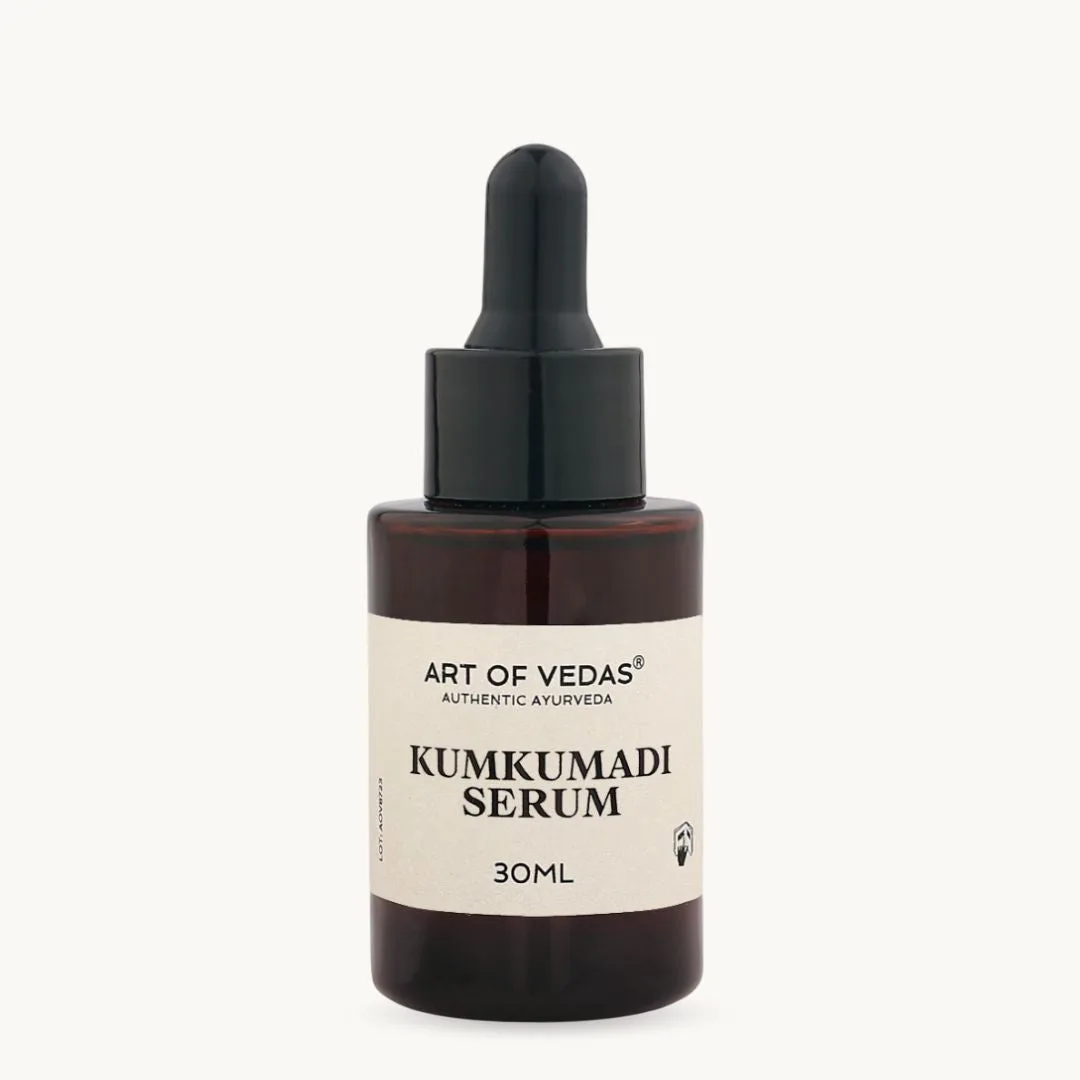
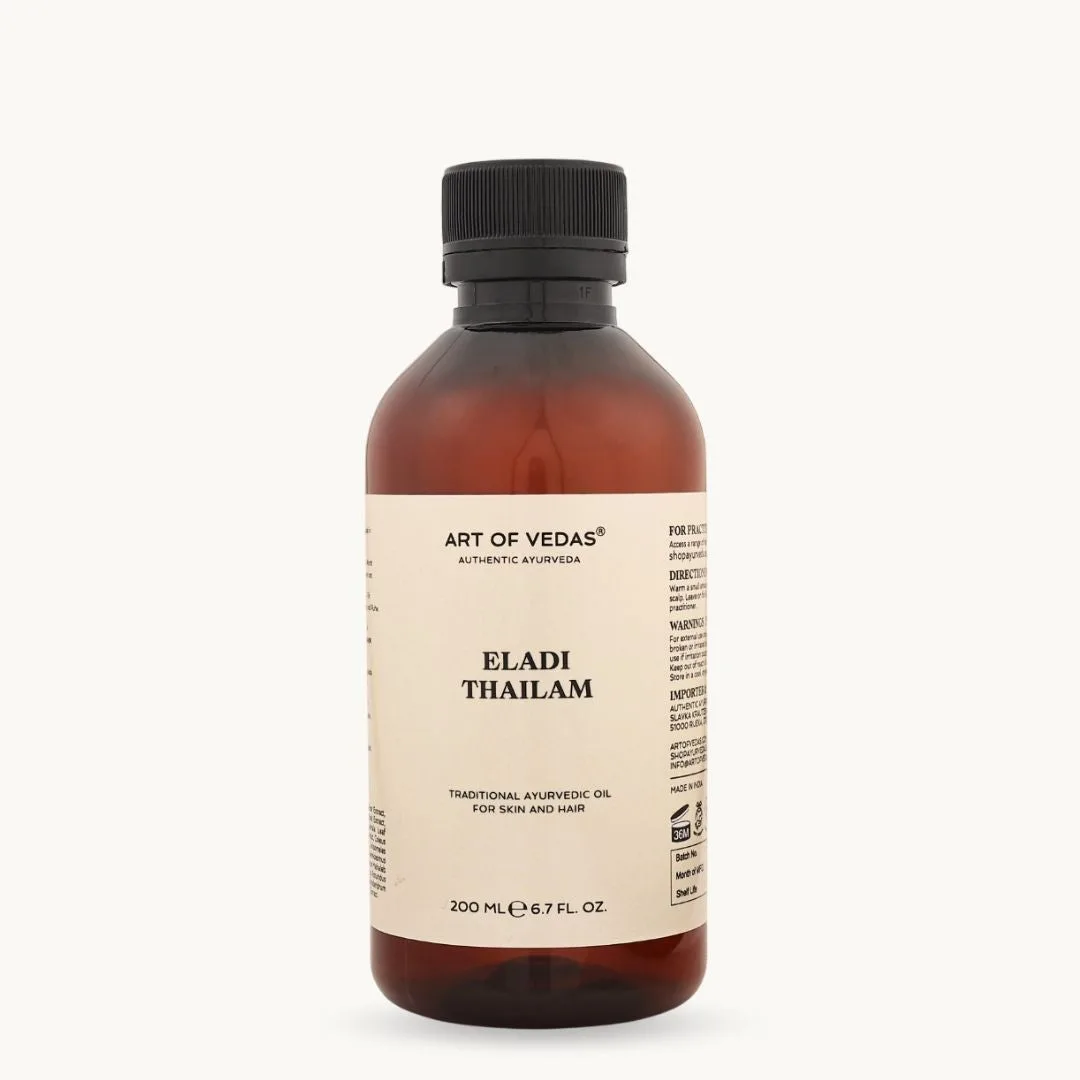
Category 1 - Genuine classical preparations: A small number of European Ayurvedic brands source genuinely prepared classical medicated oils - either carefully made by traditional Ayurvedic pharmacies and imported, or produced in Europe under the supervision of qualified Ayurvedic practitioners. These products typically have ingredient lists that match classical formulas (often 15 to 30+ botanical components), a characteristic appearance reflecting the cooking process (deep amber or golden colour, opaque or slightly turbid from botanical residues), and an aromatic complexity that synthetic alternatives cannot fully replicate. Art of Vedas Eladi Thailam, Kumkumadi Serum, and the full range in our Thailams collection fall into this category.
Category 2 - Well-intentioned simplified versions: Products containing genuinely good quality botanical ingredients but using conventional cosmetic preparation methods rather than classical Sneha Paka. Not fraudulent - they may be honest about their preparation - but providing a different and generally less therapeutically complete experience than classical preparations.
Category 3 - Brand identity without substantive authenticity: The largest category in the European market: products that use Ayurvedic naming conventions and Sanskrit terminology while containing minimal authentic Ayurvedic content - conventional facial oils with a single Ayurvedic-sounding ingredient added for labelling purposes, or synthetic fragrances designed to evoke classical preparations. Not inherently harmful as skincare products on their own terms, but not Ayurvedic in any meaningful sense.
The Six Questions to Ask Any Ayurvedic Oil Brand
1. How is it prepared? Is it Sneha Paka (classical oil cooking) or a blend? This is the most fundamental question. Ask directly or look for clear information on the brand's website. If the brand cannot or will not explain their preparation process clearly, that is informative in itself.
2. How many botanical ingredients does it contain? Classical Ayurvedic facial preparations typically contain 15 to 35 individual botanical components. A formula claiming to be Kumkumadi Thailam or Eladi Thailam with fewer than 10 ingredients is almost certainly not the classical preparation.
3. Are the ingredients classical? Do they match what the traditional texts describe? A genuine Eladi Thailam formula should contain Ela (cardamom) as its lead herb. A genuine Kumkumadi formula should contain genuine saffron (Crocus sativus) as its central ingredient alongside Chandana (sandalwood), Padmaka, Manjishtha, and the other classical varnya herbs. If the ingredient list does not match the classical formula that the product claims to be, it is not that product.
4. Where are the ingredients sourced from? Quality herb sourcing - freshness, seasonal harvesting, part of the plant used, and growing conditions - is directly reflected in the quality of the prepared oil. Brands genuinely committed to classical authenticity typically have transparent sourcing information.
5. Is the brand's knowledge base authentic? Look at how the brand talks about its products. Do they use classical Ayurvedic terminology correctly? Do they reference the actual classical texts - Ashtanga Hridayam, Sahasrayogam, Charaka Samhita - rather than vague references to "ancient Ayurvedic tradition"? Across the Art of Vedas site - from the classical text citations in our Eladi Thailam complete guide to the ingredient analysis in our ingredients guide to the classical references in our saffron guide and sandalwood article - we explain the classical framework because we have genuinely engaged with it.
6. Is the brand EU-compliant in how it talks about its products? Authentic Ayurvedic brands operating responsibly in Europe should be making no medical claims - no disease names, no treatment promises, no cure language. They should frame products in terms of traditional use, wellness support, and ritual practice. A brand that makes specific medical claims about its Ayurvedic products is either not EU-compliant or not operating in good faith.
Art of Vedas: Our Core Facial Care Range
Eladi Thailam - the classical Ayurvedic daily facial oil, with cardamom (Ela) as the lead herb and 25+ botanical components prepared using traditional Sneha Paka Vidhi. The most comprehensive traditional Ayurvedic facial preparation for daily mukhabhyanga practice. Suitable for all skin types. For the complete product guide, ingredient breakdown, and classical text references, see our Eladi Thailam complete guide and ingredients guide.
Kumkumadi Serum - the classical Ayurvedic brightening serum, with genuine saffron (Crocus sativus) as the lead ingredient and the full classical Kumkumadi formula including sandalwood, manjishtha, padmaka, and the other classical varnya herbs. For targeted complexion support, 2 to 3 evenings weekly. For the full background, see our saffron for skin guide and Eladi vs Kumkumadi comparison.
Sesame Oil - cold-pressed, unrefined, the foundational carrier oil of the Ayurvedic practice - used for daily body Abhyanga, oil pulling, scalp care, and as a dilution base for medicated oil preparations. See our sesame oil for face guide for the complete background.
The Complete Ritual System
Beyond core facial oils, Art of Vedas offers the complete set of traditional ritual tools and preparations that give the mukhabhyanga practice its full classical dimension.
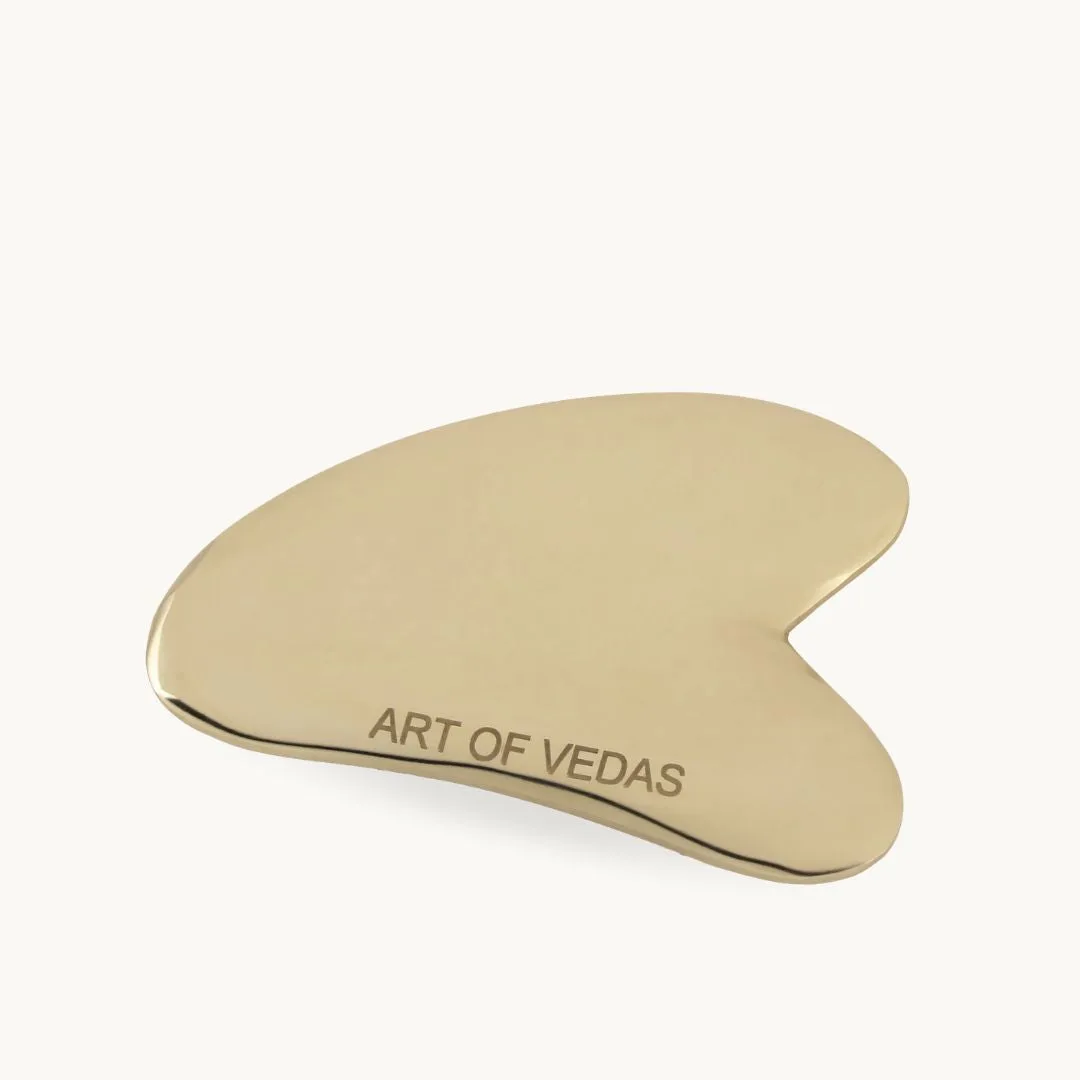
Kansa Tools Collection - Traditional Kansa wands, Kansa Gua Sha tools, and Kansa body massage tools made from the classical Ayurvedic alloy of copper, tin, and zinc. The traditional physical instrument of mukhabhyanga, used over oil-prepared skin for the sustained, even pressure that fingers cannot replicate. For how to incorporate Kansa tools into your practice, see our facial Abhyanga guide and the complete skincare routine guide.
Nasya Collection - Traditional Ayurvedic nasal oils for the morning Nasya practice. The classical daily nasal oil application described in dinacharya as an essential complement to mukhabhyanga for complete head-care. Nasya and mukhabhyanga together form the classical Ayurvedic daily head-care ritual; each amplifies the other's effect.
Oral Care Collection - Copper tongue scrapers, oil pulling preparations, and traditional Ayurvedic oral care products for the morning dinacharya sequence. Tongue cleaning and oil pulling are the first practices of the traditional Ayurvedic morning - the foundation on which mukhabhyanga and the rest of the day's practices are built.
Hair Care Collection - Traditional Ayurvedic scalp and hair oils for Shiro Abhyanga (head and scalp massage) - the classical weekly hair care practice that complements the daily mukhabhyanga ritual in the full Ayurvedic head-care system.
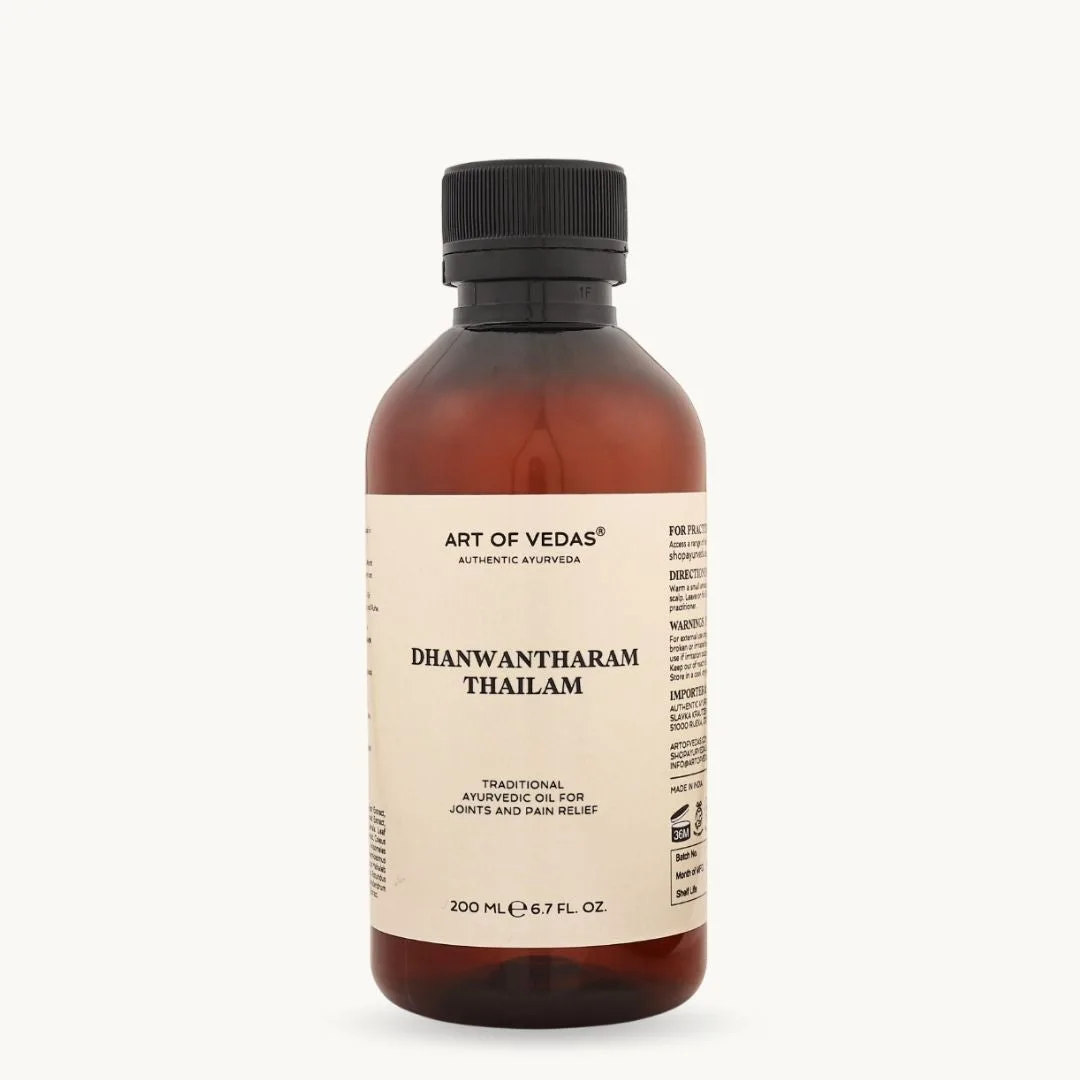
Traditional Ayurvedic Oils and Thailams - The full range of classical Ayurvedic medicated oils for facial care, body Abhyanga, and specialised traditional applications. Each preparation follows its classical formula as described in the Ayurvedic pharmacopoeia.
The Mukhabhyanga Ritual: Why Practice Is as Important as Product
Mukhabhyanga - the traditional Ayurvedic facial Abhyanga - is not a technique for applying skincare products. It is a complete therapeutic ritual documented in classical texts for its effects on skin health, lymphatic drainage, microcirculation, marma point activation, and nervous system regulation. The oils are the vehicle through which the practice delivers its benefits - they do not deliver those benefits on their own, applied without the practice.
A genuine Eladi Thailam applied through a consistent, skilled mukhabhyanga practice produces entirely different results from the same oil dabbed on after showering. Classical texts understood this; so does anyone who has maintained a genuine daily mukhabhyanga practice for eight weeks or more and observed the difference from any previous skincare routine.
The mukhabhyanga ritual involves: warm oil (always warmed, never applied cold - the warming activates the aromatic compounds and enhances penetration), applied to clean, slightly damp skin, with the specific stroke directions of classical facial Abhyanga (neck upward and outward, jaw drainage, cheek lifts, gentle eye area work, forehead strokes, scalp), with sustained, intentional engagement of the face's marma points (the vital energy centres of classical Ayurvedic anatomy), and ending with the held contact and slow breathing that allow the parasympathetic nervous system shift - the move from alertness to deep rest - that classical texts describe as essential to the practice's full therapeutic effect.
For the complete step-by-step mukhabhyanga technique, the full marma point sequence, variations by skin type and season, and guidance on building from a 5-minute daily practice to the full 20-minute evening ritual, see our facial Abhyanga complete guide - the most important single resource on the Art of Vedas site for anyone beginning an Ayurvedic facial care practice.
Starting Your Practice: The Most Practical Path
Start with Eladi Thailam and the basic mukhabhyanga. The essential practice: warm the oil, apply to clean skin, massage upward from the neck for 5 to 10 minutes every evening. Read our complete guide to Eladi Thailam to understand what you are working with and why.
Add Nasya to your mornings. Two minutes, 2 to 3 drops each nostril. The classical head-care routine becomes immediately more complete once Nasya is added alongside the evening mukhabhyanga.
Add oral care. Tongue cleaning with a copper scraper from our oral care collection is 60 seconds that belongs at the start of every morning in the classical dinacharya.
Add a Kansa wand once the evening oil practice is established - typically after 4 to 6 weeks. The wand extends and deepens what the hands can do in mukhabhyanga, and its addition marks the move from a basic to a genuinely comprehensive classical facial practice.
Introduce Kumkumadi Serum 2 to 3 evenings per week as a first-layer brightening treatment once you are comfortable with the full mukhabhyanga routine. This is the targeted addition that completes the most comprehensive classical Ayurvedic facial care system available for home practice.
For the full framework integrating all of this into a coherent daily, weekly, and seasonal structure, see our complete Ayurvedic skincare routine guide. For anti-aging specific guidance, see our Ayurvedic anti-aging face oil guide.
Frequently Asked Questions
Can I buy Art of Vedas products across Europe?
Yes. Art of Vedas ships throughout the European Union and beyond via artofvedas.com for B2C customers. Our Shop Ayurveda EU platform serves Ayurvedic practitioners, spas, wellness centres, and wholesale buyers who want to offer authentic classical preparations to their clients and customers.
How do I know if Art of Vedas products are right for my skin?
Our Ayurvedic skincare by dosha guide provides the most comprehensive guide to matching your skin type and concerns to specific products and practice approaches. Our best Ayurvedic face oil guide addresses the product selection question directly. And our Eladi vs Kumkumadi comparison clarifies the choice between our two core facial preparations for those deciding where to start.
Are Art of Vedas products suitable for professional use?
Yes - professional-grade quantities, bulk pricing, and practitioner accounts are available through our B2B platform at shopayurveda.eu, designed for Ayurvedic practitioners, Panchakarma centres, spas and wellness facilities, yoga studios, and other professional wellness contexts.
Continue Exploring: The Complete Art of Vedas Facial Care Hub
- Eladi Thailam - Shop Now
- Kumkumadi Serum - Shop Now
- Sesame Oil - Shop Now
- Facial Abhyanga: The Complete Mukhabhyanga Guide
- The Complete Ayurvedic Skincare Routine
- Ayurvedic Skincare by Dosha
- The Best Ayurvedic Face Oil for Glowing Skin
- Ayurvedic Anti-Aging Face Oil
- Saffron for Skin and the Kumkumadi Tradition
- Sandalwood Oil for Skin
- Sesame Oil for Face: The Full Guide
- Eladi Thailam: The Complete Guide
- Eladi Thailam Ingredients: 25+ Herbs Explained
- Eladi Thailam vs Kumkumadi
- Kansa Tools - Facial and Body Massage
- Nasya - Ayurvedic Nasal Care
- Hair Care - Traditional Scalp Oils
- Oral Care - Morning Ritual Tools
- All Ayurvedic Oils and Thailams
- Shop Ayurveda EU - Wholesale and Practitioner Platform
Explore more in this series
- Buying Ayurvedic Products in Europe: A Guide to Authentic Quality
- Ayurveda Shop: What Makes Authentic Ayurvedic Products Worth Buying
- Ayurvedic Products in Austria: Complete Buying Guide
- Ayurvedic Products in Germany: Complete Buying Guide
- Ayurvedic Products in Scandinavia: Buying Guide for Sweden, Norway, Denmark and Finland
- Ayurvedic Products in Switzerland: Complete Buying Guide
- Ayurvedic Products in the Netherlands: Complete Buying Guide
- Ayurvedic Products in the UK: Buying Guide and Wholesale Access
- How to Choose Authentic Dhanwantharam Thailam: A Buyer’s Guide
- How to Choose Authentic Ayurvedic Massage Oils in the UK