This article is part of our Where to Buy Authentic Ayurvedic Oils in Europe: How to Tell the Real Thing from the Imitation guide series.
The information in this article is provided for educational purposes and reflects traditional Ayurvedic knowledge. It is not intended as medical advice and should not replace consultation with a qualified healthcare professional.
In brief: Not every Ayurveda shop sells real Ayurveda. The category covers everything from classical therapeutic oils prepared according to ancient formulas to mass-market body care products with Sanskrit names and no authentic content. Knowing the difference matters - both for efficacy and for supporting genuine Ayurvedic manufacturing traditions. This guide explains what separates an authentic ayurveda shop from wellness marketing dressed in traditional language.
The European Ayurveda market has grown substantially over the past decade. Searches for ayurveda shop, ayurveda shop online and ayurvedische produkte kaufen together represent tens of thousands of monthly queries across Germany, Austria, Switzerland and the Netherlands. Behind this demand is a genuine interest in classical Ayurvedic practice - oils, supplements, tools and rituals that reflect the authentic tradition. What the market delivers in response to this demand is, unfortunately, highly variable.
An ayurveda marktplatz today can contain authentic classical Thailams prepared by centuries-old classical manufacturers sitting alongside products that simply use Indian packaging and Sanskrit terminology to suggest Ayurvedic credibility. The products look similar on a screen. The experience - and the value - are entirely different. Understanding how to distinguish them is not difficult once you know what to look for.
What Authentic Ayurvedic Products Actually Are
Classical Ayurveda is a medical system documented in texts that are between 1,500 and 3,000 years old. The Charaka Samhita, Ashtanga Hridayam, Sahasrayogam and Bhaishajya Ratnavali are not marketing documents - they are clinical pharmacopoeias describing precise formulas, preparation methods, ingredient ratios and applications. When a product claims to be classical Ayurvedic, this is a verifiable claim: either the formula is documented in these texts, prepared according to traditional methods, and manufactured under the oversight of qualified Ayurvedic physicians, or it is not.
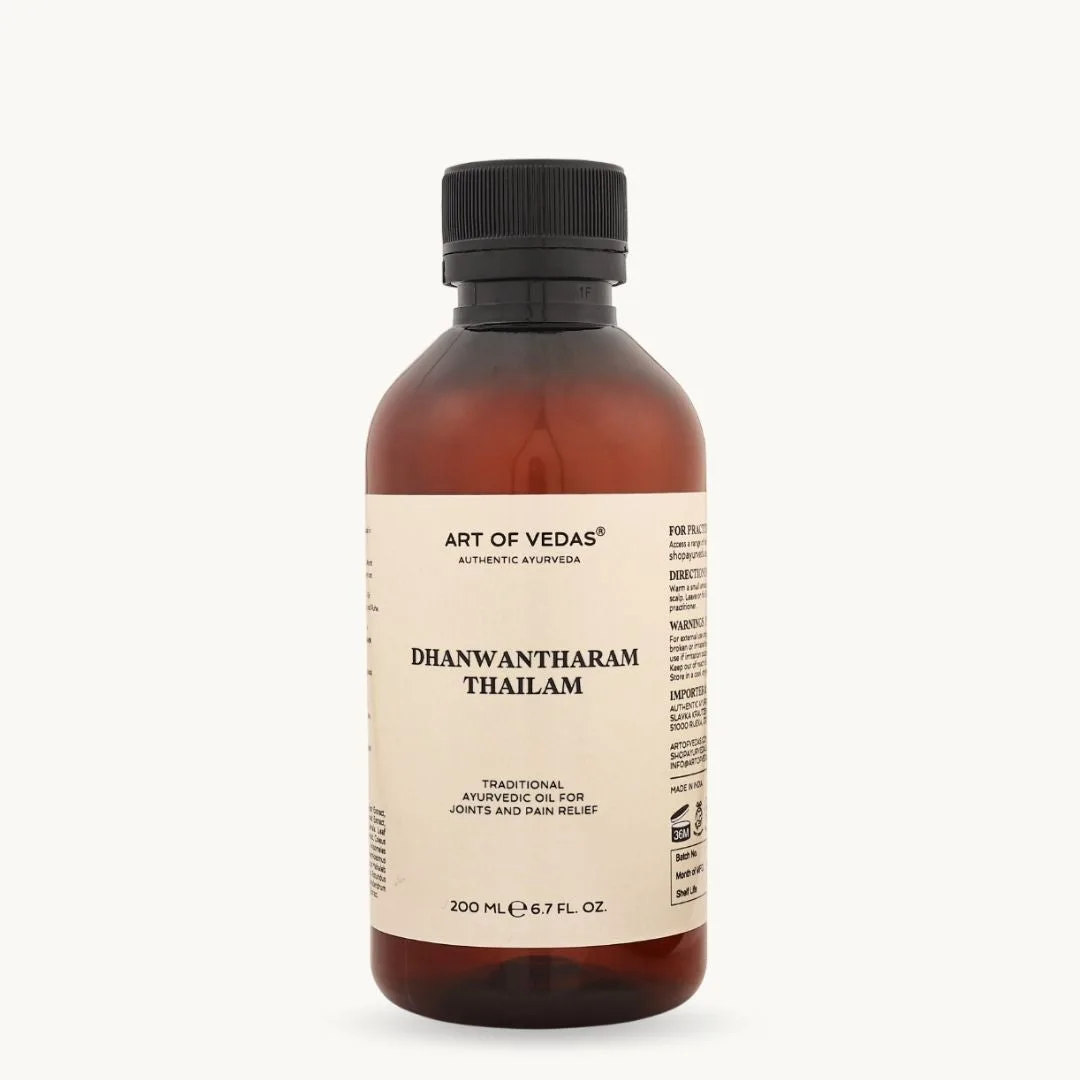
The gold standard for ayurveda produkte is the carefully made Ayurvedic trusted makers, or, where traditional manufacturing has been practised continuously across generations. These manufacturers - some of them operating for over a century - work under the oversight of AYUSH (the Indian Ministry of Ayurveda, Yoga and Naturopathy) and produce formulas whose preparation methods are documented step by step according to classical guidance. A Dhanwantharam Thailam produced by such a manufacturer and a product labelled "Ayurvedic massage oil" produced in a European cosmetics factory are not in the same category, regardless of how they are presented.
The Ayurveda Shop Checklist: Five Questions Worth Asking
When evaluating an ayurveda shop online or a specific product, five questions cut through the marketing to what actually matters.
First: who manufactured this product? A genuine Ayurvedic product should name its manufacturer, and that manufacturer should be traceable - ideally a carefully made Ayurvedic pharmacy with documented history. If a shop cannot or will not tell you who made its products, that is significant information. The manufacture of classical Ayurvedic oils and supplements is a skilled, regulated process in India. The manufacturer's identity is not proprietary information to be hidden - it is a mark of quality.
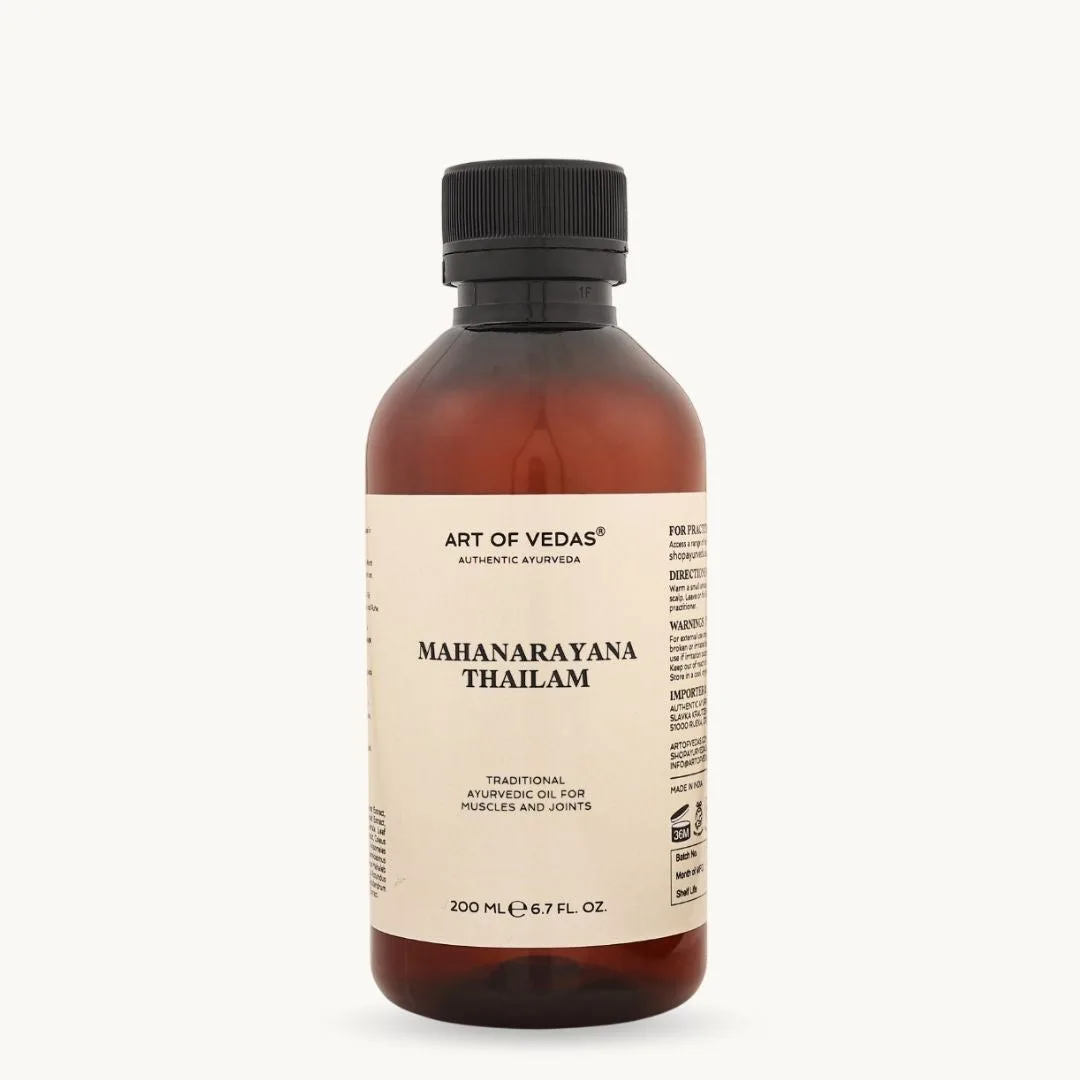
Second: does the product name correspond to a classical formula? Classical Ayurvedic product names are not invented - they are drawn directly from the classical texts. Dhanwantharam Thailam, Mahanarayana Thailam, Kshirabala Thailam, Triphala Churnam, Chyawanprash - these are formula names with documented lineage, specific ingredient lists and specific applications described in the classical texts. An ayurveda shop that sells "Vata Balance Oil" or "Pitta Soothing Blend" with no classical name is selling something invented, not classical.
Third: what is the ingredient list? A classical Ayurvedic Thailam contains between 15 and 60 herbs cooked into a base oil with milk and herbal decoctions. The ingredient list should reflect this complexity. A product with three or four ingredients is not a classical Thailam, regardless of what it claims. Classic ayurveda shop products are complex and specific.
Fourth: does the shop understand EU compliance? Authentic Ayurvedic products sold in Europe must comply with EU cosmetics regulation (for topical products) and EU food supplement law (for internal preparations). A genuine ayurveda shop online will use careful, compliant language - "traditionally used in Ayurveda to support..." - rather than disease claims or medical language. Paradoxically, appropriate restraint in claims is often a marker of authenticity: companies that understand what they are selling know they cannot make pharmaceutical claims.
Fifth: can you speak to someone with genuine Ayurvedic knowledge? A serious ayurvedische produkte kaufen experience should involve the ability to ask questions and receive informed answers. What is the classical application of this Thailam? Which constitution is it most suited for? How is it prepared? These are basic questions that a genuine Ayurveda specialist can answer without difficulty.
The Manufacturer Question: Why It Is the Most Important Variable
The most significant quality variable in ayurveda produkte kaufen is not the shop - it is the manufacturer. Two bottles of Dhanwantharam Thailam sitting on the same shelf at the same price can represent completely different products if one comes from a traditional manufacturer and the other was produced by a company without Ayurvedic manufacturing expertise.
Traditional Ayurvedic oils are prepared through a specific cooking process described in detail in the classical texts: the base oil is slowly heated with herbal pastes (Kalka), herbal decoctions (Kashayam), and often milk (Kshira). The Sahasrayogam describes this process for hundreds of individual formulas. The temperature, duration, sequence and ratios are all specified. Shortcutting this process - using dried herb extracts steeped in oil rather than the full traditional cooking method - produces a product that looks identical and may have some herbal content but is fundamentally different from the classical preparation.
Art of Vedas works directly with established carefully made Ayurvedic manufacturers in classical - the historic heartland of classical Ayurvedic medicine and manufacturing. Every product in the range corresponds to a classical formula with documented lineage. This is not marketing language - it is a basic commitment to the tradition the brand represents.
Frequently Asked Questions
How do I identify a genuine ayurveda shop online in Europe?
A genuine ayurveda shop online can be identified by several consistent markers. It names its manufacturers - specifically, carefully made Ayurvedic pharmacies in India with documented manufacturing history. It uses classical formula names drawn from the Charaka Samhita, Ashtanga Hridayam or Sahasrayogam rather than invented product names. Its ingredient lists are complex, reflecting the genuine multi-herb composition of classical preparations. Its product descriptions use classical language and compliant framing ("traditionally used in Ayurveda to support...") rather than medical claims. And it can answer specific questions about the classical application and constitution-appropriateness of its products. If a shop cannot satisfy these basic criteria, it is selling wellness aesthetics rather than genuine Ayurveda.
What is the difference between classic ayurveda shop products and generic wellness products?
Classic Ayurveda shop products - genuine classical preparations - are distinguished from generic wellness products by formula lineage, preparation method and manufacturer accountability. A classical Dhanwantharam Thailam is a specific formula with 28 ingredients, a specific preparation process described in the Ashtanga Hridayam, and a specific application for Vata-related conditions. A generic "Ayurvedic massage oil" may contain sesame oil and a few herbs, is labelled with Indian design aesthetic, and has no connection to any classical text or traditional manufacturing process. The difference is not subtle once you understand the classical framework. Generic wellness products may still be pleasant and useful as body care, but they are not Ayurveda in the clinical, traditional sense.
Does an ayurveda shop need to be based in India to sell authentic products?
No - what matters is not where the shop is based but where the products are manufactured, and by whom. A European Ayurveda shop that sources directly from carefully made classical Ayurvedic trusted makers, with the advantage of EU-compliant labelling, verified import documentation, and local customer service. The key questions are: who manufactured the product, what is the manufacturer's track record and certification status, and does the formula correspond to a classical preparation? Where the shop is based is secondary to these manufacturing quality questions.
What certifications should I look for when buying ayurvedische produkte?
For ayurvedische produkte, the most meaningful certification is GMP (Good Manufacturing Practice) certification for the manufacturer - specifically AYUSH carefully made for Ayurvedic trusted makers, which indicates compliance with traditional manufacturing standards under Indian regulatory oversight. For products sold in the EU as cosmetics, CE compliance with EU Cosmetics Regulation 1223/2009 is required, including safety assessment and product information files. For food supplements, compliance with EU Directive 2002/46/EC and notification to national food safety authorities is required. Organic certification (for herb sourcing) adds a further quality layer. No certification alone is sufficient - a carefully made manufacturer producing a non-classical formula still produces a non-classical product. Certification is a floor, not a ceiling.
Shop Authentic Ayurvedic Products at Art of Vedas
Art of Vedas is a European Ayurveda shop built on direct relationships with classical Ayurvedic trusted makers. Every product corresponds to a documented classical formula - Thailams, Kuzhambus, Churnams, Ghrithams and supplements prepared according to traditional methods by manufacturers with generations of expertise. Explore the full range of ayurveda produkte across all categories, including the classical Thailam collection, Ayurvedic supplements, and Kansa ritual tools. For a deeper understanding of what makes a product genuinely classical, the Ayurvedic supplements guide and the guide to authentic Ayurvedic products in Europe provide detailed context.