This article is part of our Ayurvedic Fasting: Classical Approaches to Periodic Cleansing guide series.
"Detox" is perhaps the most commercially inflated term in the wellness industry, and Ayurveda has not escaped this inflation. Juice cleanses, supplement protocols, and spa packages routinely carry the "Ayurvedic detox" label, yet classical Ayurvedic texts describe purification with a specificity and rigour that bears little resemblance to most modern products marketed under this term.
Understanding what classical Ayurveda actually means by purification - and what it does not mean - helps distinguish effective practice from marketing, and reveals a graduated system of cleansing that ranges from simple daily practices to intensive clinical procedures.
The Classical Framework: Shamana vs Shodhana
Classical texts distinguish two approaches to managing accumulated waste:
Shamana (pacification): The gentler, daily approach. Diet, routine, herbs, and lifestyle practices that prevent Ama accumulation and support the body's natural eliminative processes. Dinacharya, Triphala, dietary discipline, and Abhyanga are all Shamana practices. They maintain cleanliness; they do not deep-clean.
Shodhana (purification): The intensive approach - Panchakarma - which actively extracts deeply lodged Ama and excess Doshas from the tissues through specific clinical procedures under practitioner supervision. Shodhana is not a daily practice; it is a periodic intervention performed when accumulation has gone beyond what Shamana can manage.
Most of what is marketed as "Ayurvedic detox" falls somewhere between these categories - stronger than daily Shamana, weaker than clinical Shodhana - and classical texts would classify it as Langhana (lightening therapy), a middle ground that includes fasting, dietary simplification, and herbal support.
Level 1: Daily Detox Through Dinacharya
The most authentic and accessible "Ayurvedic detox" is not a programme at all - it is the daily practice of Dinacharya that prevents Ama from accumulating in the first place.
Tongue scraping: The copper tongue scraper removes overnight Ama deposits each morning - direct, physical elimination of visible metabolic waste.
Warm water: Sipping warm water throughout the day dissolves and flushes Ama from the digestive channels. The simplest, most universally applicable cleansing practice.
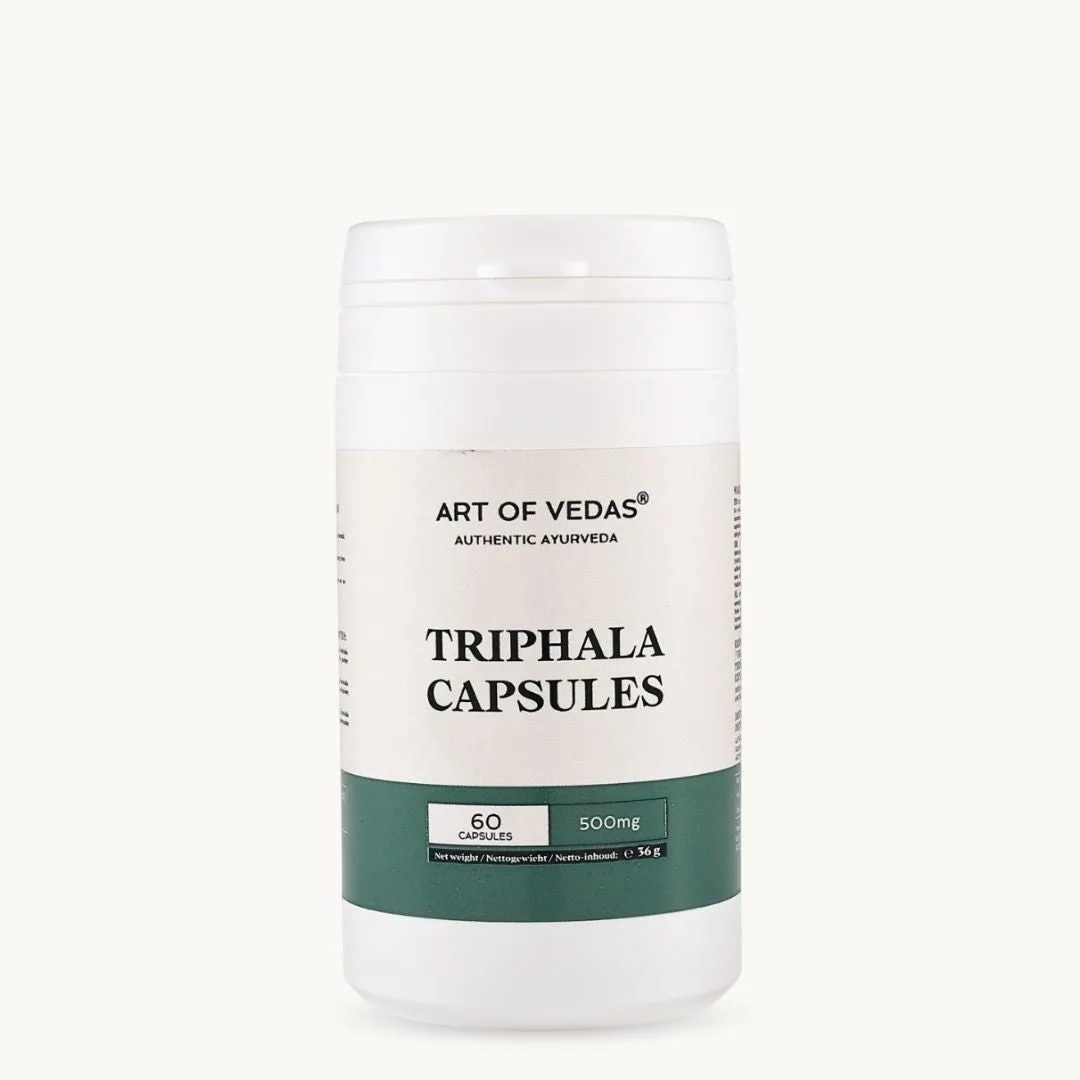
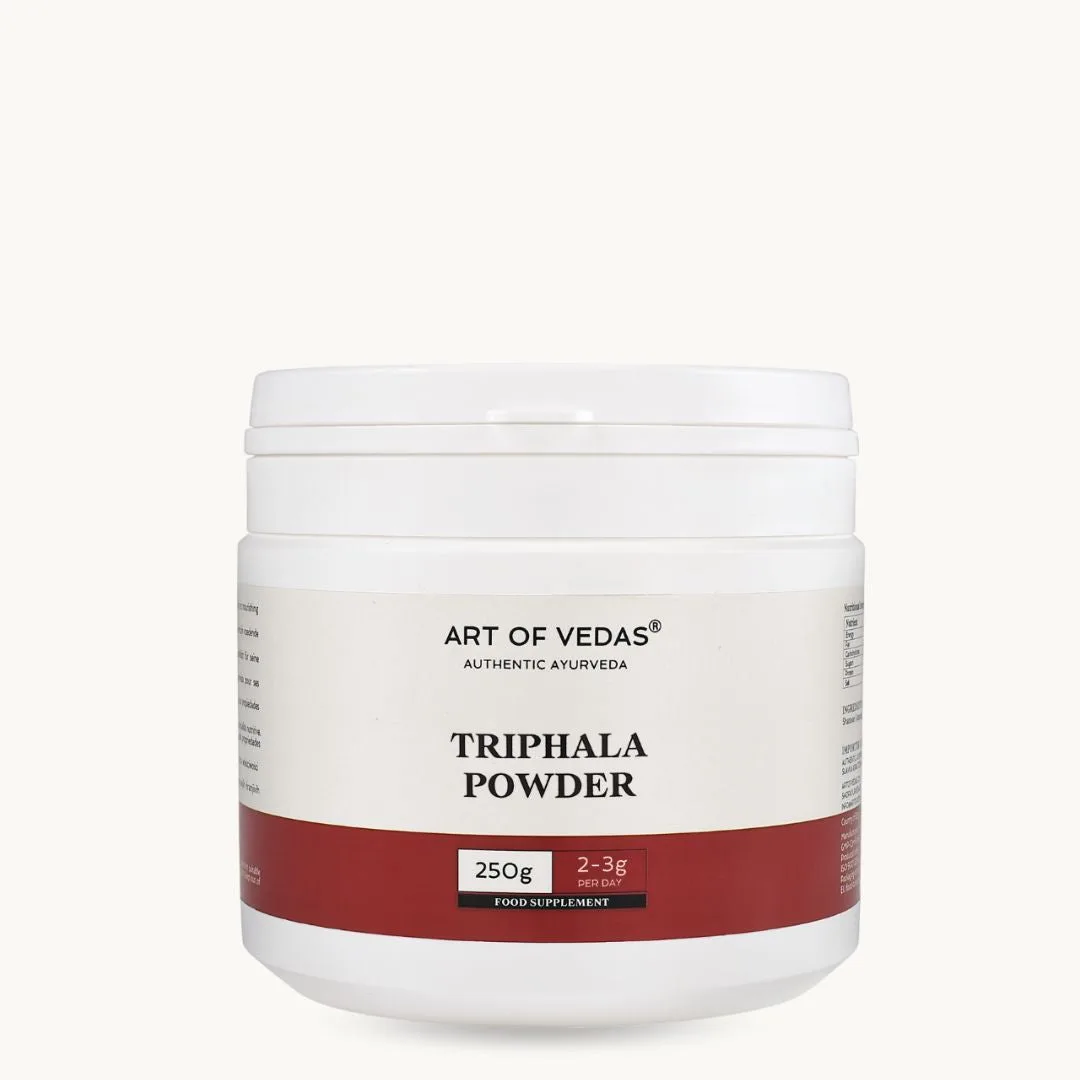
Triphala: Nightly Triphala supports gentle, complete bowel elimination - the body's primary Ama removal pathway.
Abhyanga: Daily warm oil massage supports lymphatic circulation and tissue-level waste clearance through the skin.
Adequate Agni: Eating properly - warm, cooked, at regular times, in appropriate quantity - prevents Ama from being produced in the first place. Agni that functions well produces no Ama. The best detox is prevention.
Level 2: Periodic Lightening (Langhana)
When Ama has accumulated despite daily Dinacharya - indicated by a thick tongue coating, heaviness after meals, sluggish elimination, dull complexion, and fatigue - a short-term lightening protocol helps the body clear the backlog.
Kitchari mono-diet: 1-3 days eating only kitchari (rice and mung dal with digestive spices). This provides adequate nutrition while giving Agni the simplest possible workload, allowing it to clear accumulated Ama. The classical "Ayurvedic cleanse" - simple, safe, and effective.
Increased spice therapy: Ginger tea, Trikatu before meals, and warming spices in food for 1-2 weeks to stimulate sluggish Agni.
Reduced intake: Eating less, eating lighter, or periodic meal-skipping to allow Agni to process the backlog before adding new material.
The spring cleanse guide covers the seasonal application of this approach during Kapha season.
Level 3: Clinical Panchakarma (Shodhana)
The full Panchakarma system - preparation, five procedures, post-procedural care - represents the deepest level of classical purification. This is medical treatment requiring clinical expertise and cannot be self-administered safely.
What "Ayurvedic Detox" Is NOT
Classical Ayurveda does not prescribe extended juice fasting (fruit juice is not a cleansing food in classical terms), supplement-based "detox kits" (the herbs may be Ayurvedic but the protocol is modern), colonics or frequent enemas without clinical assessment, or extreme dietary restriction lasting more than a few days without practitioner supervision.
For guidance on the appropriate level and method of cleansing for your constitution and current condition, an Ayurvedic consultation provides the clinical assessment that ensures your cleansing approach is effective and safe.
Classical Ayurvedic knowledge for educational purposes. Not medical advice.