This article is part of our Agni: The Concept of Digestive Fire That Classical Ayurveda Places Above Every Other guide series.
The classical Ayurvedic position on digestion is uncompromising: Agni (the digestive fire) is the single most important determinant of health. The Charaka Samhita states it directly - when Agni functions well, all tissues are nourished, waste is eliminated, and vitality is maintained. When Agni is impaired, Ama (metabolic toxins) accumulate, tissues are malnourished despite adequate food intake, and the conditions for disease establish themselves.
This guide covers not what to eat (covered in the dosha-specific diet guides) but how to eat - the rules of eating that support Agni regardless of the specific food on your plate.
The Cardinal Rules of Eating
1. Eat Only When Genuinely Hungry
True hunger - a clear, physical signal from the stomach - indicates that the previous meal has been fully digested and Agni is ready for new fuel. Eating before the previous meal is digested forces Agni to process a mixture of half-digested and new food, producing Ama. Classical texts call this Adhyashana (eating over undigested food) and describe it as one of the primary causes of digestive disease.
The practical test: if you belch and taste or smell the previous meal, it is not yet digested. Wait.
2. Eat at Regular Times
Each Dosha has a characteristic Agni pattern - Vata Agni is irregular (Vishama), Pitta Agni is sharp (Tikshna), Kapha Agni is slow (Manda) - but all types benefit from regular meal timing. Eating at the same times each day trains Agni to be active when food arrives. The most consistent recommendation across all classical texts: the main meal at midday, when both the sun and Agni are at peak strength.
3. Eat the Right Quantity
Classical texts describe the ideal meal size as filling one-third of the stomach with solid food, one-third with liquid, and leaving one-third empty for the movement of digestion. In practical terms: eat until comfortably satisfied, not until completely full. You should feel lighter and more energised after eating, not heavy and sleepy. If a meal induces drowsiness, it was too large, too heavy, or both.
4. Eat Warm, Cooked Food
Cooked food is easier for Agni to process than raw food. Warm food stimulates Agni; cold food suppresses it. This does not mean raw food is prohibited (Pitta types handle raw food well in summer), but the default recommendation - particularly for Vata and Kapha types - is warm, freshly cooked meals as the foundation.
5. Eat in a Calm, Seated Position
Eating while standing, walking, driving, working, or emotionally agitated diverts the body's energy away from digestion. Classical texts prescribe eating while seated, calm, attentive to the food, and in a pleasant environment. This is not merely etiquette - the parasympathetic nervous state required for optimal digestion only engages when the body is at rest and the mind is not under stress.
6. Do Not Drink Large Quantities with Meals
A small amount of warm water sipped during the meal supports digestion. Large quantities of liquid - particularly cold liquid - dilute the digestive secretions and cool Agni. The classical recommendation: sip warm water during the meal, drink freely between meals. The warm water guide covers the broader therapeutic use of warm water.
Food Combinations to Avoid (Viruddha Ahara)
Classical texts describe Viruddha Ahara - incompatible food combinations that produce Ama regardless of the individual quality of each food. The most frequently cited:
Milk and fruit: Milk requires a specific digestive environment (alkaline, slow) that clashes with fruit's acid, fast-digesting nature. Banana milkshakes and fruit smoothies with milk are classical examples of Viruddha Ahara.
Milk and fish: Opposing qualities (milk is cooling, fish is heating) that produce conflicting digestive signals.
Honey heated above body temperature: Heated honey is specifically described as producing Ama. Classical texts permit honey in warm drinks but not in cooking where it reaches high temperatures.
Cold food immediately after oily food: The cold suppresses Agni at the moment it needs maximum strength to process the heavy oil.
These principles are guidelines, not absolute prohibitions - a person with strong Agni and long habituation to a specific combination may tolerate what a weaker digestion cannot.
Supporting Practices
Morning tongue scraping: The copper tongue scraper removes overnight Ama accumulation from the tongue and stimulates Agni first thing in the morning.
Digestive spices: Ginger, cumin, coriander, fennel, black pepper, and other Ayurvedic digestive spices kindle Agni when added to food or taken before meals.
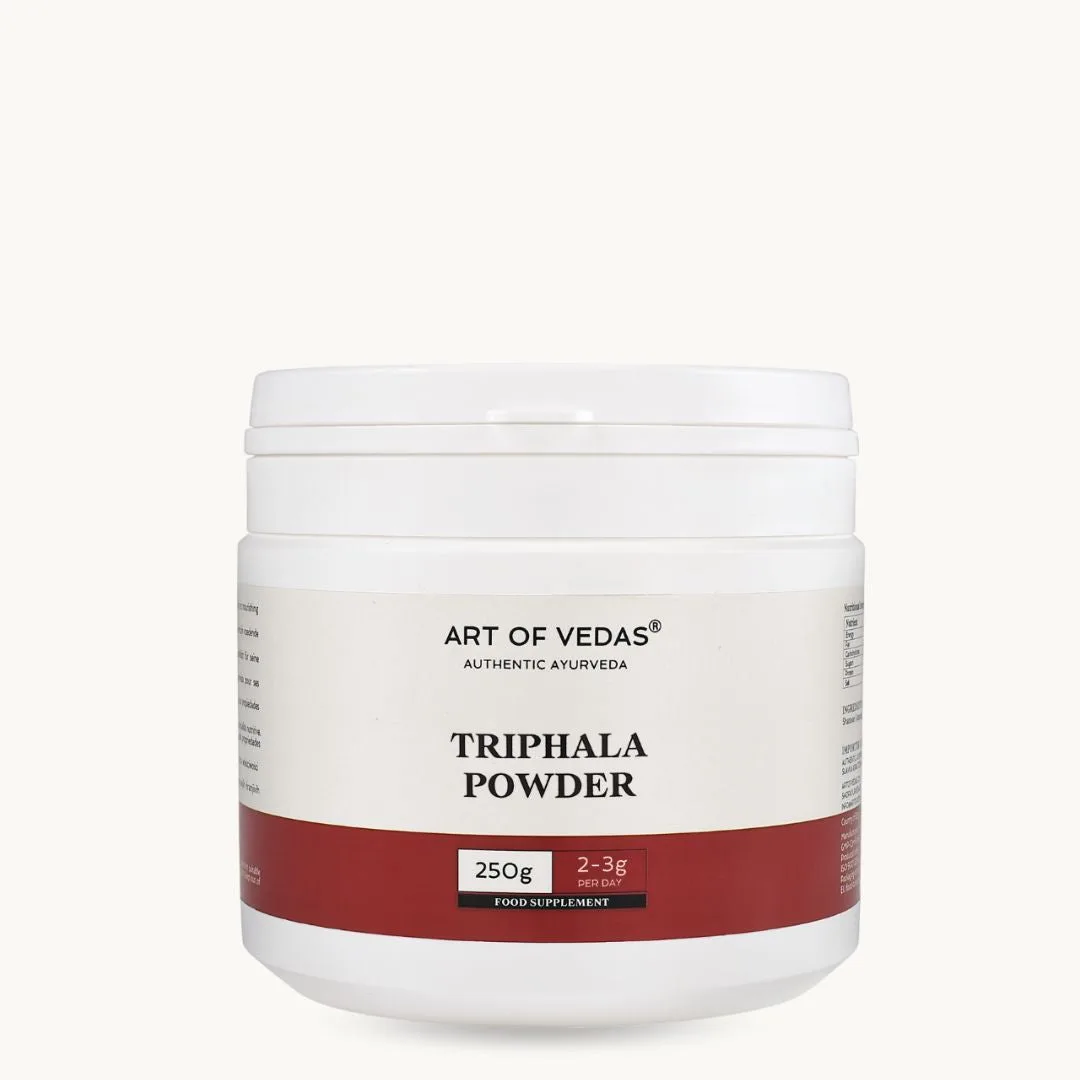
Triphala: Triphala taken before bed supports overnight elimination and gentle Agni maintenance.
Warm water: Sipping warm water throughout the day between meals supports digestion and Ama clearance.
Regular Dinacharya: The consistent structure of Dinacharya provides the rhythmic framework within which Agni operates most efficiently.
Signs of Healthy Agni
When Agni is functioning well: clear hunger at meal times, complete digestion without bloating or gas, regular elimination (one or two well-formed bowel movements daily), clean tongue (minimal coating), stable energy between meals, clear mind after eating, and a sense of lightness rather than heaviness post-meal.
If these signs are consistently absent, the digestive system may benefit from the targeted assessment an Ayurvedic consultation provides - identifying whether the issue is Vata irregularity, Pitta excess, or Kapha sluggishness and designing the appropriate intervention.
Classical Ayurvedic digestive principles for educational purposes. Not medical advice.