This article is part of our How to Balance Your Dosha: The Classical Ayurvedic Seasonal Approach guide series.
Winter occupies a paradoxical position in the Ayurvedic calendar - it is both the most demanding season externally and the most capable season internally. The cold, dark, heavy conditions challenge the body's warmth and resilience, but Agni - the digestive fire - burns at its annual peak. The Charaka Samhita explains the mechanism: as external cold contracts the body's surface, heat is driven inward, concentrating in the digestive system and producing the strongest appetite and most efficient digestion of the entire year.
This creates winter's defining opportunity: the capacity to nourish deeply. The heavy, rich, oily foods that would overwhelm summer's gentle Agni are precisely what winter's roaring fire demands. The classical Ritucharya for winter is accordingly the most generous, nourishing, and indulgent of any season.
The Winter Body
Agni: At its annual peak. The Charaka Samhita warns that if this strong fire is not adequately fed, it will consume the body's own tissues - the internal fire, finding insufficient fuel from food, begins to digest Rasa Dhatu (the nutrient plasma). This is why winter appetite is genuinely stronger and why inadequate eating in winter produces rapid depletion.
Dosha pattern: Vata continues from autumn - external cold and dryness maintain Vata's presence, though the heavy, dense quality of deep winter also begins Kapha accumulation. The dual challenge: manage ongoing Vata while preventing excessive Kapha buildup that will liquefy in spring.
Tissue quality: The strong Agni and nourishing diet of winter build tissue reserves - this is the season when the Dhatu chain operates most efficiently, converting food into progressively refined tissue layers. What you eat in winter determines your tissue quality for the entire year ahead.
The Winter Nourishment Protocol
Eat Richly and Generously
This is the season for the most nourishing diet of the year. Warm, heavy, sweet, oily food - ghee generously on everything with spices at bedtime, root vegetables, wholegrains, nuts, soaked almonds, warm porridge, rich soups and stews, healthy fats at every meal. The Vata-pacifying diet provides the framework - warm, sweet, sour, salty - adapted with the understanding that winter's strong Agni can handle richness that other seasons cannot.
Warming spices become essential kitchen pharmacy: ginger, cinnamon, cardamom, clove, nutmeg, black pepper. These kindle Agni further, support circulation against the cold, and prevent the food stagnation that can occur when Kapha accumulates around a strong fire.
Oil Generously
Continue the daily Abhyanga that began in autumn, with increased oil quantity and warmth. Sesame oil remains the primary choice - its warming, penetrating quality directly counteracts winter's cold. Classical Vata-pacifying Thailams (Dhanwantharam, Mahanarayana, Ksheerabala) provide herbed enhancement.
The oil must be warm - heated gently until comfortable to the skin. Cold oil application in winter is counterproductive; it increases Vata rather than pacifying it. After application, allow the oil to absorb for at least 15 minutes before bathing - warm water, not hot (excessive hot water depletes the skin's natural oils that the Abhyanga just nourished).
Nasya daily - the combination of cold outdoor air and heated indoor air creates relentless nasal dryness. Anu Thailam or plain sesame oil in each nostril every morning protects the nasal passages and supports the respiratory system through the cold months.
Continue Rasayana
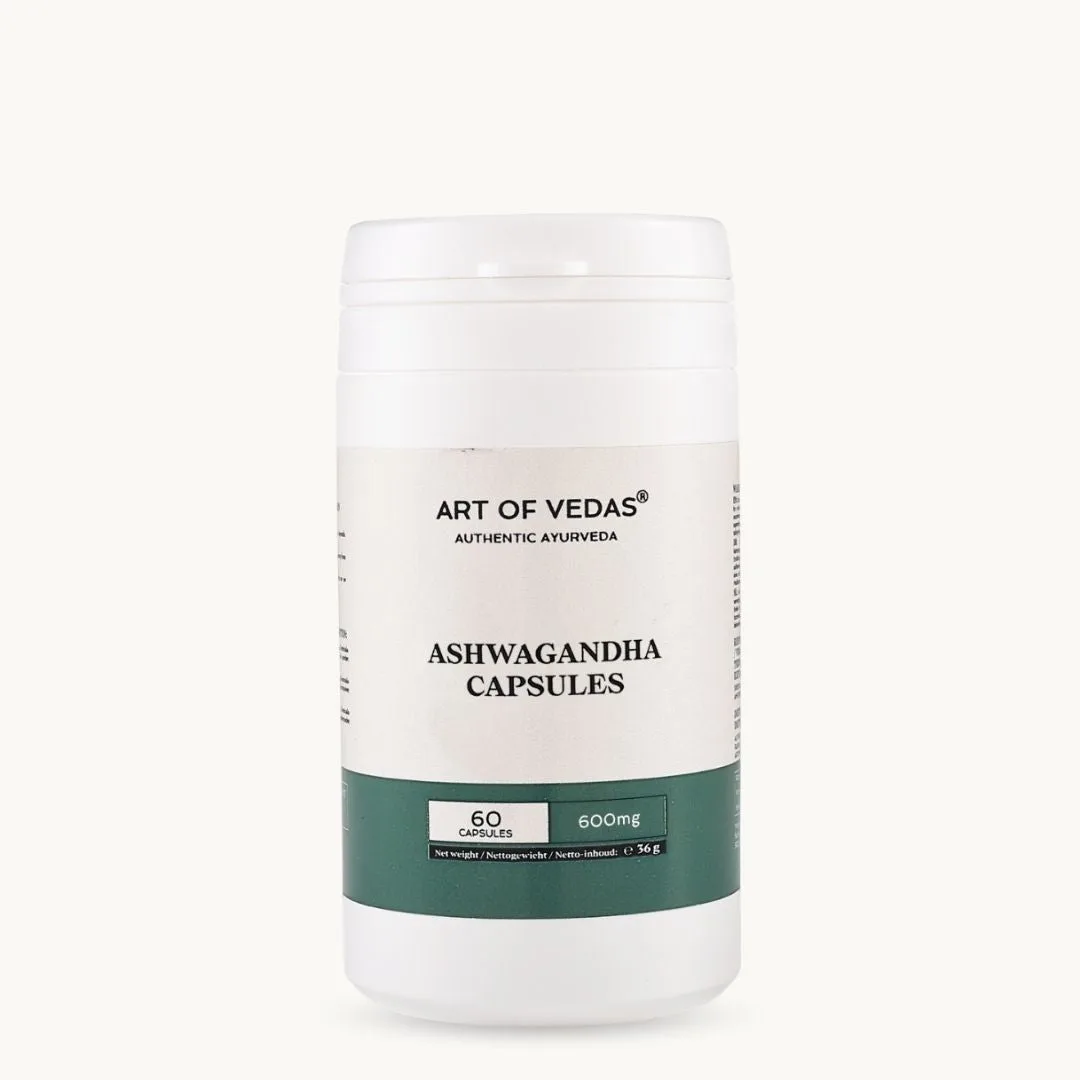
Chyavanprash daily through winter - the classical immune-supporting Rasayana becomes particularly valuable during the season of reduced sunlight and increased respiratory challenges. Ashwagandha continues its nervous system support through the long, dark months.
Maintain Routine and Movement
Dinacharya structure remains essential - consistent wake times, meal times, and sleep times. Winter permits slightly longer sleep than other seasons (classical texts specifically allow this), but rising should still precede sunrise to avoid the heavy Kapha period of early morning.
Moderate exercise - the strong Agni and dense food intake support more vigorous activity than summer allows, but avoid excessive exertion in extreme cold, particularly outdoors. Indoor practice (yoga, strength training) maintains circulation and prevents the stagnation that excess Kapha produces.
The Winter Balance
The art of winter Ritucharya is holding two priorities simultaneously: nourish deeply (to feed the strong Agni and build tissue reserves) while preventing excessive Kapha accumulation (which will produce spring heaviness). Warming spices, adequate exercise, and the stimulating practices of Dinacharya achieve this balance - they keep the channels open and circulating while the nourishing diet fills the tissue reserves.
For a winter programme calibrated to your specific constitution - particularly important for Kapha types who must navigate winter's nourishment without excess accumulation - an Ayurvedic consultation provides the personalised guidance that general principles cannot.
Classical Ayurvedic seasonal knowledge for educational purposes. Not medical advice.