This article is part of our Kashayams: Classical Ayurvedic Decoctions Guide guide series.
Kashayam - the concentrated herbal decoction - is the most direct and potent oral delivery system in classical Ayurvedic pharmacology. Where capsules and tablets offer convenience and Arishtams offer gentleness, Kashayams offer raw therapeutic power: a concentrated extraction of herbal compounds in water, reduced to one-quarter or one-eighth of its original volume, administered warm, and absorbed rapidly by a well-functioning Agni.
For practitioners and patients accustomed to modern supplement forms, Kashayams represent classical Ayurveda at its most uncompromising - bitter, potent, and remarkably effective when correctly prescribed.
How Kashayams Are Made
Classical Method
The preparation follows precise ratios specified in classical texts: one part coarsely ground herb material is combined with sixteen parts water. This is slowly reduced over low heat to one-quarter of its original volume (or one-eighth for more concentrated formulations). The resulting liquid is filtered and administered warm.
This slow reduction is not simply evaporation - it is a controlled extraction process where the sustained heat draws out progressively deeper phytochemical layers from the plant material. The water-soluble compounds extract first; as concentration increases, less soluble compounds are drawn out by the increasingly concentrated solution.
Modern Concentrated Forms
Classical fresh Kashayam has limited shelf life (typically 24 hours in warm climates). Modern Ayurvedic pharmacies produce concentrated liquid Kashayams (reduced and preserved with permitted agents) and Kashayam tablets (dehydrated concentrates). These provide convenience and shelf stability while preserving the essential character of the decoction - though purists and many practitioners maintain that fresh Kashayam remains superior.
Major Classical Formulations
Rasnasaptakam Kashayam: Seven-herb decoction centred on Rasna - the classical formulation for Vata-dominant musculoskeletal conditions. One of the most frequently prescribed Kashayams in clinical practice.
Dhanwantharam Kashayam: The decoction form of the Dhanwantharam formulation - broader Vata-Kapha action, traditionally valued for post-natal recovery, musculoskeletal support, and neurological nourishment.
Indukantham Kashayam: A digestive and Vata-pacifying decoction traditionally valued for conditions where weak Agni and Vata aggravation combine - poor appetite, bloating, and general Vata-type digestive disturbance.
Sukumaram Kashayam: Traditionally valued for gynaecological support and lower abdominal conditions - one of the important classical formulations for women's health.
Guluchyadi Kashayam: Centred on Guduchi (Tinospora cordifolia) - a classical Pitta-pacifying, fever-reducing, and immune-supporting formulation.
Gandharvahastadi Kashayam: A Vata-pacifying decoction traditionally used for constipation, bloating, and Vata-type digestive conditions affecting the lower GI tract.
Art of Vedas carries classical Kashayam preparations including Gulguluthikthakam Kashayam and Thiktakam Kashayam, carefully selected. For practitioners, Kashayam powders such as Erandamoola Kwath Choornam are also available for fresh decoction preparation.
Administration and Dosage
Classical dosage is typically 15-25ml of concentrated Kashayam, diluted with an equal quantity of warm water, taken on an empty stomach (usually 30 minutes before meals). The empty-stomach administration is deliberate - Kashayams require strong Agni to absorb effectively, and the absence of food allows maximum digestive fire concentration on the medicine.
The taste matters: Kashayams are typically bitter, astringent, or pungent - and classical texts explicitly state that the taste is part of the therapeutic action. The Rasa (taste) of the decoction initiates physiological responses before the herbs even reach the stomach. Masking or sweetening is generally discouraged.
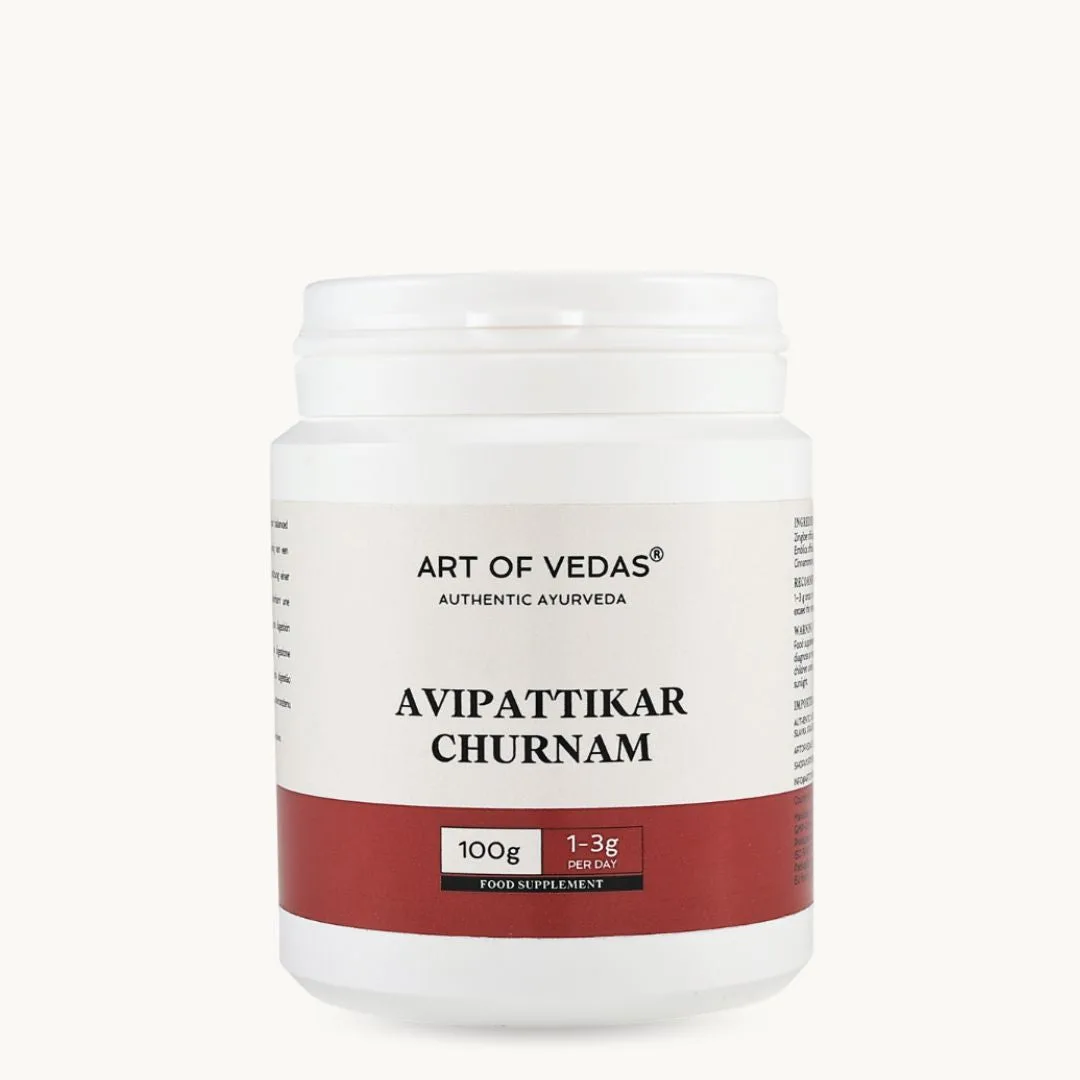
The Agni requirement: Kashayams demand adequate digestive fire. Patients with very weak Agni, heavy Ama (toxin accumulation), or compromised digestion may need Agni-strengthening treatment before Kashayams can be effectively absorbed. In such cases, Arishtams may be preferred as a gentler entry point - or digestive support with preparations like Avipattikar Choornam may be used first.
When Kashayams Are Preferred
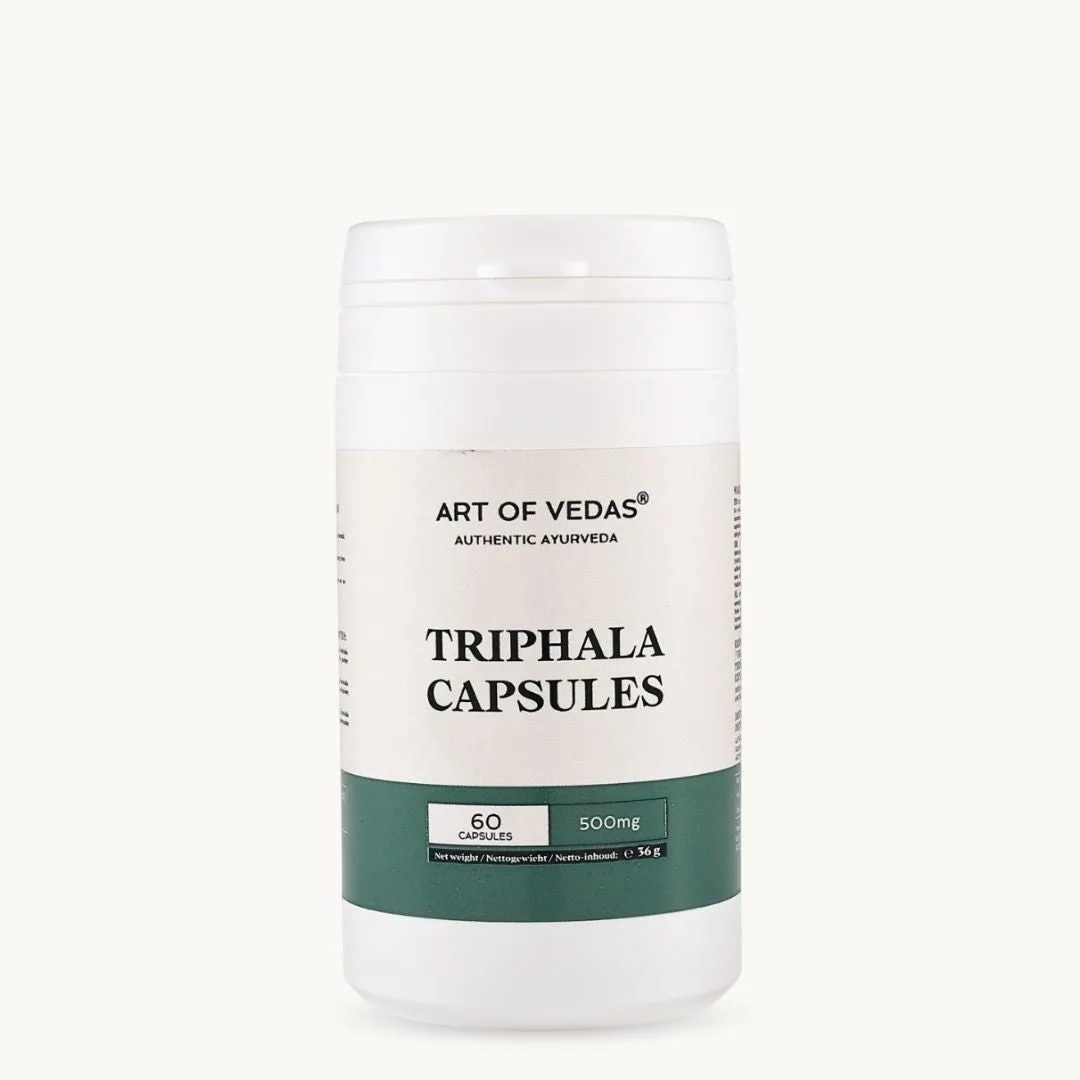
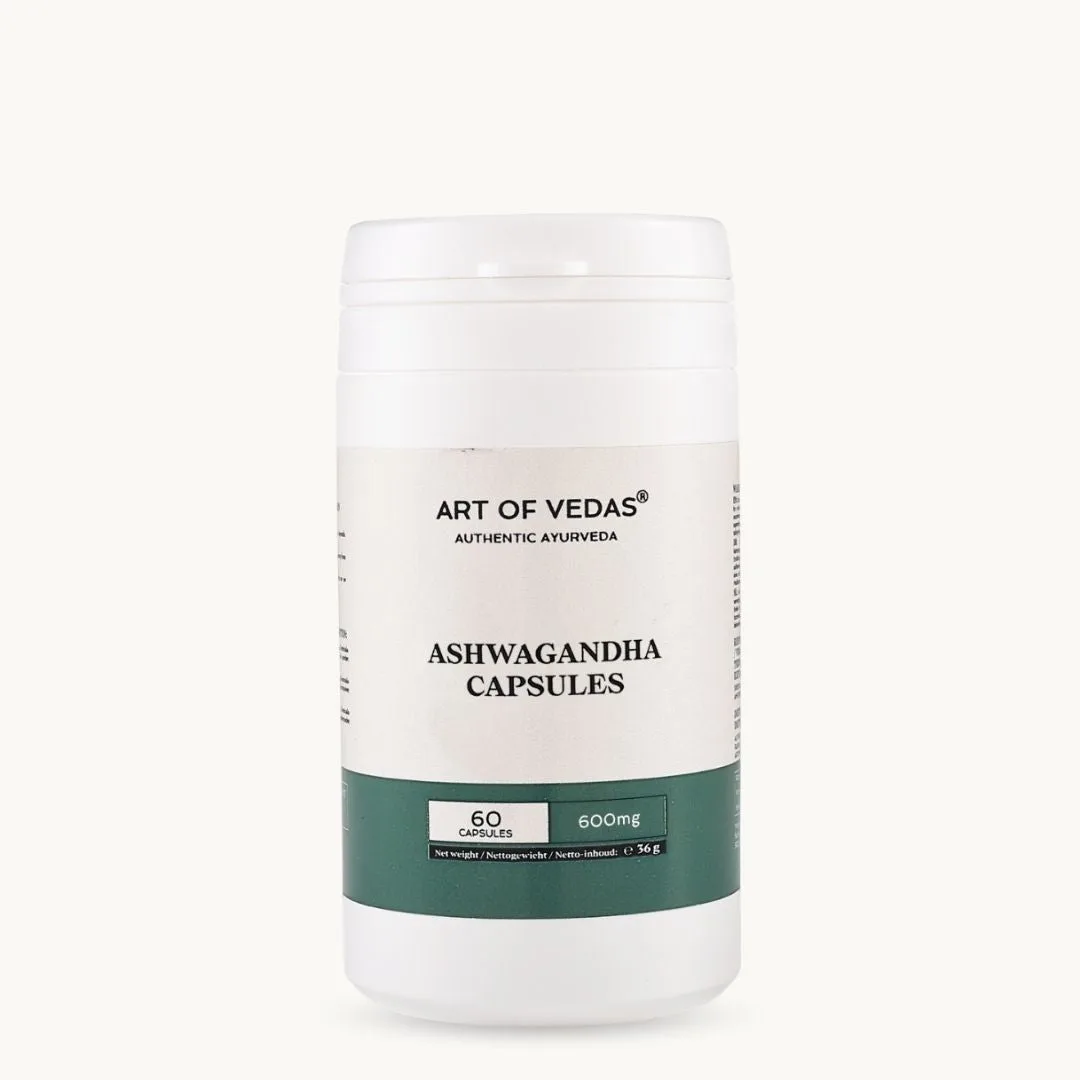
Kashayams are the classical choice when maximum therapeutic potency is needed, when the condition is acute or moderately severe, when the patient has strong Agni, and when the prescribing practitioner wants direct, fast-acting herbal intervention. For milder conditions, maintenance protocols, or patients with weaker digestion, Arishtams, tablets (such as Triphala Capsules or Ashwagandha Capsules), or Churnams may be more appropriate.
The choice between delivery forms is a clinical decision - an Ayurvedic consultation determines which form best matches your constitution, condition, and digestive capacity.
Classical Ayurvedic knowledge for educational purposes. Food supplement - not intended to diagnose, treat, cure, or prevent any disease.