Panchakarma is the most comprehensive therapeutic system in classical Ayurveda - a systematic programme of five cleansing and rejuvenating procedures described in detail in the Charaka Samhita, Ashtanga Hridayam, and Sushruta Samhita. The Sanskrit name means precisely what it says: Pancha (five) and Karma (actions or procedures). Unlike the everyday self-care practices of Dinacharya, Panchakarma is a clinical intervention - a structured programme conducted under the supervision of a trained Ayurvedic physician (Vaidya) using specific preparations, specific timing, and carefully selected classical procedures. For Ayurvedic practitioners, Panchakarma center operators, and spa professionals across Germany and Europe, understanding the classical Panchakarma framework is the foundation of all professional Ayurvedic clinical work.
The classical framework: Purvakarma and Pradhanakarma
The Charaka Samhita describes Panchakarma as the Shodhana (purification) branch of Ayurvedic treatment, in contrast to Shamana (palliative) treatment. The full classical Panchakarma programme is structured in two major phases:
Purvakarma: preparatory treatments
Before any of the five main procedures can be applied, the classical texts require a preparatory phase (Purvakarma) designed to loosen accumulated Doshas from the tissues and move them back into the digestive tract where they can be expelled. Purvakarma consists of two principal treatments:
-
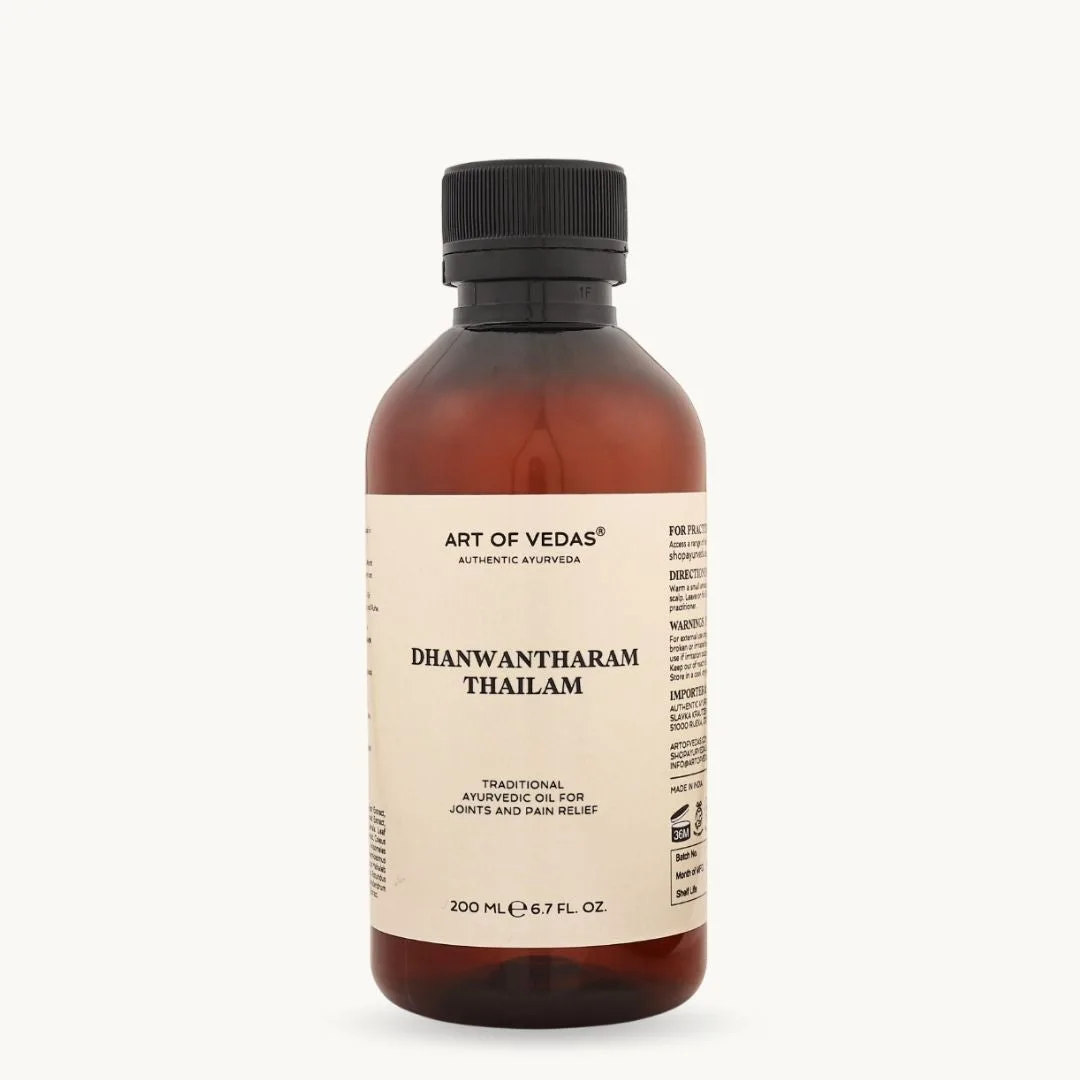
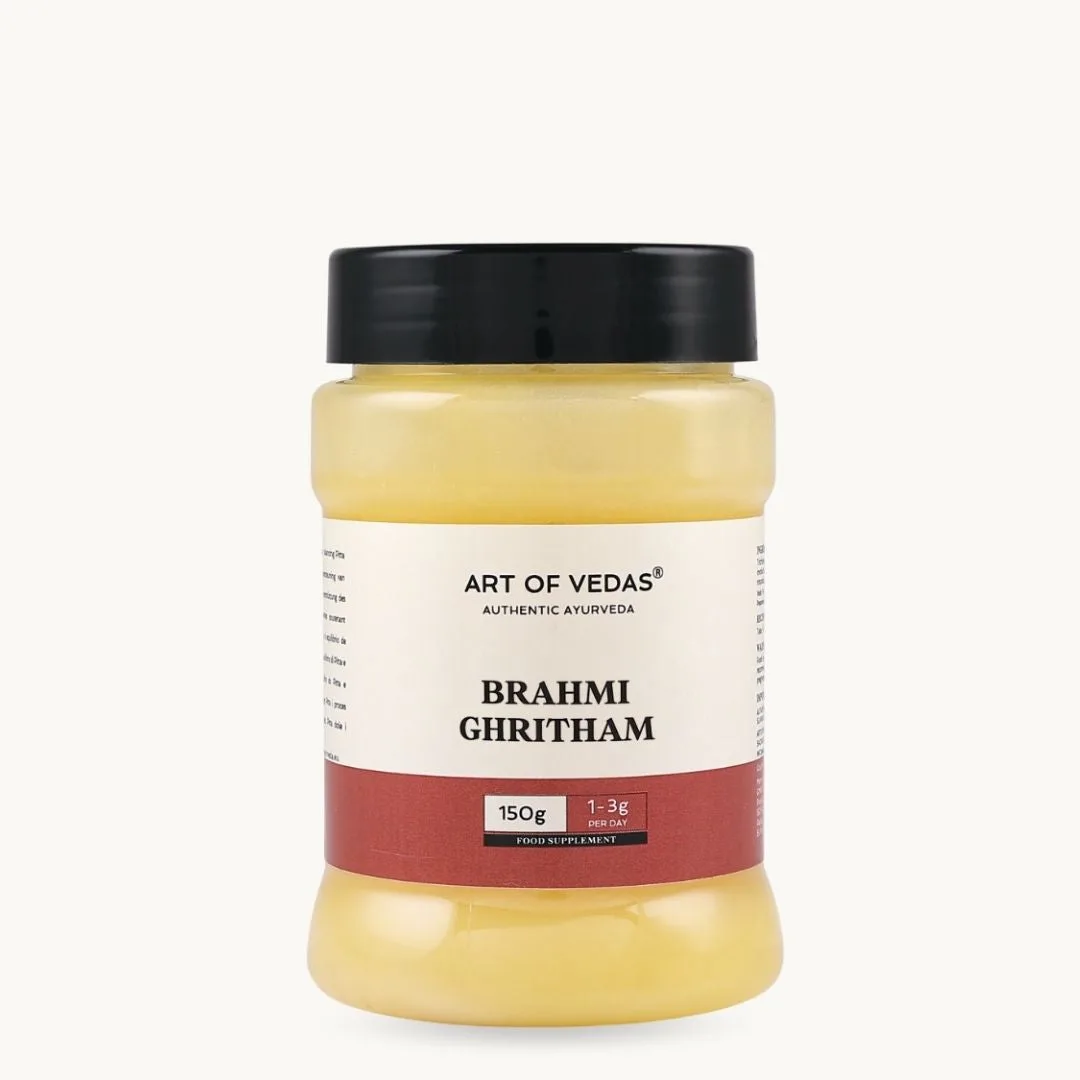
Snehana (oleation therapy): Internal and external application of medicated oils and ghee (Ghritham) to saturate the tissues and loosen accumulated Doshas. Internal Snehana involves taking increasing doses of medicated ghee (such as Brahmi Ghritham or other classical Ghrithams) over 3 to 7 days. External Snehana is Abhyanga - full-body warm oil massage with classical Thailams specific to the patient's condition.
-
Svedana (fomentation or sweating therapy): Applied after Snehana to further mobilise loosened Doshas through heat. Classical Svedana methods include Nadi Svedana (steam applied via tube), Pinda Svedana (heat applied via bolus poultice, also known as Kizhi), and Parisheka (pouring warm decoction or oil over the body, the basis of Pizhichil therapy).
Only once adequate Snehana and Svedana have been completed are the main Panchakarma procedures applied. Attempting the Pradhanakarma without adequate preparation is described in classical texts as producing incomplete results and potential harm.
Pradhanakarma: the five main procedures
The five classical Panchakarma procedures, each targeting specific Doshas and pathways of elimination:
1. Vamana: therapeutic emesis
Vamana (Sanskrit: vomiting) is the classical cleansing procedure for excess Kapha in the upper body - particularly in the lungs, stomach, and chest region. Described in the Charaka Samhita as the primary treatment for Kapha disorders, Vamana involves ingesting specific emetic preparations after thorough Snehana and Svedana preparation. Vamana is most indicated in spring (the classical Kapha season) and is not appropriate for all patients. Classical contraindications are extensive - Vamana requires careful patient selection by a qualified Vaidya.
2. Virechana: therapeutic purgation
Virechana is the classical cleansing procedure for excess Pitta - targeting the liver, gallbladder, small intestine, and blood. It is described in classical texts as the primary Shodhana procedure for Pitta conditions, performed in autumn (the classical Pitta season). Specific purgative preparations (Virechana Dravyas) are administered after complete Snehana and Svedana. Virechana is among the most commonly performed Panchakarma procedures in clinical Ayurvedic practice and is considered one of the most accessible of the five for appropriate candidates.
3. Basti: medicated enema therapy
Basti is described in the Charaka Samhita as the most important of the five Panchakarma procedures - called the "half of all medicine" (Ardha Chikitsa) in the classical texts. Basti targets Vata Dosha directly through the colon, which is the primary seat of Vata in classical Ayurvedic anatomy. Two types of Basti are described: Anuvasana Basti (oil enema, using medicated Thailam or Sesame oil) and Nirooha Basti (decoction enema, using herbal decoctions combined with honey, salt, oil, and specific pastes). Basti is also used in local forms for musculoskeletal and joint conditions: Kati Basti (retention of warm oil in the lower back), Hrid Basti (retention over the chest), Netra Basti (eye), Shiro Basti (head), and Nabhi Basti (navel). See our detailed Basti guide for the full clinical overview.
4. Nasya: nasal administration of medicines
Nasya is the nasal route of drug administration - described in the Ashtanga Hridayam as the principal method for treating conditions of the head, sense organs, neck, and the subtle channels of the cranial region. The nose is described as the gateway to the head (Shirasodwaram), through which treatments can reach the brain and the Prana channels of the upper body. Several types of Nasya are described for different purposes, from the gentle daily Pratimarsha Nasya (2 drops of oil per nostril, appropriate for home practice) to therapeutic Marsha Nasya and the more intensive Shodhana Nasya used in clinical Panchakarma. Classical preparations include Anu Thailam, the most celebrated classical Nasya preparation. See our detailed Nasya guide and our Nasya Oil (Anu Thailam).
5. Raktamokshana: therapeutic bloodletting
Raktamokshana is the fifth classical Panchakarma procedure - therapeutic removal of small quantities of blood, described in classical texts for conditions where vitiated Pitta in the blood (Rakta Dhatu) is the primary pathogenic factor. Classical methods include Jalauka (leech therapy) and Siravedha (venesection). Raktamokshana is the least commonly performed of the five procedures in contemporary European Ayurvedic clinical practice, and requires specific licensing and medical supervision in most European countries.
Shirodhara: the classical head oil stream therapy
While not one of the five core Panchakarma procedures per se, Shirodhara is one of the most celebrated classical Ayurvedic therapies and is an essential part of most clinical Panchakarma programmes. A continuous stream of warm medicated oil is poured from a brass vessel (Dhara Patra) onto the forehead in a specific rhythmic pattern. The classical texts describe Shirodhara as profoundly calming for Vata in the head, supporting the quality of sleep and mental clarity, and as an essential component in classical treatment programmes for mental, neurological, and psychosomatic conditions. See our detailed Shirodhara guide.
Paschatkarma: post-treatment care
Classical Panchakarma is not complete with the Pradhanakarma procedures alone. The Charaka Samhita describes a careful post-treatment phase (Paschatkarma) of graded dietary re-introduction (Samsarjana Krama), lifestyle management, and if indicated, the Rasayana phase. The Rasayana phase - introducing classical Rasayana preparations such as Ashwagandha, Shatavari, Brahmi, and Amalaki after successful Shodhana - is described as the most powerful time for classical Rasayana therapy, as the channels have been cleared by the Panchakarma procedures and the Rasayana herbs can penetrate more deeply.
Oils and preparations used in professional Panchakarma
Professional Panchakarma practice requires classical oils, Ghrithams, Kuzhambu preparations, and equipment of consistent clinical quality. Art of Vedas supplies Ayurvedic practitioners, Panchakarma centers, and spas across Europe with the full range of classical preparations required for professional Panchakarma work:
-
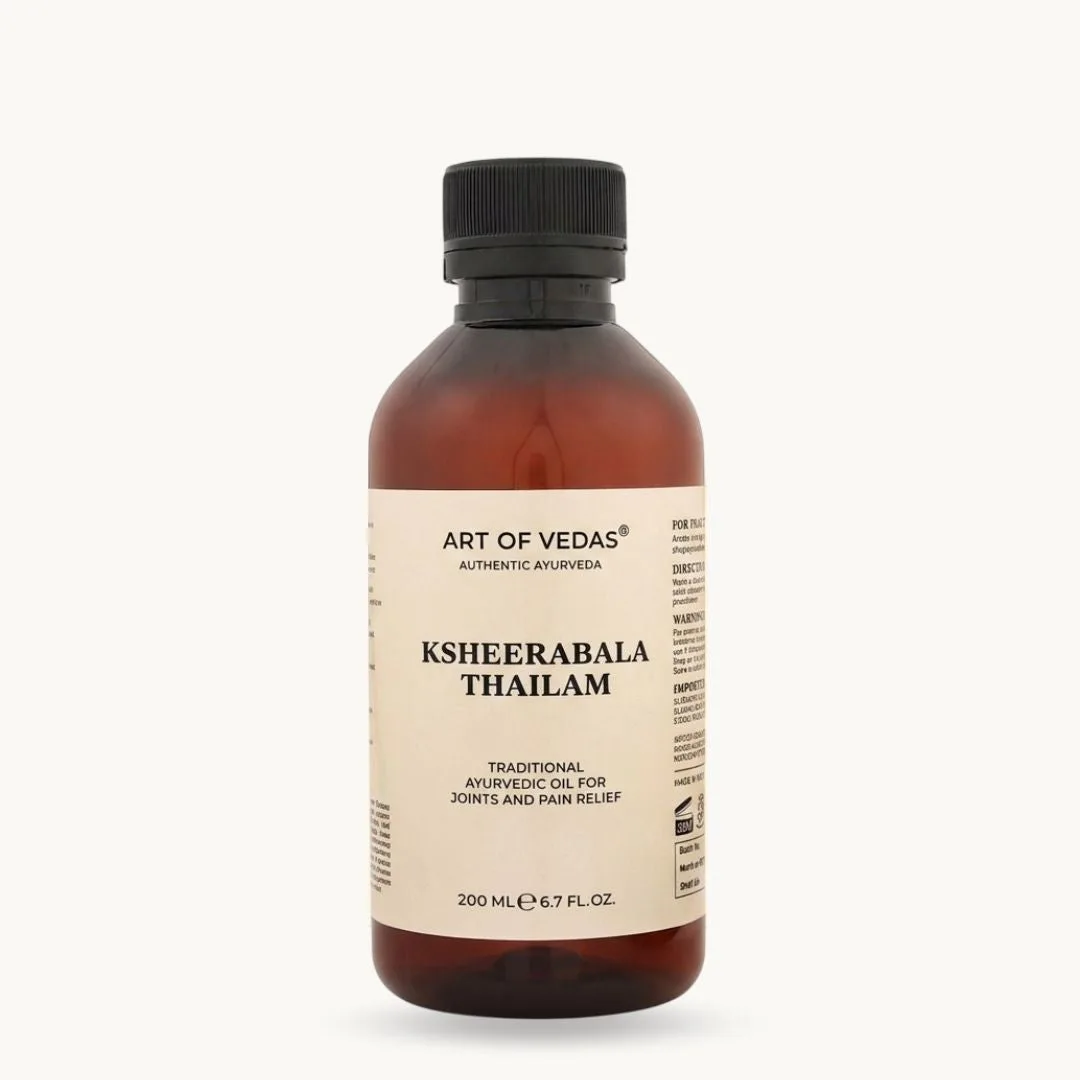
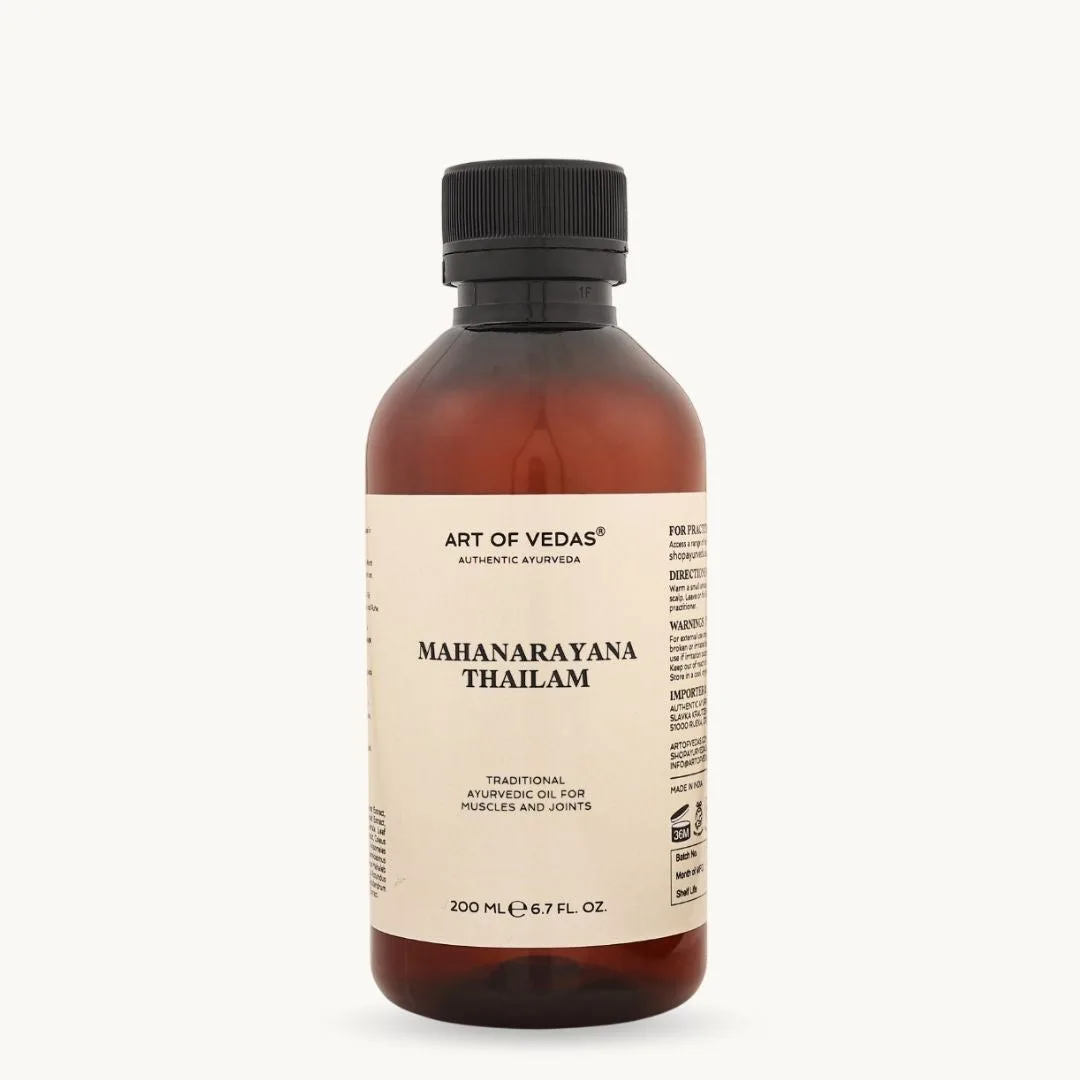
Abhyanga Snehana oils: Dhanwantharam Thailam, Mahanarayana Thailam, Ksheerabala Thailam, Sahacharadi Thailam
-
Kuzhambu preparations for targeted Snehana: Dhanwantharam Kuzhambu, Prabhanjanam Kuzhambu, Sahacharadi Kuzhambu, Kottamchukkadi Kuzhambu and the complete Kuzhambu range
-
Internal Snehana and Rasayana ghee: Brahmi Ghritham
-
Nasya preparations: Anu Thailam, Brass Nasya Vessel (large), Brass Nasya Vessel (small)
-
Rasayana herbs for post-Panchakarma phase: Ashwagandha, Shatavari, Brahmi, Amalaki
For professional bulk orders and wholesale supply to Panchakarma centers and clinics across Europe, visit our dedicated B2B platform at shopayurveda.eu. See also our practitioner supplies guide.
Panchakarma in Europe: what to expect in a professional programme
Classical Panchakarma as described in the Charaka Samhita is a full residential programme of 21 to 28 days minimum. In European clinical Ayurvedic practice, shorter intensive programmes of 7 to 14 days are more common, combining adapted Purvakarma and selected Pradhanakarma procedures. The quality of a Panchakarma programme depends on the quality of the supervising physician's classical training, the quality of the oils and preparations used, and the strictness of the dietary and lifestyle protocol during the programme. For a complete overview of the Ayurvedic treatment system, see our Ayurvedic treatments guide and the Ayurvedic consultation guide.
This guide is for educational purposes. Panchakarma is a clinical Ayurvedic programme that must be conducted under the supervision of a qualified Ayurvedic physician. Art of Vedas products support professional Panchakarma practice and are not a substitute for qualified medical supervision.