This article is part of our Complete Guide to Panchakarma guide series.
What Is Pizhichil?
Pizhichil is a classical Ayurvedic treatment in which warm medicated oil is continuously poured over the entire body while two or more therapists simultaneously perform rhythmic massage strokes. The name derives from the Malayalam word meaning "to squeeze," referring to the action of squeezing oil from cloth held above the body.
Known in Sanskrit texts as Sarvanga Dhara (full-body oil stream) or Kaya Seka (body pouring), Pizhichil is classified among the most intensive oil-based external therapies in the Ayurvedic tradition. It is sometimes called the "royal treatment" tradition because of the quantity of oil used and the number of therapists required.
Pizhichil combines two fundamental Ayurvedic principles: Snehana (oleation) and Swedana (sudation). The warm oil provides deep oleation while its sustained temperature generates a gentle sudation effect. This dual action makes Pizhichil one of the most comprehensive single external therapies available in practice.
Classical Textual Basis
The Ashtanga Hridayam and the classical Ayurvedic tradition (Ashtavaidya lineage) provide the primary classical references for Pizhichil. While the treatment concept of oil pouring appears across multiple classical texts, the specific systematised Pizhichil protocol is most fully developed in the classical Panchakarma tradition.
Charaka describes Sarvanga Sneha (full-body oleation) as a preparatory procedure within Panchakarma. Vagbhata elaborates on the technique with specific guidelines regarding oil temperature, pouring height, and treatment duration. The classical tradition refined these instructions into the standardised Pizhichil protocol practised today.
Medicated Oils for Pizhichil
The selection of medicated oil is the most consequential decision in Pizhichil. Different oils carry different traditional properties, and the oil choice must align with the client's constitution.
Commonly Used Thailams
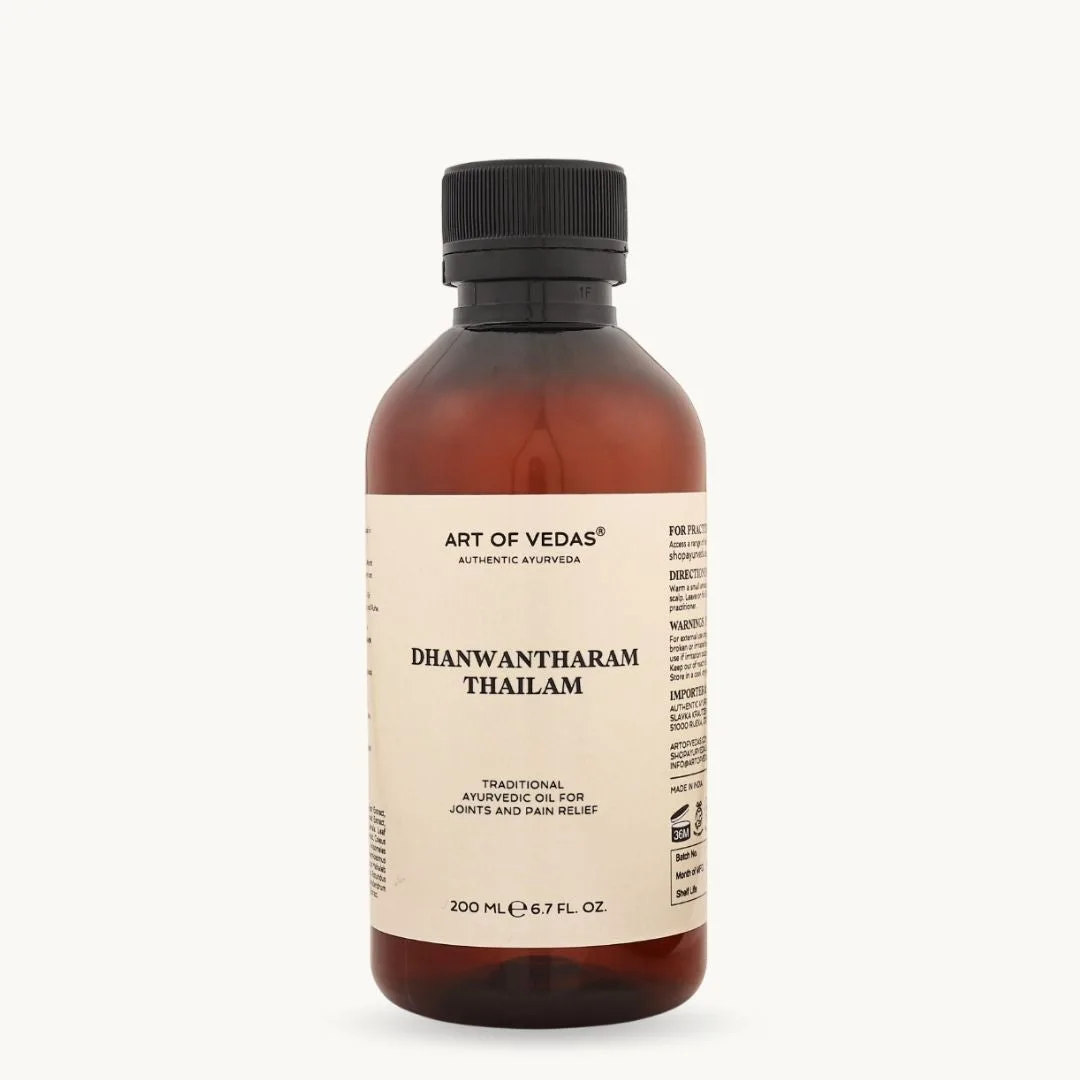
- Dhanwantharam Thailam: one of the most frequently selected oils for Pizhichil, traditionally valued for its balancing effect on Vata Dosha and its support of comfortable joint and muscle function
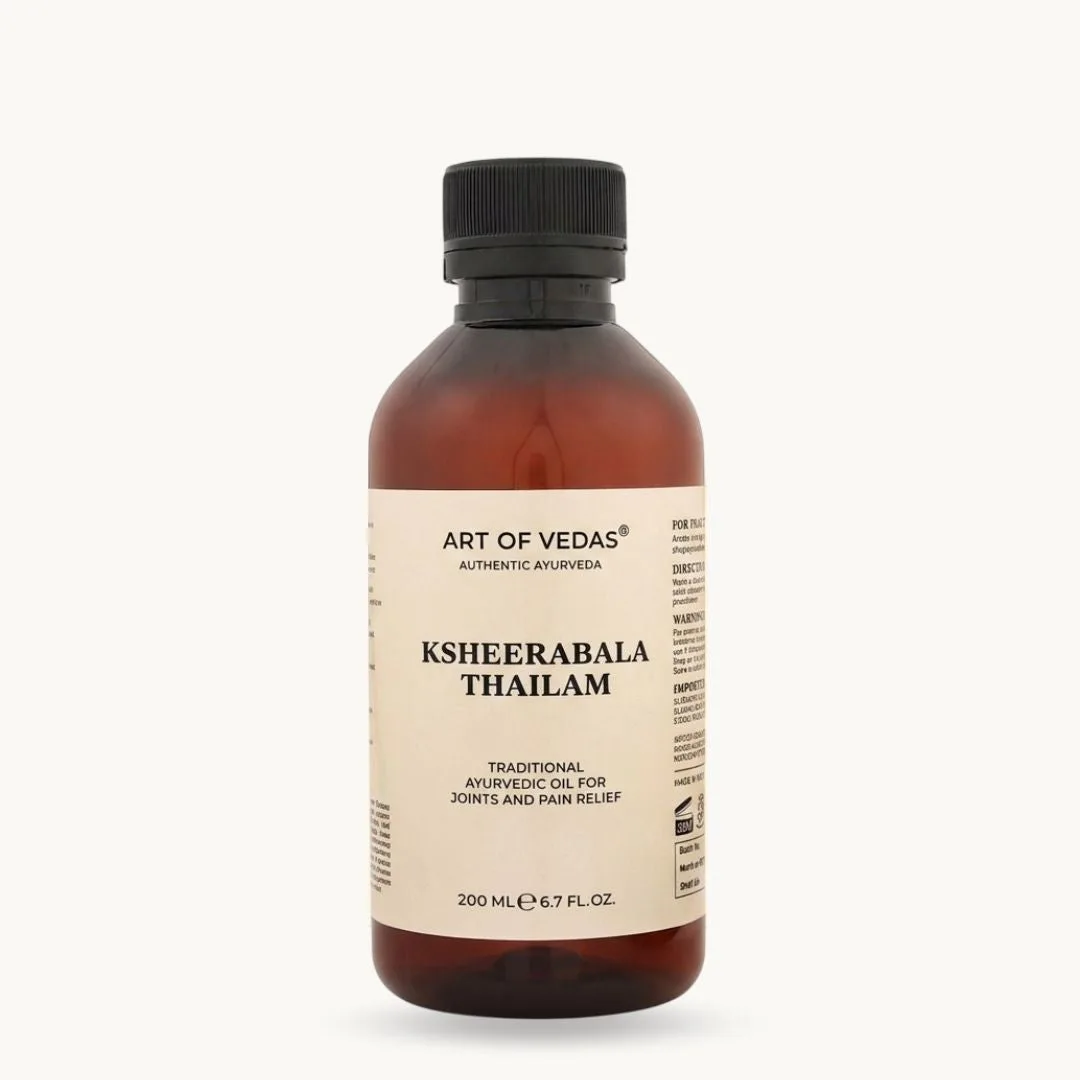
- Ksheerabala Thailam: a milk-based medicated oil traditionally used when a cooling, nourishing quality is desired; appropriate for Pitta-Vata presentations
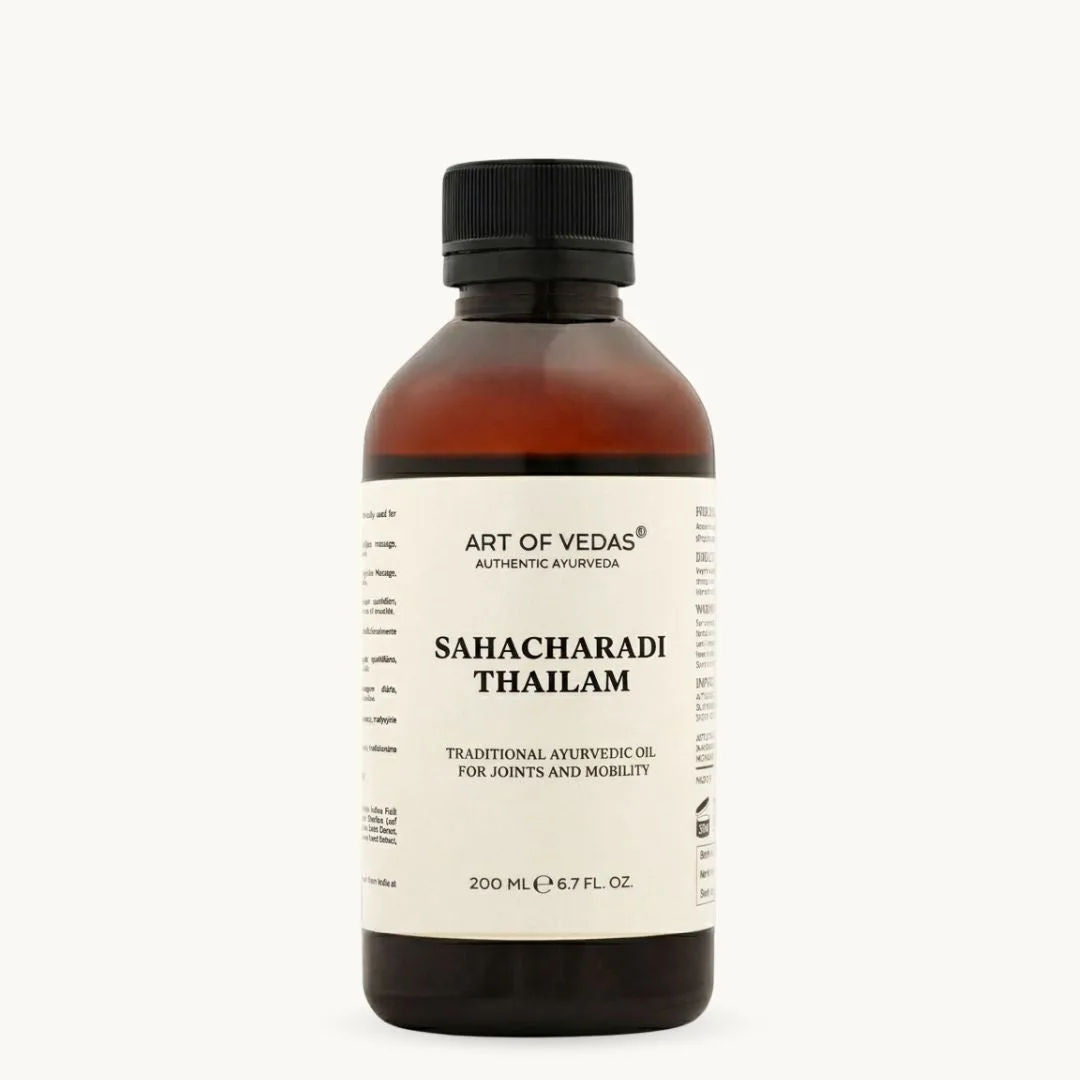
- Sahacharadi Thailam: traditionally selected when Vata balance is the primary consideration, particularly in the lower body
- Balashwagandhadi Thailam: a strengthening oil combining Bala and Ashwagandha, traditionally used to support tissue vitality
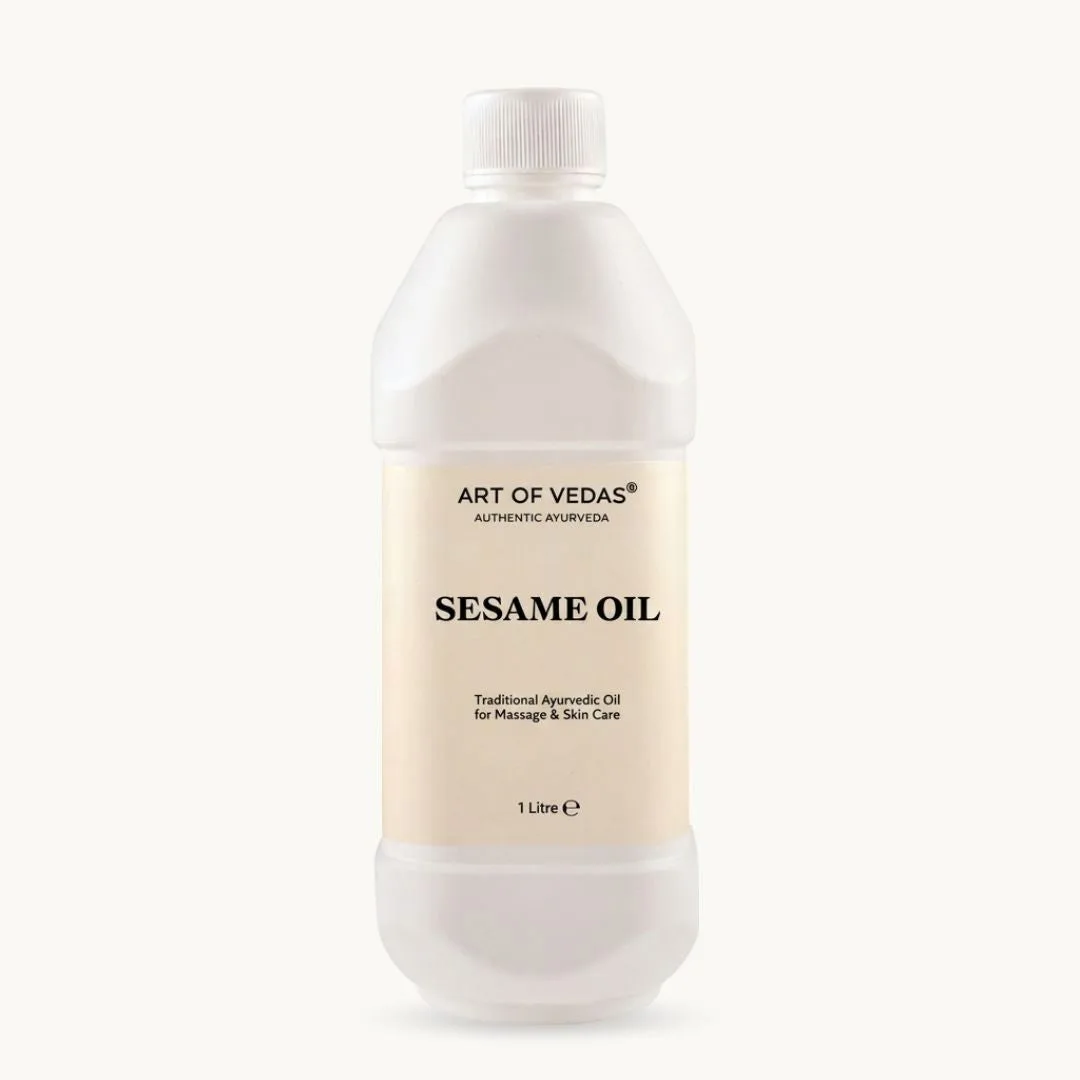
- Plain sesame oil (Tila Thailam): used as a base when a simpler, constitution-neutral treatment is indicated
Oil quantity is substantial: a full Pizhichil session requires 3 to 5 litres of medicated oil. The oil is continuously recycled during the treatment, collected from the table's drainage channel, rewarmed, and poured again.
Oil Temperature
The oil must be maintained at a consistent temperature throughout the session: approximately 38-42 degrees Celsius. Temperature fluctuation is one of the most common technical failures in Pizhichil. A dedicated assistant managing oil temperature is essential for maintaining treatment quality.
Treatment Protocol
Personnel and Setup
Pizhichil is a team treatment. The minimum requirement is two therapists plus one assistant managing the oil. Classical practice specifies four therapists for a full-body treatment: two on each side of the table, working in synchronised pairs. In European settings, two therapists plus an oil manager is the practical standard.
- Treatment table: a traditional Droni (carved wooden trough table) is ideal, as it captures and channels the oil for recirculation; a standard table with oil-collection trays is an alternative
- Oil warming system: a double-boiler arrangement or thermostatically controlled oil warmer maintains consistent temperature
- Oil quantity: 3-5 litres per session
- Cloth strips: used to squeeze and pour oil over the body in a controlled stream
- Room temperature: 26-28 degrees Celsius (warmer than for dry treatments, to complement the oil's warmth)
- Session duration: 60-90 minutes of active treatment
Pre-Treatment
A brief head oil application (Shiro Abhyanga) precedes the main treatment. This calms the client and begins the oleation process from the crown. The client lies supine on the treatment table.
The Pizhichil Procedure
- Initial oil application: warm medicated oil is gently applied over the entire body by hand to create a base layer.
- Begin the pouring: therapists dip cloth strips into the warmed oil vessel and hold them at a height of approximately 12-15 cm above the body. They squeeze the cloth, releasing a continuous, controlled stream of oil onto the skin.
- Simultaneous massage: while one hand pours, the other hand (or a second therapist) performs long, flowing massage strokes in the direction of hair growth. The strokes are smooth and rhythmic, not deep-tissue.
- Systematic coverage: treatment proceeds from the extremities toward the centre of the body. Both sides are worked simultaneously by the paired therapists.
- Position changes: the client transitions through seven classical positions: seated, supine, right lateral, supine, left lateral, supine, and seated. Each position receives 8-12 minutes of treatment.
- Oil recirculation: oil collected from the table drainage is strained, rewarmed, and returned to the pouring vessels. The assistant manages this cycle continuously.
- Maintain rhythm and temperature: the defining skill of Pizhichil is the unbroken, synchronised rhythm of pouring and stroking. Any pause or temperature drop diminishes the quality of the experience.
Post-Treatment
After the final seated position, allow the client to rest on the table for 10-15 minutes with oil still on the skin. A gentle wipe with warm towels removes excess oil before the client showers. A warm herbal bath is traditional where facilities permit.
Post-treatment recommendations: rest for at least one hour, consume warm and light food, avoid cold exposure, wind, and strenuous activity for the remainder of the day.
Traditional Positioning of Pizhichil
Pizhichil is traditionally associated with supporting comfortable movement, a sense of nourishment and warmth in the tissues, and deep relaxation. It is considered among the most nourishing (Brimhana) external therapies in the Ayurvedic system.
Within a Panchakarma programme, Pizhichil serves as an intensive Purvakarma (preparatory) treatment. Its deep oleation effect prepares tissues for the main Panchakarma procedures. A course of 7 to 14 consecutive days of Pizhichil is standard within a full Panchakarma protocol.
Complementary Treatments
Pizhichil pairs naturally with other classical therapies:
- Followed by Njavara Kizhi for a combined oleation-nourishment protocol
- Preceded by Udvartana (dry powder massage) when a stimulating-then-nourishing sequence is indicated
- Combined with Shirodhara on the same day (Pizhichil first, then Shirodhara) for a comprehensive Vata-balancing programme
Practical Considerations for European Clinics
Investment and Infrastructure
Pizhichil is the most resource-intensive external therapy in Ayurvedic practice. Before adding it to a treatment menu, practitioners should assess:
- Oil cost: 3-5 litres per session of quality medicated Thailam represents a significant material cost; pricing must reflect this
- Staffing: minimum two trained therapists per session, plus an oil assistant; this affects scheduling and labour costs
- Equipment: a Droni table or equivalent oil-capture system, warming equipment, and adequate drainage and cleaning facilities
- Training: all participating therapists must be trained in synchronised Pizhichil technique; the coordination requirement is higher than for any other Ayurvedic external treatment
- Oil management: used oil from a single client may be strained and stored for that same client's subsequent sessions within a treatment course (never mixed between clients); proper labelling and storage protocols are essential
Regulatory Notes
Medicated oils used in Pizhichil must comply with EU cosmetic product regulations if applied topically. Ensure your Dhanwantharam Thailam and other Thailams carry appropriate EU compliance documentation. Art of Vedas supplies professional-grade medicated oils with full EU documentation for clinical use.
Pizhichil Perspective
Pizhichil represents the Ayurvedic tradition at its most elaborate. It demands skill, coordination, quality materials, and clinical judgement. For practitioners who can deliver it properly, it fills a unique position in the treatment repertoire: no other single therapy provides the same depth of simultaneous oleation, warmth, and manual therapy.
The treatment is not suited to every clinic or every practitioner. It requires genuine investment in training, equipment, and materials. But for those who commit to offering it at a clinical standard, Pizhichil becomes a defining feature of a serious Ayurvedic practice.
Contraindications
Classical texts and clinical prudence identify the following situations where Pizhichil should not be performed:
- Acute fever or active infection: the intense oleation and warmth are unsuitable in these situations
- Severe Kapha aggravation with congestion: heavy oil therapy increases Kapha; lighter treatments like Udvartana are more appropriate
- Acute skin conditions: open wounds, weeping skin, or widespread inflammation in the treatment area
- Pregnancy: the intensive nature and prone positioning make Pizhichil inappropriate during pregnancy
- Immediately after meals: classical texts require an empty stomach or a gap of at least two hours after eating
- Extreme debility: while Pizhichil is nourishing, severely weakened clients may not tolerate the full treatment duration and temperature
Allergic reactions to medicated oils, while uncommon, should be screened for before the first session. Apply a small amount of the chosen Thailam to the client's inner forearm 24 hours before the scheduled treatment to check for sensitivity.
Client Communication and Course Planning
Pizhichil is an unfamiliar treatment for most European clients. Before the first session, explain the procedure clearly: the continuous oil pouring, the team of therapists, the position changes, and the warm, enveloping sensation. Clients who understand what to expect relax more quickly and enjoy the treatment more fully.
Pricing for Pizhichil should reflect its true cost: oil consumption, multiple therapists, extended session time, and cleanup. Underpricing this treatment to compete with standard massage services is unsustainable and undervalues the clinical skill involved. Transparent communication about why Pizhichil costs more than a single-therapist oil massage helps clients appreciate the investment.
A typical treatment course runs 7 to 14 days. For clients who cannot commit to consecutive daily sessions, a modified schedule of three to four sessions per week over two to three weeks is a practical alternative. Single sessions offer relaxation but do not deliver the cumulative experience that classical texts describe.